What the 4-H ATV Safety Course Teaches
A 4-H ATV safety course can help a young rider understand the machine before riding becomes routine. But parents often want to know what the course actually covers, whether there is hands-on practice, and what a completion certificate means. Course details can vary by location and instructor, so it helps to know the core skills to look for and what the training does not replace.
The safety basics riders are taught
A good ATV safety course starts with a simple idea: safe riding depends on the rider, the machine, and the conditions. Riders learn that an ATV is not a toy or a small car. It has limits, handles differently from a bicycle or road vehicle, and can become unstable if the rider’s body position or speed does not match the terrain.
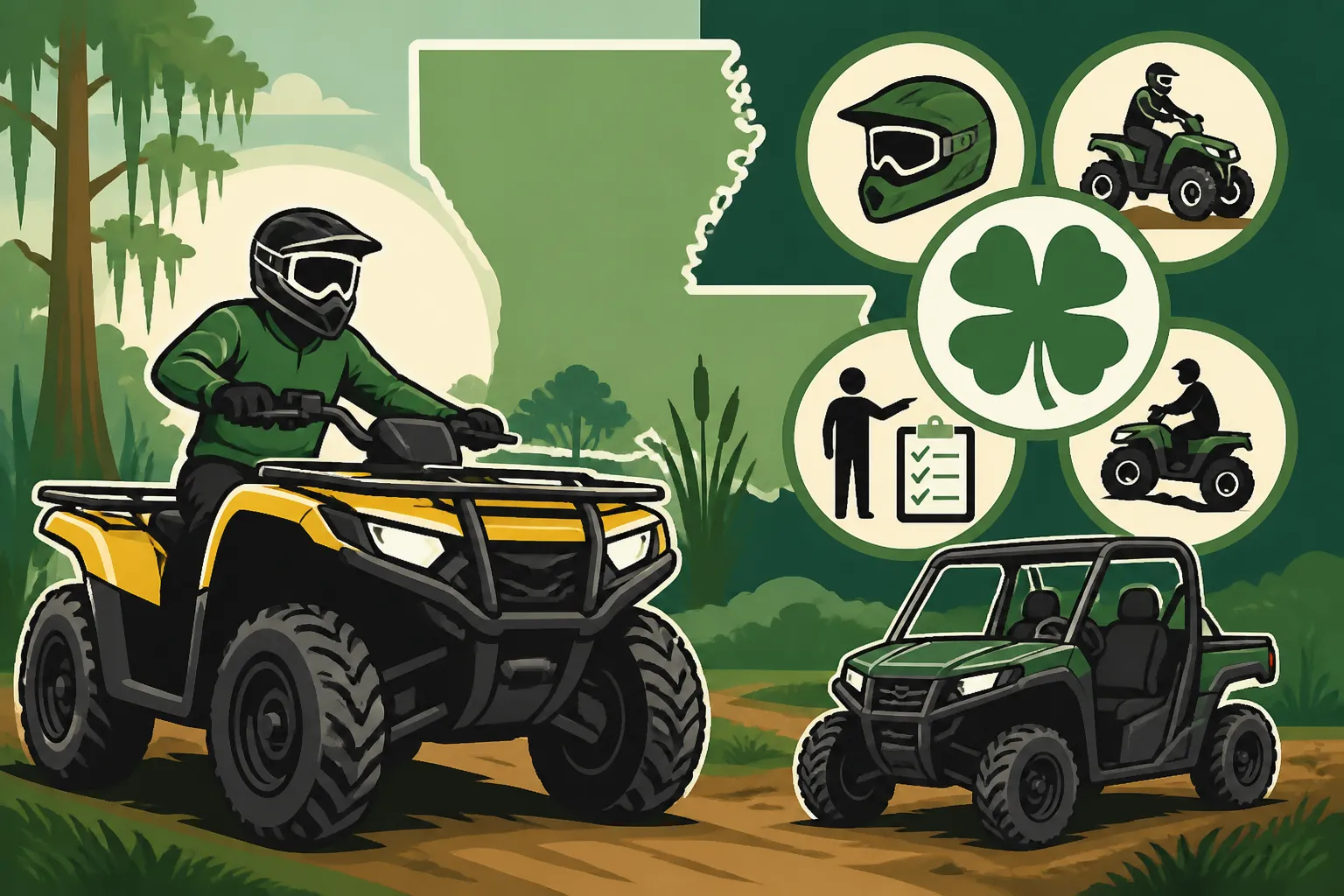
The precise lesson plan can differ between 4-H programs. Ask the local organizer which topics and practice activities are included, rather than assuming every class follows the same format. In general, useful training covers several basic areas:
| Topic | What a rider should learn |
|---|---|
| Machine fit | Why the ATV should be an appropriate size and power for the rider |
| Protective gear | How helmets, eye protection, gloves, and sturdy footwear reduce risk |
| Pre-ride checks | How to look for visible damage, controls that do not work, and other problems |
| Rider position | How posture and weight shifts affect balance and control |
| Basic maneuvers | How to start, stop, turn, and respond to changing ground |
| Terrain awareness | How to recognize hazards and decide when not to ride |
| Rules and judgment | Why riders need permission, supervision when appropriate, and clear boundaries |
Choosing a machine that fits
An ATV that is too large or powerful can be difficult for a young rider to control, even if the rider can reach the seat and handlebars. Lessons about machine fit should make clear that age alone does not determine whether an ATV is suitable. A rider also needs the strength, coordination, attention, and experience to operate that particular machine.
Parents can use the course as a prompt to reassess the ATV at home. Can the rider reach and use the controls comfortably? Can they steer and stop without help? Do they understand how the machine responds when the ground changes? If the answer is uncertain, a smaller or less powerful machine—or more practice under supervision—may be the safer choice. For related state requirements, see Louisiana ATV Age Requirements and How Old Does a Louisiana Rider Have to Be?.
Protective equipment
Safety instruction should explain what to wear and why. A properly fitted, purpose-built helmet is central to reducing the risk of head injury. Eye protection helps keep dust, insects, and debris out of the rider’s eyes. Gloves and sturdy over-the-ankle footwear can improve grip and help protect hands and feet. Long sleeves and long pants provide additional coverage.
Fit matters. A helmet that shifts, obstructs vision, or does not fasten correctly is not a good fit for that rider. If you shop online, including through Amazon, check that the item is designed for the activity, fits the rider, and meets the applicable safety standard; a product photo or low price is not enough to establish that. A course can teach protective habits, but it cannot make a poorly fitting helmet effective. Louisiana-specific helmet information is covered in Louisiana ATV Helmet Rules.
Pre-ride inspection and safe habits
Before a ride, the operator should look over the ATV and check that its essential parts appear to be working. Training may include checking the tires, brakes, throttle, controls, lights where relevant, and visible signs of damage or leaks. The aim is not to turn a young rider into a mechanic. It is to teach them to notice a problem, tell an adult, and avoid riding a machine that may not be safe.
Riders should also learn basic habits that prevent avoidable trouble: follow the manufacturer’s instructions, ride within their abilities, keep a safe distance from other machines, and stop when they are tired or conditions become harder to manage. If a rider cannot explain how to stop safely or what to do when something feels wrong, more instruction is needed before independent riding.
How hands-on practice builds control
A safety class may combine instruction with demonstrations or supervised practice, but the format and amount of practice depend on the local program. Ask before enrolling whether riders will use an ATV, what size machines are available, what protective equipment is required, and whether students need to bring their own machine. A classroom session can explain good technique; supervised practice is where a rider can work on applying it.
Starting, stopping, and turning
Basic control practice should give the rider time to become familiar with the machine’s controls and response. Riders need to learn how to start and stop deliberately, use the brakes appropriately, and turn without making abrupt movements. Instructors may emphasize smooth control rather than speed: sudden acceleration, braking, or steering can upset balance, especially on uneven ground.
Turning is not just a matter of twisting the handlebars. Riders need to understand how body position and speed affect stability, and why the right approach can change with the surface and slope. Practice should be slow and controlled, with enough room to stop if the rider feels unsure.
Reading terrain and avoiding hazards
A course should help riders look ahead instead of focusing only on the ground directly in front of the machine. Ruts, holes, loose surfaces, water, steep slopes, branches, and other riders can all affect a safe route. Riders should be encouraged to slow down, assess the path, and turn back when they cannot judge whether an obstacle is safe.
This judgment is one of the most valuable lessons a new rider can take away. Riding around a difficult obstacle is often better than trying to prove it can be crossed. Mud and standing water can hide holes or other hazards, and a familiar path can change after rain. Additional preparation for changing trail conditions is covered in Reading a Mud Hole Before You Ride Into It and Louisiana Trail Conditions After Rain.
Practicing within a controlled area
When hands-on instruction is offered, it should take place in a supervised area suited to the students and equipment. The instructor should explain the exercise before riders begin and make clear where they can travel, how they should space themselves, and when to stop. Ask how the program handles riders who are nervous or need extra time. A responsible class should not pressure a student to attempt a maneuver beyond their comfort or ability.
Parents can reinforce the lesson afterward without turning every ride into a test. Start with a simple, familiar area and review one skill at a time. Stay close enough to supervise, set clear boundaries, and end the ride if the young rider is tired, distracted, or having difficulty controlling the machine. For more on supervision, see Louisiana Parent Riding With a Child.
What the course says about responsibility
A course should teach that operating an ATV means making decisions, not just using controls. Riders need to pay attention to other people, changing conditions, and the limits of the land they are using. They should understand that permission matters: a trail or field is not automatically open because it looks rideable.
A useful class also reinforces that riding with a passenger or towing something can change how an ATV handles. Riders should follow the machine manufacturer’s instructions and should not assume a seat, rack, or hitch makes a setup safe. A youth rider should not carry a passenger unless the specific machine is designed for that use and the applicable rules allow it.
Parents should ask whether the course covers local riding expectations and how it distinguishes private land from public land. Rules can depend on the place and the type of machine. A safety course is a good opportunity to discuss these questions, but the instructor’s lesson is not a substitute for checking the rules that apply to a specific route or riding area.
For Louisiana permits and public-land access, course attendance should not be treated as permission to ride. Some areas have their own access conditions, permits, seasonal limits, or designated routes. Review the relevant requirements before heading out, including Louisiana WMA Permit Requirements if you plan to ride on a wildlife management area.
Course completion is not a road-use permit
Finishing a safety course does not make an ATV street legal, grant permission to use a public road, or replace any required paperwork. A title and off-road decal serve different purposes, and an off-road decal is not the same as street registration. See Louisiana Decal and Title Together and Why an Off-Road Decal Is Not Street-Legal Registration for the distinction.
Louisiana does not generally require an ATV safety course simply to own or ride an ATV, but a land manager, event organizer, or other program may set its own conditions. Confirm requirements for the place where the family plans to ride. Do not assume a certificate automatically satisfies a rule for a particular trail or facility.
The course also does not replace an adult’s judgment about when a young person is ready to ride. A certificate shows that the rider participated in training; it does not prove that the rider can safely handle every machine, trail, or weather condition.
Questions to ask before enrolling
Local 4-H or Extension organizers can tell you whether a program is available and what a particular class includes. The details that matter most are often practical: who may enroll, what students need to bring, whether there is supervised riding, and what the course expects from parents.
Before signing up, ask:
- Is this an ATV course, a UTV course, or a mix of both?
- Does the class include practical riding, or is it classroom-based?
- What protective equipment must the student wear or bring?
- Are machines provided, and how are they matched to riders?
- What topics and skills are covered?
- Is a parent or guardian expected to attend?
- Does the course provide a completion record, and what does that record qualify the student to do?
- Are there additional rules for the trail, event, or public land where we plan to ride?
These questions help avoid a mismatch between the family’s needs and the class. For example, a rider who will use a side-by-side may need instruction that specifically addresses that machine; an ATV class may not cover UTV controls, passenger responsibilities, or UTV-specific rules in enough detail. The distinction also matters when checking state requirements, so consult Louisiana UTV Registration Before Road Use if the question involves a UTV and public-road use.
After the class, ask the rider to explain what they learned in their own words. Have them describe a pre-ride check, the protective gear they need, how they would respond to a hazard, and when they should stop or ask for help. If they cannot explain a skill yet, that is useful information—not a reason to rush them into more challenging riding.
The best result is not simply a certificate. It is a rider who knows the machine’s limits, wears appropriate gear, follows instructions, and is willing to turn back when a situation feels unsafe. Parents can build on the training by supervising carefully, checking the rules for each riding location, and choosing a machine and terrain that match the rider’s current abilities.
Disclaimer
This article is for general informational purposes only and does not constitute professional advice. Laws, prices and regulations vary by location and change over time. Consult a qualified professional for guidance on your specific situation.