A Youth Program Run by 4-H
A child who wants to ride an ATV needs more than a machine sized for their age: they need practical instruction, close supervision and clear rules. Louisiana’s 4-H youth safety program can help families build those habits, but local offerings and course details may vary. Here’s how to find out what’s available and what training can—and cannot—do for a young rider.
What Louisiana’s 4-H youth program is
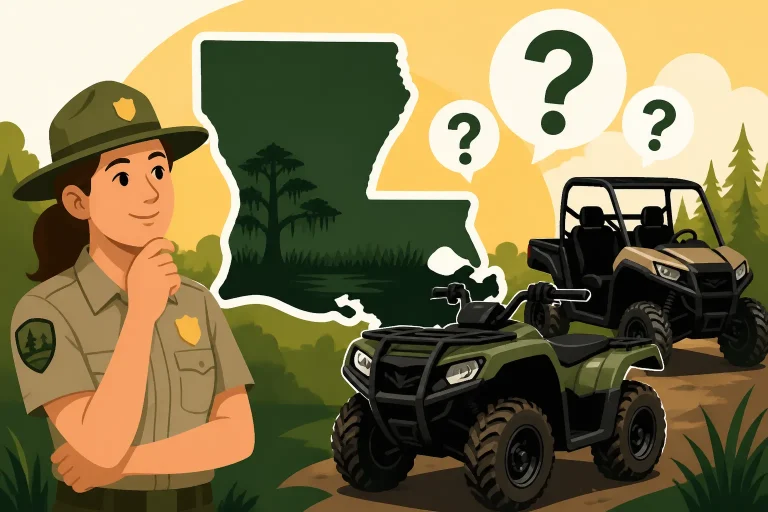
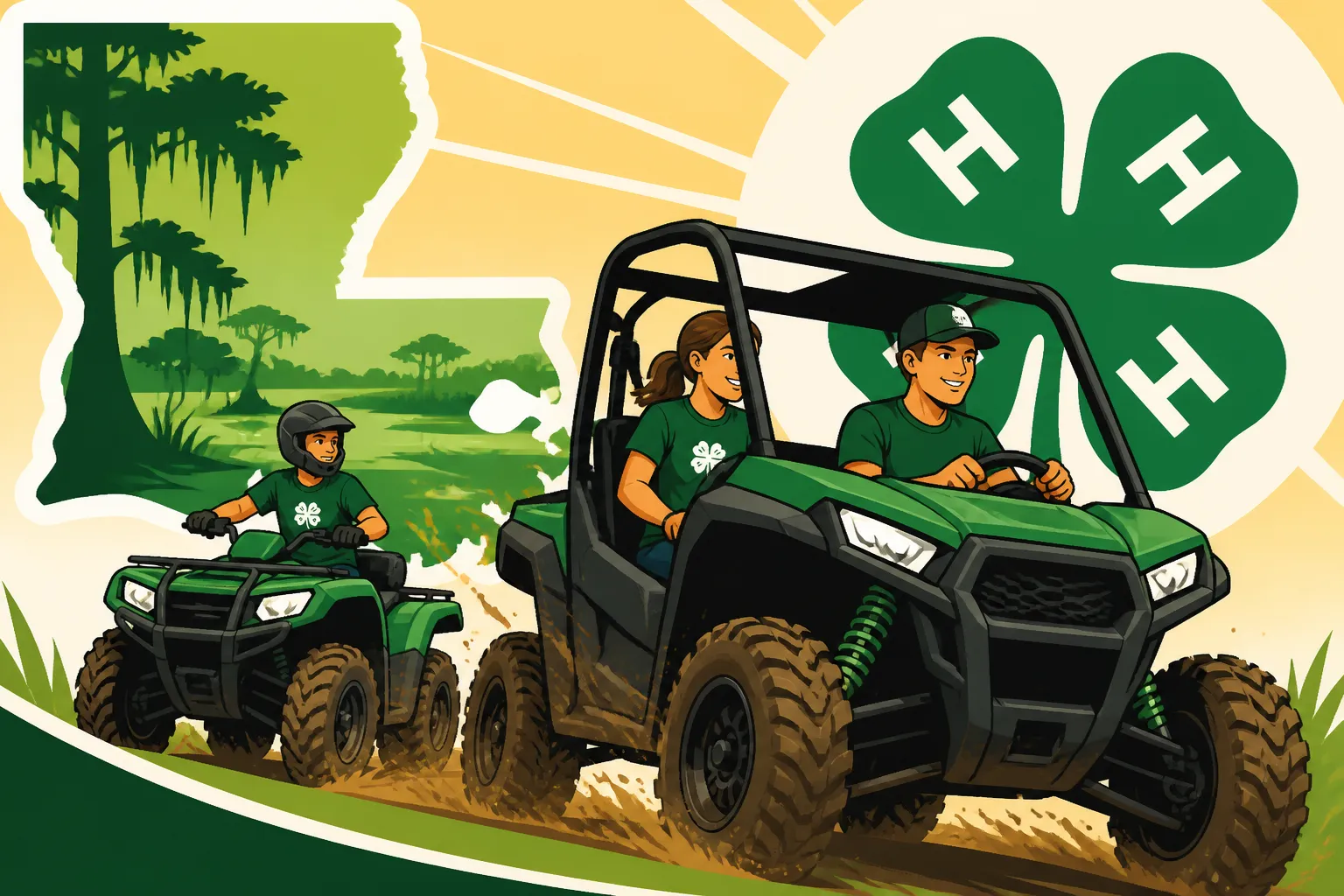
Louisiana 4-H is a youth development program connected with the LSU AgCenter. Its ATV safety education gives young people and families a place to learn about safer riding practices. It’s an educational opportunity, not a replacement for supervision or a promise that a child is ready to ride independently.
Program availability, enrollment steps and the format of instruction can differ by location and event. A course might include classroom learning, demonstrations or practical activities, but families should ask the organizer what the particular session covers. Don’t assume that every parish offers a course on a regular schedule or that a session will include time on a machine.
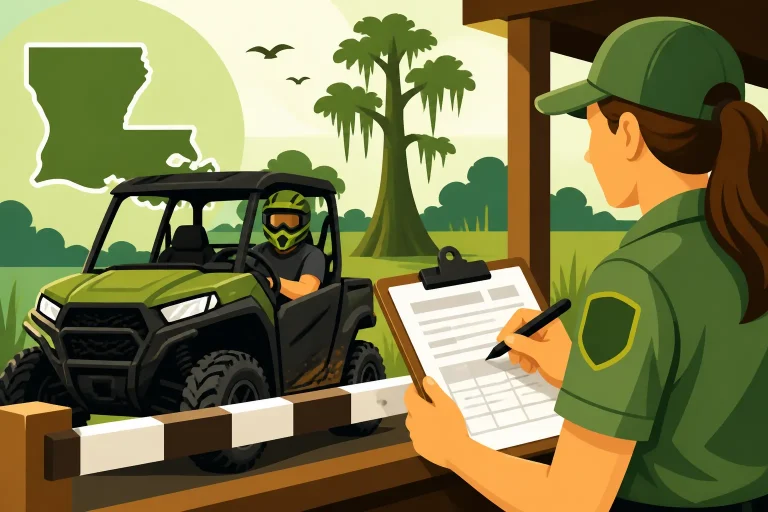
For the most useful local information, contact the LSU AgCenter parish office or the local 4-H contact. Ask whether a session is planned, who can enroll, whether a parent or guardian must attend, and what the young person should bring. If there is no session coming up, ask whether the office knows of another suitable safety education option.
It also helps to understand what the course is not. Louisiana does not require every ATV rider to complete a statewide safety course simply to ride an ATV. That does not mean training is unnecessary, and a riding area, landowner, event organizer or other authority may set separate participation rules. The distinction is covered in Louisiana Has No Mandatory Safety Course.
| Question | What families should know |
|---|---|
| Who provides the youth program? | Louisiana 4-H is connected with the LSU AgCenter; ask the local parish office about current offerings. |
| Is a course required statewide for every ATV rider? | No general statewide course requirement applies to every rider, but other rules or site conditions may apply. |
| Does a course make a child legally eligible to ride anywhere? | No. Age, supervision, property access and riding-area rules still matter. |
| Is every session taught in the same format? | Not necessarily. Confirm the activities and learning goals with the local organizer. |
| Does completing a session replace adult supervision? | No. A young rider still needs appropriate supervision and safe riding conditions. |
A course is most useful when its lessons connect to the child’s actual riding situation. A family planning occasional rides on private property may need to focus on a different set of risks than a family considering a crowded public riding area. Tell the organizer what kind of machine the child uses and where the family expects to ride, then ask whether the session addresses those circumstances.
How to find a session and prepare
Start with the local LSU AgCenter parish office or 4-H contact rather than relying on an old event listing or word of mouth. Youth programs can be seasonal, and local staff can tell you whether a session is currently planned, how enrollment works and whether there are age or participation limits.
Before signing up, get practical details. A few direct questions can prevent a wasted trip and help you decide whether the session suits your child:
- Who may attend? Ask about the age range and whether the course is intended for first-time riders, experienced youth or both.
- Does a parent or guardian need to attend? Confirm any consent forms, supervision expectations and attendance requirements.
- What will the session include? Ask whether instruction is classroom-based, hands-on or a mix, and whether students will ride.
- What should participants bring? Find out whether the organizer supplies protective equipment or expects families to bring their own.
- Is there a fee or registration deadline? Details can vary by event, so confirm them directly.
- What happens if weather disrupts the session? Ask whether there is a rescheduling process or an alternate date.
Do not send the child with an ATV unless the organizer specifically asks families to bring one and explains the arrangements. A hands-on event may have equipment available, or it may use a format that does not involve riding. Get instructions before loading a machine or buying gear for the course.
If the session requires a helmet or other equipment, ask what specifications are accepted. A helmet should fit the rider correctly and be intended for motorized off-road riding; an ill-fitting helmet or one meant for a different activity may not offer suitable protection. Other protective clothing can reduce exposure to scrapes, debris and weather, but it does not prevent every injury. If shopping online through a retailer such as Amazon, check the product’s intended use, sizing guidance and safety information rather than choosing on appearance alone.
Prepare the child for the learning environment, too. Explain that instruction is about making careful choices, not proving how fast or confidently they can ride. Encourage them to ask questions and speak up if they feel uncomfortable. A child who is tired, nervous or pressured to keep up may not be ready for a particular riding activity, even after taking a course.
Families may also find it helpful to read What the 4-H ATV Safety Course Teaches before contacting an organizer. Use that related information as a starting point, then confirm the exact curriculum and format for the local session. The title of a course alone does not tell you whether it includes the specific practice your child needs.
What a young rider can take away
Safety education is most valuable when it helps a young rider recognize risks before they become emergencies. Depending on the session, instruction may discuss equipment checks, protective gear, safe riding decisions and the importance of following rules. Ask the local organizer which topics are included instead of assuming that every course covers the same material.
Parents can reinforce the lessons at home. Before riding, make a routine of checking that the machine is in suitable condition, the rider has correctly fitted protective equipment, and the planned route and conditions are appropriate. Talk through what the child should do if they lose sight of the supervising adult, encounter an unexpected obstacle or feel that a situation is unsafe. The child should know that stopping and asking for help is a sound decision, not a failure.
Supervision remains essential. A safety course can introduce concepts, but it cannot judge every trail, machine or moment on a family’s behalf. The adult responsible for the ride still needs to match the machine and terrain to the child’s ability, keep the child within sight and hearing as appropriate, and stop the ride when conditions change. Mud, water, uneven ground, other riders and fatigue can raise the level of difficulty quickly.
A machine’s size or label is not, by itself, proof that it is appropriate for a particular child. Consider the child’s physical ability to control the machine, their experience and the riding conditions. A child who can operate a machine in a quiet practice area may have difficulty in a busy or technical setting. Increase complexity gradually and do not treat a course completion as permission to move straight to more challenging riding.
It is also worth discussing the difference between riding skill and judgment. A young rider might be able to start, steer and stop a machine but still need help recognizing when not to ride. Weather, poor visibility, unfamiliar terrain and pressure from friends can all affect decision-making. Families can make the safety message clearer by establishing simple rules in advance: where the child may ride, who must be present, when the ride ends and what to do if any rule is unclear.
Parents looking for age-specific considerations can review Louisiana ATV Age Requirements and Louisiana Rules for a Ten-Year-Old Rider. The details that matter may depend on where the child rides and what kind of riding is involved. For a family riding together, Louisiana Parent Riding With a Child offers another useful angle on adult involvement.
Training does not replace riding rules or permission
Completing a 4-H safety session does not create a general right to ride on public roads, public land or someone else’s property. Training and legal access are separate questions. Before a ride, identify who controls the land and whether the location is open to the type of machine and riding planned. On private land, get permission from the landowner and follow any conditions they set.
Rules may also depend on the riding location. A private park can set its own age, supervision, equipment and passenger requirements. Public riding areas may have separate access, permit, trail-designation or machine restrictions. Check the rules for the specific place before traveling; an educational course does not override them. Families considering a private riding area can also review [Louisiana Private Park Age Minimums].
Road use is a different matter again. An off-road ATV safety course is not a road-use permit, and an off-road decal is not the same thing as street-legal registration. Louisiana has limited rules that may apply to certain road use, but they are not a general authorization to ride wherever a road is convenient. For an overview, see Can You Ride an ATV on the Road in Louisiana?.
When planning a family ride, check these points separately:
- Training: What has the child learned, and what additional practice or supervision do they need?
- Rider eligibility: Are there age, license, passenger or supervision rules for this type of machine and location?
- Land access: Is the property open to riding, and has the landowner or managing agency given permission?
- Site requirements: Does the park, trail system or public-land area require a permit, decal, equipment or other conditions?
- Machine suitability: Is the machine appropriate for the child and allowed at the intended riding area?
- Current conditions: Are trails open, and do weather or terrain make the planned ride unsuitable?
These checks may feel like extra work, but they prevent a common misunderstanding: assuming that a child who has taken a course is automatically allowed to ride in any setting. Keep the course information with the family’s other riding paperwork, but verify the location’s current requirements before each trip. Rules can differ from one place to another, and local event instructions may add conditions.
A practical next step is to contact the parish 4-H or LSU AgCenter office, ask what youth safety sessions are available, and confirm the curriculum and participation requirements. Then use the instruction as one part of a larger plan: suitable equipment, attentive adult supervision, a machine the child can control, and a legal place to ride.
Disclaimer
This article is for general informational purposes only and does not constitute professional advice. Laws, prices and regulations vary by location and change over time. Consult a qualified professional for guidance on your specific situation.