Helmet Rules a Private Mud Park Enforces
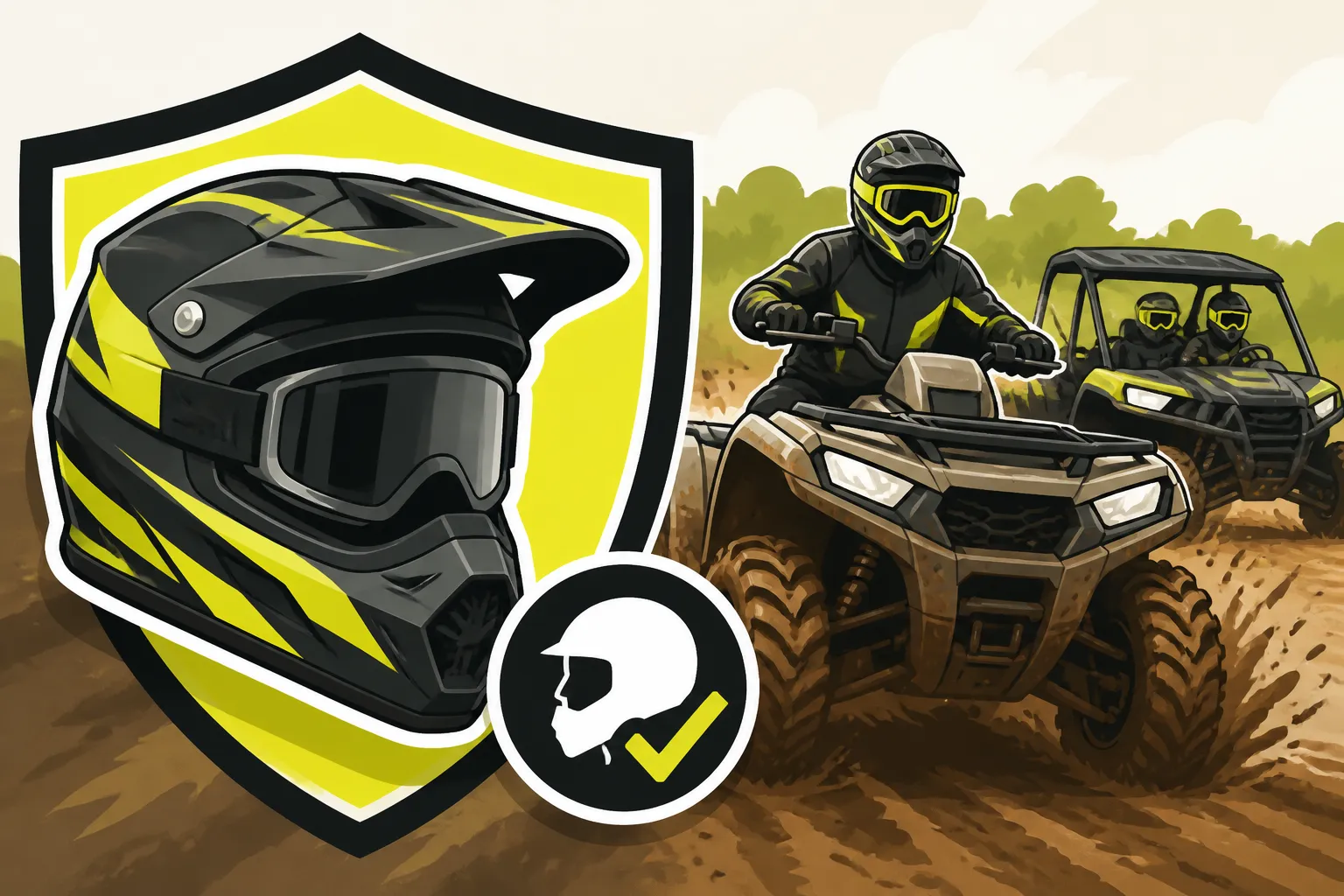
A private mud park can require more protective gear than state law, and its helmet rule may differ for ATVs, side-by-sides, passengers, and event weekends. The safest plan is to confirm the park’s current policy before you travel, then bring a properly fitted helmet that suits the machine and conditions.
Why a private mud park can set its own helmet rule
A private park controls access to its property and can make helmet use a condition of riding. That policy may apply across the property, or only to certain activities, machines, trails, or riders. A park can also require a helmet even when a rider believes state law does not require one for that particular situation.
That is why there is no single helmet rule that automatically applies at every Louisiana mud park. Parks set their own policies, and they can revise them. A rule you heard about from another rider, or followed during a previous visit, may not match the current requirement.
It also helps to separate three kinds of rules:
- Park policy: The conditions a private facility sets for entry and riding. A park may require helmets for everyone operating or riding on a machine.
- State law: Rules that apply to riding in specific public-road or other situations. Those rules are separate from park policy. See Louisiana ATV Helmet Rules for the broader legal context.
- Machine and equipment guidance: The helmet manufacturer’s instructions and any relevant certification or safety standards.
A helmet rule may be only one part of a park’s entry requirements. Parks may also have policies on age, passengers, waivers, alcohol, and riding hours. Review the full Louisiana Private Park Waivers and Rules information before leaving home, and check related requirements such as Minimum Ages a Private Mud Park Sets and Passenger Rules at a Private Mud Park.
Do not assume that being inside a fenced park makes protective equipment optional. A park can turn a rider away, restrict riding, or require a helmet to be worn in specific areas. If the policy is unclear, ask the park directly rather than relying on a social media post, an old flyer, or a friend’s recollection.
What to confirm before you leave
A quick call or message can prevent a wasted trip, especially when you are bringing more than one machine or riding with children. Ask about the rule that applies to your exact setup, and request a link to the current written policy if one is available.
| Question | Why it matters |
|---|---|
| Does every ATV operator need a helmet? | Some parks apply a blanket rule to all riders; others describe exceptions or different riding areas. |
| Do UTV drivers and passengers need helmets? | The policy may cover every occupant, not just the driver. |
| Are helmets required for children and adults alike? | Age-based expectations can differ from the rules for passengers or machine types. |
| Is a particular helmet style or certification required? | A park may specify acceptable gear or reject novelty or damaged helmets. |
| Are helmets required everywhere or only while riding? | Rules may cover designated areas, staging zones, or particular events. |
| Do rules change for night riding or event weekends? | Special operating periods may have added conditions. |
| Can a rental helmet be provided? | Availability, sizing, and condition may be limited. Bring your own if you need a dependable fit. |
Be specific when describing your machine. “We have a side-by-side” may not answer whether the park has different requirements for a fully enclosed cab, an open UTV, or a particular passenger arrangement. Ask what the rule says for every seat you plan to use. The broader Louisiana Rules for Passengers on a UTV can help separate a park’s passenger policy from other riding rules.
If you are visiting for a scheduled event, check the event information as well as the park’s general rules. Event organizers may add conditions, and a park’s normal operating policy may not cover every event-specific requirement. If you plan to ride after dark, check Night Riding Inside a Private Mud Park too; helmet requirements can be part of a wider set of night-riding restrictions.
Keep the answer somewhere easy to access, such as a saved message or screenshot. This is especially useful when several adults are coordinating vehicles and equipment. A written policy also gives you a clear way to confirm what the park expects if a rule has changed since you made plans.
Choosing a helmet that works for mud riding
A helmet should fit securely, remain in good condition, and suit the type of riding you will do. A park’s minimum rule is not necessarily a complete recommendation for comfort or protection. Mud, branches, flying debris, and low-speed collisions can all make head and face protection worthwhile, even when a ride seems casual.
Check the policy before buying
Start with the park’s stated requirements. It may identify acceptable helmet styles or safety markings, or it may simply say that helmets are required. Do not assume that any helmet sold as an ATV helmet will satisfy a facility’s policy.
For road-style motorcycle helmets in the United States, a DOT label is associated with the federal motorcycle helmet safety standard. Other safety standards may apply to particular helmet types. Certification labels and product descriptions can be confusing, so confirm that the helmet is intended for your activity and meets the park’s stated conditions. If the park names a standard, check the helmet’s label and manufacturer information rather than relying only on a product listing.
If buying online, including through Amazon, verify the exact model, intended use, certification details, and return policy before ordering. Marketplace listings can include several versions of a product, and photos or titles may not clearly show which version is being sold. A brand name or “off-road” wording alone does not establish that the helmet meets a park’s requirement.
Prioritize fit and condition
A helmet that is too loose can shift during a ride; one that is painfully tight may be difficult to wear for a full day. Follow the manufacturer’s sizing instructions and try the helmet on with the retention system fastened. It should sit level and feel secure without obstructing vision or causing painful pressure points.
Check the shell, liner, straps, buckle, and any face shield before the trip. Do not use a helmet with visible damage, a broken retention system, or a history of a significant impact unless the manufacturer has confirmed it remains serviceable. A used helmet can be difficult to assess because damage may not be obvious from the outside.
Mud riding can expose a rider to debris, water, and spray. Goggles or a face shield may help protect the eyes, but they should work with the helmet without interfering with fit or visibility. If you use goggles, check that the strap stays secure and that the lens gives a clear view in the conditions you expect. Tinted lenses can be a poor choice if you may ride into shaded areas or after daylight fades.
Match the helmet to the vehicle and ride
An ATV rider may benefit from a helmet that protects the face and works with goggles. A UTV occupant may have different needs depending on the vehicle’s design and the park’s policy. A roof, windshield, or enclosed cab does not automatically cancel a helmet requirement; follow the park’s rule for the machine and seat.
Consider comfort, ventilation, weight, and whether the helmet works with your other gear. A helmet that is technically suitable but uncomfortable may tempt a rider to remove it during a stop or wear it incorrectly. Secure long hair and check that hats, liners, communication devices, and goggles do not compromise the fit.
If the park rents helmets, ask whether sizes are available for every rider and whether you can inspect the equipment before using it. Rental gear can be convenient, but availability may be limited during a busy event. Riders with unusual sizing, prescription eyewear, or specific fit needs are generally better prepared when they bring a helmet they already know fits.
What to do at the park and common mistakes to avoid
Once you arrive, make sure the actual rider understands the rule. A parent or group organizer may handle check-in, but each person should know when a helmet must be worn and whether it needs to stay on while moving through staging areas or between trails.
Before unloading:
- Review the posted rules and any waiver language at the entrance or check-in area.
- Ask staff about any point that differs from what you were told before the trip.
- Check that every rider and passenger has a helmet that fits and meets the park’s stated requirement.
- Fasten the chin strap or retention system before moving.
- Keep the helmet on wherever the park requires it, including any designated transition areas.
The most common mistake is treating a helmet rule as a suggestion because the ride is slow, the trail is familiar, or the machine has a roof. Another is assuming the policy applies only to the driver. If the park says all occupants must wear helmets, that includes passengers. Do not rely on another vehicle’s equipment or a passenger’s age as an assumed exception.
A second mistake is confusing a private park’s rule with a public-road rule. A helmet rule for riding at a facility does not tell you whether a machine may be used on a road, and a road-law exception does not override a park’s entry conditions. Road use has separate legal and local requirements; Louisiana ATV Helmet Rules is a starting point for keeping those questions distinct.
Finally, do not assume a waiver replaces protective equipment. Signing a waiver does not mean the park has waived its helmet policy, and it does not make a damaged or poorly fitted helmet a good choice. If a staff member tells you that your helmet is not acceptable, pause and resolve the issue before riding. The park may allow a different helmet, but its staff—not a product listing or another rider—decides whether the gear meets its rules.
The practical approach is simple: verify the current policy, bring suitable helmets for every person who may ride or ride as a passenger, and check fit and condition before unloading. That small bit of preparation can avoid a check-in problem and make a long day of mud riding more comfortable and safer.
Disclaimer
This article is for general informational purposes only and does not constitute professional advice. Laws, prices and regulations vary by location and change over time. Consult a qualified professional for guidance on your specific situation.