What Your Insurer Wants After a Collision
An ATV or UTV collision is a jarring, stressful experience, and the last thing anyone wants to deal with in the immediate aftermath is a convoluted insurance process. It feels like you've just been through enough, only to be met with a stack of paperwork and a seemingly endless list of demands. This guide is here to cut through the confusion and explain exactly what your insurer will want from you after an ATV or UTV collision in Louisiana, helping you navigate the claims process with less headache and more clarity.
Immediate Steps After a Louisiana ATV/UTV Collision
When you're involved in an off-road collision, whether it's a fender bender with another machine on a trail or an accidental run-in with an obstacle, your first priority is always safety. Louisiana's varied terrain, from dense pine forests to muddy bayou trails, presents unique challenges, and accidents can happen quickly, often far from immediate help. How you handle those critical first moments can significantly impact both your well-being and the eventual outcome of your insurance claim.
Prioritizing Safety and Assessing Injuries
First and foremost, check on yourself and any passengers or other parties involved. Even if you feel fine, adrenaline can mask injuries. Look for visible injuries, and don't hesitate to call for emergency medical services if there's any doubt about someone's condition. Getting medical attention immediately protects your health and creates an official record of any injuries sustained, which is crucial for potential personal injury claims. Remember, your health is more important than any machine or paperwork.
Once you've ensured everyone's immediate safety, move your ATV or UTV to a safer location if possible and if doing so won't cause further damage or risk. This might mean pulling it to the side of a wide trail, or if you're on a public road shoulder (perhaps making a legal crossing), getting it completely out of the flow of traffic. However, if moving it compromises evidence or puts you in further danger, leave it be until authorities arrive. If you're out deep in the woods, far from cell service, and can't move, focus on signaling for help and staying safe until assistance arrives.
Documenting the Scene and Gathering Information
Your insurance company will want as much objective evidence as you can provide about the collision scene. This is where your smartphone becomes your best friend. Take clear, well-lit photos and videos from multiple angles. Capture the position of all machines involved, any damage to your ATV or UTV (and other vehicles), tire marks, debris, and any relevant environmental factors like trail conditions, obstacles, or signage. Don't just focus on the damage; show the wider context of the accident site. Think about what an investigator would want to see if they weren't there.
Beyond visual documentation, gather specific details. This includes the date, time, and exact location of the collision (GPS coordinates if you have them!). If other people or vehicles were involved, collect their names, contact information, insurance details, and license plate numbers (if applicable). Get contact information for any witnesses, too. Their unbiased account can be invaluable. Even if you're just documenting damage to your own machine after hitting a tree, note the circumstances leading up to it. Jot down everything you remember, no matter how small, as memories can fade quickly under stress. This meticulous record-keeping helps your insurer understand the full picture and can prevent disputes later on.
Reporting the Accident to Authorities
Whether you're on a designated trail in Kisatchie National Forest, crossing a parish road, or even just on private land, you might need to report the accident. If the collision involves injuries, significant property damage (especially to public property), or another vehicle on a public roadway, contacting law enforcement is usually required. In Louisiana, you might need to make an official report, especially if there are injuries beyond minor scrapes. For incidents on public roads, Louisiana law requires reporting certain accidents. Consult our guide on [Louisiana Accident Reporting for an ATV Crash] for more detailed guidance.
Even for single-vehicle accidents on private land, sometimes it's wise to make a non-emergency report to local sheriff's deputies. While they may not investigate an off-road incident with the same rigor as a highway crash, a police report provides an official, third-party record of the event. Your insurer will appreciate this, as it adds credibility to your claim and details the circumstances reported at the time. Explain clearly that it's an off-road incident and ask if they can document it. Always obtain a copy of the accident report number or the report itself for your records.
What Your Insurer Absolutely Needs from You
Once the immediate aftermath is handled and safety is ensured, your focus shifts to your insurance provider. They're going to ask a lot of questions and request specific documentation to process your claim. Being prepared with this information can significantly streamline the entire process, minimizing delays and frustration. Your goal is to provide a clear, concise, and complete picture of what happened, allowing them to assess coverage and determine liability.
The Initial Claim Notification
The very first thing your insurer needs is prompt notification of the collision. Most policies require you to report an accident within a specific timeframe, often immediately or as soon as reasonably possible. Delaying this can complicate your claim or even lead to denial. When you call, have your policy number ready. You'll typically speak with a claims representative who will open a file and guide you through the initial steps. They'll ask for basic information: your name, contact details, policy number, and the date, time, and location of the incident. This initial call sets the claims process in motion.
Be ready to provide a brief overview of what happened – who was involved, what kind of machines, and if there were any injuries. Don't elaborate too much or speculate on fault during this first call; simply state the facts as you know them. You'll have plenty of opportunity to provide a more detailed account later. Remember, they want to know that an accident occurred, and that you intend to file a claim. If you're unsure about whether your specific situation is covered, like damage to aftermarket parts from SuperATV, it's always best to report it and let them determine coverage.
Detailed Account of the Incident
After the initial notification, an insurance adjuster will be assigned to your case, and they will want a much more comprehensive narrative of the collision. This is where all those notes and photos you took come in handy. You'll be asked to describe, in detail, how the accident occurred, including the sequence of events leading up to it, what happened during the collision, and the immediate aftermath. Be precise with dates, times, speeds, directions of travel, and any contributing factors like weather or trail conditions.
They'll also want to know about all parties involved: names, contact information, insurance details (if applicable), and descriptions of their vehicles. If there were witnesses, their contact information will also be requested. The adjuster will be looking for consistency in your statements and how they align with the evidence collected at the scene. This detailed account helps them establish a clear timeline and determine potential fault, which is crucial for liability claims. Being honest and factual, without exaggeration or minimizing, is always the best approach.
Supporting Documentation and Evidence
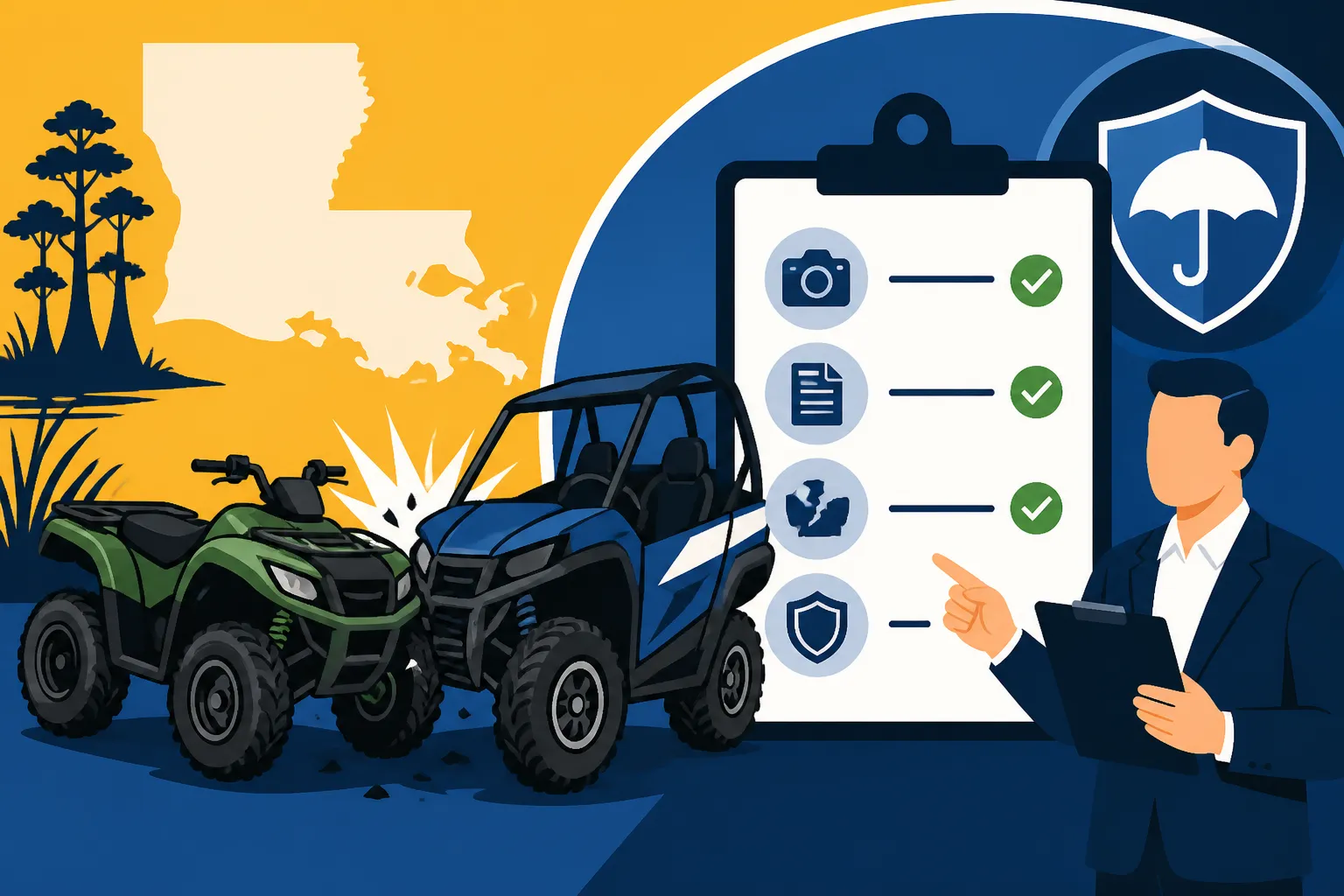
This is often the most extensive part of what your insurer wants. Beyond your verbal account, they require tangible proof and information to support your claim. This commonly includes:
- Photos and Videos: As mentioned, visual evidence of the scene, damage, and surrounding conditions is paramount.
- Police Report: If a law enforcement agency created one, the report number or a copy of the report itself.
- Medical Records: If there were injuries, documentation from doctors, hospitals, or paramedics.
- Repair Estimates: For damage to your ATV or UTV, they'll often want one or more estimates from qualified repair shops. If your machine features custom parts or accessories from brands like SuperATV, make sure these are itemized in the repair estimate.
- Proof of Ownership: Your ATV or UTV title and registration can be requested to confirm ownership.
- Proof of Purchase: Receipts for damaged aftermarket parts can help validate their value.
- Witness Statements: Contact information for witnesses, and sometimes written statements or interviews conducted by the adjuster.
Your adjuster might also ask for specific policy documents, especially if there are questions about the extent of your coverage. For example, if you're making a claim for damage to your machine, they'll want to review your comprehensive or collision coverage details. Providing all requested documents promptly and accurately will significantly speed up the claims review process.
Navigating the Claims Process with Your Louisiana ATV/UTV Insurer
Once you’ve provided all the initial information and documentation, the claims process truly begins. This phase involves investigations, evaluations, and ultimately, a settlement offer. It can feel like a waiting game, but understanding each step will help you stay informed and proactive.
Understanding Adjuster Investigations
After receiving your detailed account and supporting documents, the insurance adjuster will begin their investigation. This isn't just about reviewing what you've sent; they might conduct their own inquiries. For example, they might visit the accident scene, speak with witnesses, or even consult with experts, particularly in complex cases or those involving significant damage or injuries. If another party was involved, they will contact that party's insurer to gather their side of the story and determine liability. This can sometimes lead to prolonged communication between insurance companies as they piece together the event.
The adjuster’s primary role is to verify the facts, determine who was at fault (if applicable), and assess the extent of the damages covered by your policy. They will compare your statements against physical evidence and any official reports. Be cooperative and available to answer any follow-up questions they might have, but always stick to the facts. If you're making a claim for personal injury, they will also review medical records and potentially arrange for an independent medical examination.
Repair Estimates and Settlement Offers
For property damage to your ATV or UTV, the adjuster will evaluate the repair estimates you provide. They might also send their own preferred appraiser to inspect the damage, especially if the estimates seem unusually high or low, or if there's extensive damage to specialized components like a SuperATV lift kit or suspension. The goal is to agree on a fair cost for repairs. If your machine is deemed a "total loss" (meaning the repair cost exceeds a certain percentage of its actual cash value), the insurer will offer you a settlement for its market value, minus your deductible. This value takes into account factors like age, mileage, condition, and any pre-accident modifications.
If the machine is repairable, the insurer will authorize repairs based on the agreed-upon estimate. You typically have the choice of where to get your machine repaired. For personal injury claims, the settlement offer will consider medical expenses, lost wages, pain and suffering, and other damages. It's important to understand your [Louisiana Insurance Deductible Choices] as this amount will typically be subtracted from any payout for repairs or total loss. Review any settlement offer carefully. If you believe it's too low, you have the right to negotiate and provide additional evidence to support a higher valuation.
Potential Impact on Your Policy and Premiums
A collision claim, especially one where you are found to be at fault, can have implications for your insurance policy. Your premiums might increase upon renewal, or your insurer could even decide not to renew your policy. This isn't always the case, particularly if you have accident forgiveness or if the incident was clearly not your fault. However, it's a realistic possibility that many riders face. It’s also important to remember that off-road insurance can differ from standard auto policies. For example, you might have specific coverage for [Louisiana Insurance for Trail Use] that doesn't affect your primary vehicle insurance.
Understanding the specific terms of your policy is key. Some policies have a "use tax" clause, for example, if the machine was purchased out-of-state. If the collision happened on a public road where your ATV/UTV was operating illegally (outside of specific [Louisiana ATV Road Rules Under 32:299] or [Louisiana UTV Road Rules Under 32:299.3]), your insurer might deny coverage entirely. Be transparent with your insurer about the circumstances, and always review your policy documents to understand how a claim might affect your future coverage and costs.
| Information Your Insurer Needs | Purpose | Importance |
|---|---|---|
| Policy Number | Identifies your coverage | Critical |
| Date, Time, Location | Establishes incident parameters | Essential |
| Detailed Account | Describes "how" the accident happened | High |
| Photos/Videos | Visual evidence of scene and damage | Very High |
| Police Report | Official, third-party documentation of event | High (if applicable) |
| Witness Info | Corroborates your story, provides other perspectives | High (if available) |
| Other Parties' Info | For liability determination and contact | Essential (if applicable) |
| Medical Records | Documents injuries and treatment | Critical (if injured) |
| Repair Estimates | Quantifies property damage | High |
| Proof of Ownership | Confirms you own the machine | Essential |
Common Pitfalls and How to Avoid Them
Dealing with an insurance claim can feel like navigating a swamp sometimes, with hidden snags and pitfalls waiting to trip you up. Knowing what mistakes to avoid can save you a lot of time, stress, and even money in the long run. The key is to be prepared, thorough, and clear in all your communications.
Incomplete Information and Delays
One of the biggest frustrations for both you and your insurer is a lack of complete information or significant delays in providing it. If you submit a claim with missing details – like forgetting to include contact information for a key witness or failing to provide all the necessary repair estimates – the adjuster will have to spend time chasing down those details. This back-and-forth inevitably prolongs the claims process. Imagine your adjuster trying to verify damage to a custom SuperATV suspension without a clear photo or an itemized repair quote.
To avoid this, treat your accident documentation like preparing for a big exam. Organize all your photos, notes, and contact information immediately after the incident. When your adjuster asks for something, provide it promptly and completely. If you’re waiting on a document from a third party (like a police report or a medical bill), communicate that to your adjuster and give them an estimated timeframe. Proactive and thorough communication is your best friend here.
Understanding Your Policy's Coverage Limits
It’s surprisingly common for policyholders to misunderstand what their ATV or UTV insurance actually covers. You might think you have full coverage, only to find out that your policy has specific exclusions for certain types of incidents or aftermarket modifications. For instance, some basic policies might not cover damage from racing or certain types of off-road events. If you've modified your machine extensively, for example, with a snorkel kit or portal gears, you need to ensure these modifications are declared and adequately covered. Otherwise, you might face a nasty surprise when you discover they aren't included in your settlement.
Before you even file a claim, or certainly early in the process, take the time to review your actual policy documents. Understand your deductibles, your liability limits, and what types of incidents are covered under your comprehensive, collision, and liability sections. If you're unsure, don't hesitate to call your agent and ask for clarification. It's much better to know upfront what to expect rather than learning about a coverage gap in the middle of a stressful claim. This also helps you understand the true [Louisiana ATV Insurance Cost] and what you're getting for it.
The Importance of Timely Communication
Communication is key throughout the entire claims process. It's not just about providing information; it's also about staying in touch with your adjuster. Don't be a stranger! If you have new information, a question about the process, or if you're experiencing delays in getting documents they've requested, pick up the phone or send an email. Conversely, if your adjuster reaches out to you, respond promptly. Leaving calls or emails unanswered can bring the claims process to a grinding halt.
A good working relationship with your adjuster, built on clear and timely communication, can make a huge difference in how smoothly your claim proceeds. They are there to help you, within the bounds of your policy, and being responsive makes their job easier, which in turn benefits you. If you feel like communication has broken down or you're not getting answers, don't hesitate to politely escalate your concern to a supervisor. However, always start by being a proactive and responsive participant in your own claim.
Disclaimer
This article is for general informational purposes only and does not constitute professional advice. Laws, prices and regulations vary by location and change over time. Consult a qualified professional for guidance on your specific situation.