Who Owns the Canal Bank You Want to Ride
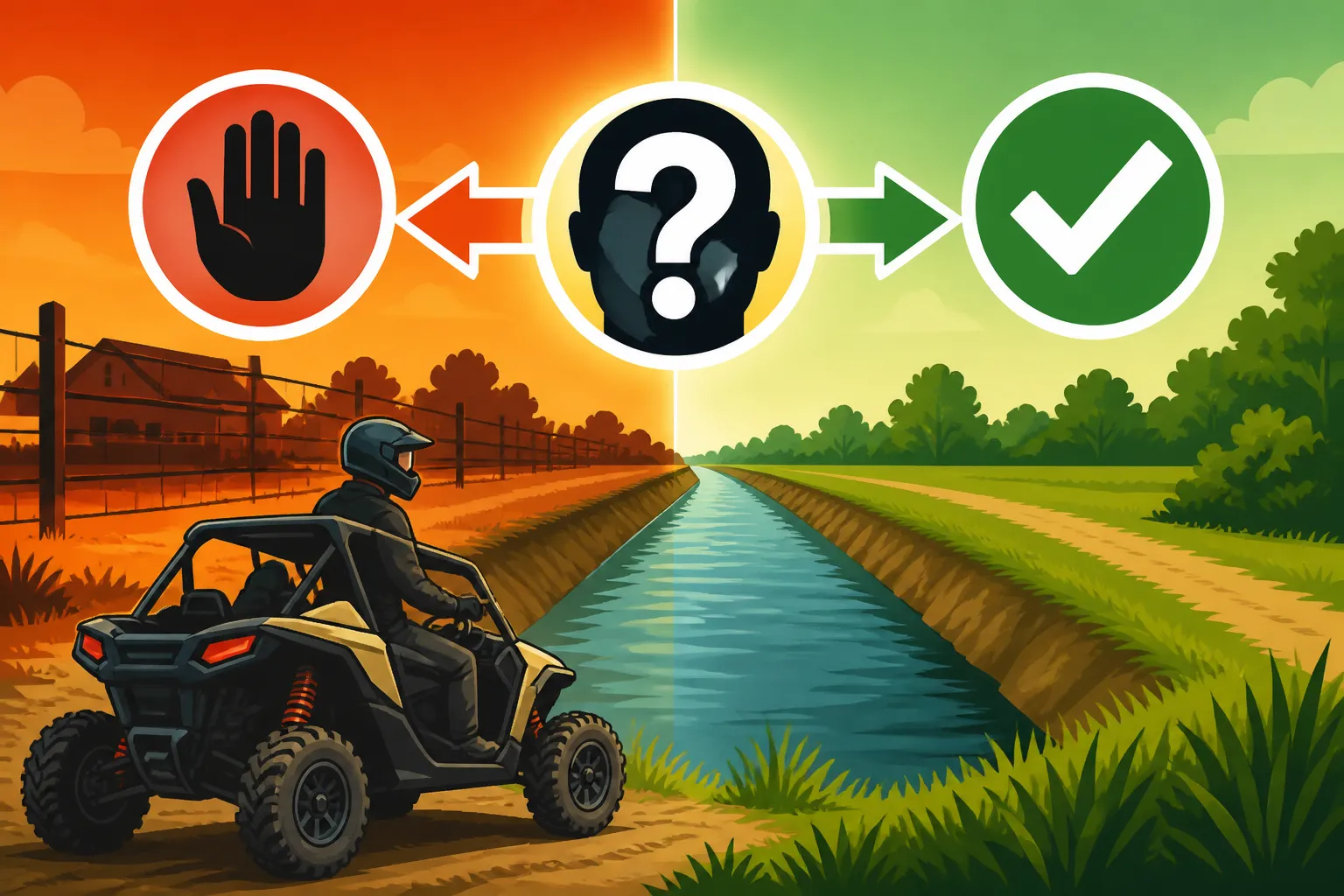
It's a familiar scenario for many off-road enthusiasts here in Louisiana: you're cruising down a rural road, maybe on your way to a hunting camp or just exploring, and you spot a tempting canal bank stretching into the distance. It looks like an open invitation for a ride, a perfect natural trail for your ATV or UTV. But then that nagging thought creeps in – whose land is this, really? Can I actually ride here, or am I trespassing? It's a common dilemma, and navigating the complexities of canal bank ownership and access can be incredibly frustrating. This guide is here to shed some light on who typically owns these tempting pathways and, more importantly, how to figure out if you can legally and safely enjoy them on your machine.
Understanding the Nuances of Canal Bank Ownership in Louisiana
The truth about canal banks in Louisiana is that ownership isn't always as straightforward as you might hope. It’s not like a designated public park where the rules are clearly posted. Instead, it's a patchwork of private property, public easements, and special district lands, all with their own set of regulations – or lack thereof. You might see a beautiful stretch of land that looks like an open trail, but beneath the surface, there's a complex web of property rights. Many riders have found themselves in hot water, facing fines or confrontation, simply because they didn't realize the land wasn't public.
The Various Owners of Louisiana Canal Banks
When you look at a canal, whether it's a small ditch or a major navigation channel, there are several entities that could hold the deed or have jurisdiction over the adjacent banks. It's rarely a simple answer.
First, you have private landowners. Many smaller canals and ditches are dug entirely on private property for drainage or irrigation purposes for a specific farm or development. The property lines often extend right up to, and sometimes even into, the canal itself. In these cases, the bank is unequivocally private land, just like someone's backyard. Riding on it without explicit permission is a clear act of trespassing. Imagine someone riding through your yard just because it looked like an open space – that’s essentially what it could be for a private canal bank.
Next, you have drainage districts and levee districts. These are public entities, often parish-level, created specifically to manage water flow, flood control, and maintaining infrastructure like canals and levees. They hold easements or even outright ownership of the land necessary for these operations. While these lands serve a public function, that doesn't automatically mean they're open to recreational riding. Their primary purpose is maintenance and protection, and unauthorized recreational use can interfere with that. For instance, [Who Really Owns the Top of a Levee] is a similar question with a distinct answer.
Then there are larger, navigable waterways or canals built by the state or federal government. These might be part of the larger network managed by entities like the Army Corps of Engineers or the Louisiana Department of Transportation and Development (DOTD). The banks of these larger channels can sometimes have public access points, but even then, specific rules regarding vehicle use almost always apply. It's a vast difference from a small farm ditch to a major navigation channel.
Easements and Rights-of-Way: Not Always for Public Use
A common misconception is that if there's an easement or right-of-way over a canal bank, it automatically means public access. Unfortunately, this isn't true for recreational purposes. An easement is a legal right to use another person's land for a specific purpose, like running utility lines, maintaining drainage, or allowing a limited access path. It doesn't grant the general public the right to ride ATVs or UTVs on that land.
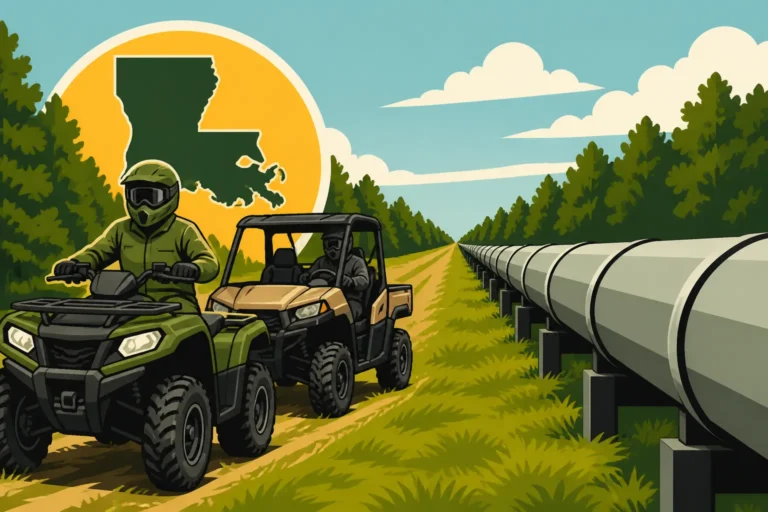
For example, a drainage district might have an easement over a private landowner's property to access and maintain a canal. This means their equipment and personnel can use the bank, but it doesn't extend that privilege to you or your machine. Similarly, a power company might have a right-of-way for transmission lines along a canal, but that's for their utility vehicles, not for your weekend ride. Always remember that specific legal permissions are usually tied to specific purposes, not general recreation.
Navigating Public Versus Private Access for Riding
Once you understand that canal banks aren't a free-for-all, the next step is figuring out how to tell the difference between accessible and off-limits areas. This can be challenging, as the signs are often subtle or nonexistent, leaving riders in a gray area of uncertainty.
Identifying Potential Access Points and Restrictions
When you're eyeing a canal bank, the first thing to look for are any visible signs. "No Trespassing" signs are, of course, a clear indication to stay out. But the absence of a sign doesn't automatically mean it's open. Look for fences, gates, or even well-worn tracks that might suggest it's regularly used by someone, perhaps the landowner or a utility crew. A freshly graded bank might indicate recent maintenance by a drainage district, making it particularly important to avoid, as your machine could damage the work.
You should also consider the context. Is the canal bank immediately adjacent to a known private farm or residence? Is it leading into a heavily wooded area where hunting clubs might lease land? These are all clues that the land is likely privately owned or managed. Public access areas for ATVs and UTVs are typically well-marked, often found within state parks, national forests like Kisatchie National Forest, or designated mud parks. If a canal bank doesn't fit into one of these categories, it’s best to assume it’s not for public recreational riding. For example, knowing the rules for [Louisiana WMA Riding Rules for Quads] or [Louisiana WMA Riding Rules for UTVs] will highlight just how specific legal riding areas are.
The Role of Drainage and Levee Districts
As mentioned, drainage and levee districts manage many canals and their banks. These organizations have specific mandates, and public recreational riding is almost never part of them. In fact, many districts actively prohibit it due to liability concerns, potential damage to infrastructure, and the need to keep access clear for maintenance.
If you suspect a canal bank is managed by a district, your best bet is to contact the local parish government or the specific district office to inquire about their policies. They are the authoritative source for information regarding their property. Don’t just assume! Showing up with a souped-up side-by-side, perhaps even with some premium parts from SuperATV, won't make an unauthorized ride any less unauthorized. Knowing the rules beforehand can save you a lot of hassle and potential legal trouble. For instance, questions about [Getting Permission From a Levee District Board] highlight the need for direct contact.
Seeking Permission: The Golden Rule for Canal Banks
Given the complexities of ownership, the safest and most responsible approach to riding on any canal bank is to always seek explicit permission. This isn't just about avoiding trouble; it's about respecting private property and fostering positive relationships within the community of landowners and outdoor enthusiasts.
How to Identify the Owner and Ask Politely
So, you’ve found a promising canal bank. How do you find out who owns it? A great starting point is the parish assessor’s office. Property records are public information, and you can often look up parcel maps and ownership details online or in person. You might need to know the approximate location or an adjacent street address to narrow it down. If it's a large canal, contacting the local drainage or levee district is the way to go.
Once you identify the owner, approach them respectfully. Explain your interest in riding your ATV or UTV on their canal bank. Be prepared for a "no," but a polite "yes" could open up a fantastic new riding spot. Offer to be mindful of their property, stay on the bank, and avoid disrupting any ongoing activities. You might even offer to help with light maintenance if they allow you access. Many landowners appreciate a courteous approach and may be more inclined to grant permission if they trust you to respect their land. Remember, [Getting Written Permission From a Louisiana Landowner] is always your best bet.
Here's a quick comparison of potential canal bank owners and typical access:
| Owner Type | Typical Access for ATV/UTV Riding | How to Seek Permission |
|---|---|---|
| Private Landowner | No, strictly private | Contact directly, respectfully ask for written permission. |
| Local Drainage/Levee District | Rarely, usually prohibited | Contact district office, inquire about specific policies. |
| State/Federal Agencies | Highly regulated, often restricted | Check agency website or call local office for designated areas. |
| Utility Companies | No, for utility use only | Unlikely to grant access; their easements are not for public recreation. |
Always err on the side of caution. If you can't determine the owner or get explicit permission, do not ride on the canal bank.
The Importance of Written Permission
If a landowner or district manager agrees to let you ride, congratulations! That's fantastic. But don't just shake hands and ride off. Always, always, always get that permission in writing. A simple, signed document stating the terms of your access – what areas you can ride, for how long, and any specific rules they have – can save you a world of trouble later.
Imagine this scenario: you've been given verbal permission, but then the landowner sells their property, or a new manager takes over the district. Without written proof, you might find yourself in an awkward situation, being accused of trespassing even though you believed you had permission. A written agreement is your best defense and ensures clarity for everyone involved. It shows you're a responsible rider who values clear boundaries. This also applies to things like [Louisiana Agricultural Affidavits for an ATV] if you're using it for specific farm purposes.
Potential Penalties and Risks of Illegal Riding
Riding on a canal bank without permission isn't just a minor infraction; it can lead to serious legal consequences and put you and your machine at risk. Louisiana landowners, drainage districts, and even utility companies take unauthorized access very seriously, especially when it involves potential damage to their property or infrastructure.
Legal Consequences of Trespassing
In Louisiana, riding an ATV or UTV on private property without permission constitutes criminal trespass. The penalties can range from significant fines to even impoundment of your machine. You could also face civil lawsuits if your riding causes any damage to the property, such as eroding the bank, breaking irrigation pipes, or disturbing planted crops. Landowners are often protective of their land, and repeated unauthorized riding can escalate their response significantly. It's not uncommon for folks to put up "No Trespassing" signs after a string of incidents, effectively shutting down any future possibility of access.
Beyond direct trespassing, there are other risks. If a canal bank is part of a utility right-of-way, you could accidentally damage buried cables or pipelines, leading to incredibly expensive repairs and potential personal injury. Drainage districts also rely on these banks to be stable. Riding on them, especially after heavy rains, can compromise their integrity, leading to erosion or even breaches that cause flooding. These are not just minor issues; they are serious problems that can affect entire communities. Understanding [Louisiana Trespass Law for Riders] is critical for any responsible off-road enthusiast.
Safety Concerns and Insurance Implications
Beyond the legal ramifications, there are inherent safety risks to riding on unapproved canal banks. These areas are not maintained for recreational riding. You might encounter hidden obstacles, unstable ground, unexpected drop-offs, or debris. A canal bank, even if it looks flat, can have varying soil compositions and structural integrity that could lead to rollovers or crashes, especially if your machine isn't adequately equipped. While a high-quality machine from a brand like SuperATV can handle rugged terrain, no machine is invincible against truly treacherous or unknown conditions.
Furthermore, if you get into an accident on private property where you didn't have permission, your insurance coverage might be jeopardized. Most insurance policies have clauses that could deny coverage for incidents occurring during illegal activities, like trespassing. That means you could be on the hook for medical bills, property damage, and the cost of repairing or replacing your own ATV or UTV. [Does Louisiana Require Insurance on an Off-Road Machine?] covers some of these questions, but generally, insurance for off-road machines is for permitted use.
Ultimately, while a canal bank might look like an inviting trail, the risks associated with riding without permission far outweigh any perceived benefits. Prioritizing safety, legality, and respect for property will ensure that your ATV and UTV adventures remain enjoyable and trouble-free. Stick to designated trails and always get permission when in doubt.
Disclaimer
This article is for general informational purposes only and does not constitute professional advice. Laws, prices and regulations vary by location and change over time. Consult a qualified professional for guidance on your specific situation.