Riding With a Dog on the Rack
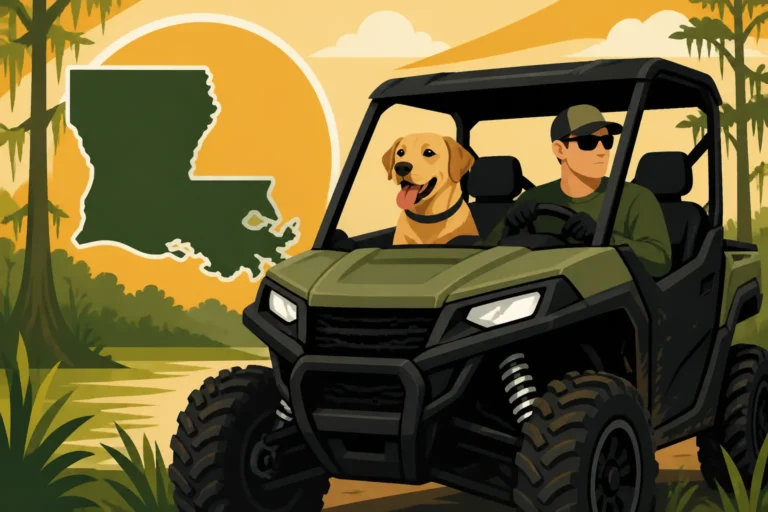
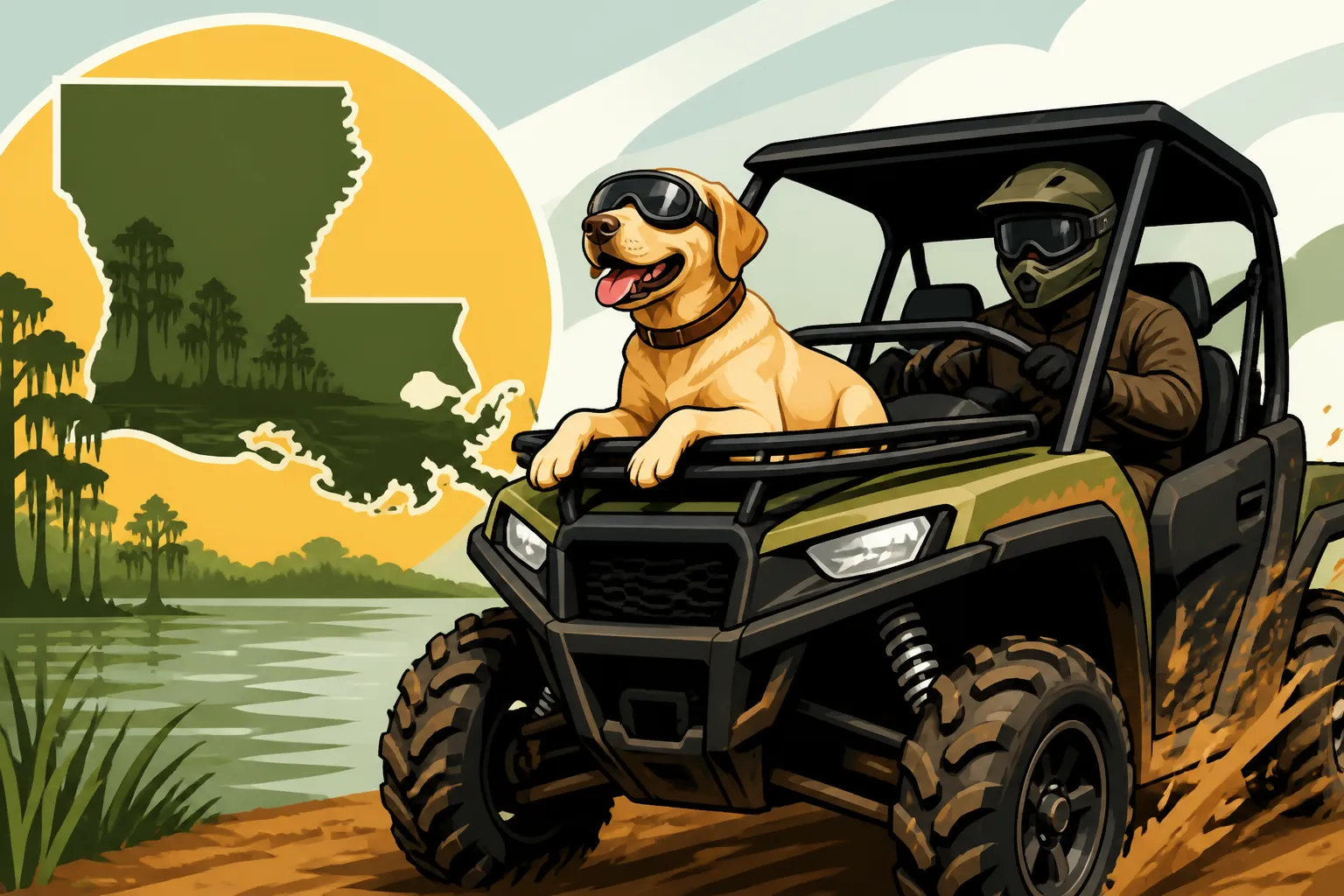
Bringing your beloved dog along for an off-road adventure on your ATV or UTV in Louisiana sounds like an absolute dream, doesn't it? The thought of your loyal companion by your side as you explore dusty trails or muddy paths is incredibly appealing. However, the reality of making that dream a safe and legal experience often brings up a ton of questions and concerns. You worry about their safety, how to secure them, what the rules are, and if you’re doing right by your furry family member. This guide is here to walk you through everything you need to know about responsibly and joyfully riding with your dog on the rack or in the cab of your off-road machine in the Bayou State, ensuring both you and your canine companion have a fantastic, worry-free time.
The Legalities of Riding with Your Canine Companion on Louisiana Roads and Trails
When you’re thinking about taking your dog along for a ride on your ATV or UTV, one of the first things that pops into most folks' minds is, "Is this even allowed?" It's a valid question, especially here in Louisiana where off-road vehicle rules can sometimes feel like a maze. You want to be a responsible pet owner and rider, and nobody wants to find themselves in hot water with the law or, worse, putting their dog in a risky situation due to ignorance of the rules.
Are There Specific Laws for Dogs on ATVs/UTVs?
The short answer here, and this can be both a blessing and a bit of a head-scratcher, is that Louisiana doesn't have specific laws dictating how dogs must be transported on ATVs or UTVs. Unlike, say, seatbelt laws for human passengers or specific requirements for securing loads, there isn't a "dog on ATV" statute you can pull up and read. This lack of specific legislation means you won't find a line item saying your dog needs a specific harness or a crate of a certain size when you’re out riding.
However, that doesn't mean it's a free-for-all. General animal welfare laws always apply, even when you're off-road. This includes prohibitions against animal cruelty, neglect, or putting an animal in a situation where they could be harmed. If your dog is unsecured and falls off, or is obviously distressed, you could face consequences under these broader animal protection statutes. Law enforcement officers, whether it's a local deputy or a state trooper, have the discretion to interpret if your method of transport is safe and humane. So, while there's no specific "dog helmet law," common sense and a deep commitment to your dog's well-being should always guide your decisions.
Beyond state-level animal welfare, you also need to consider local parish or municipal ordinances. What might be perfectly fine in a rural, unincorporated area might raise eyebrows or even violate a specific local rule in a more populated town or city if you happen to be crossing a designated [Louisiana UTV Street Legal Rules by Parish] road or street. Some localities might have ordinances about animals being "at large" or requiring them to be leashed, and an unsecured dog on your machine could technically fall under such a rule. It's always a good idea to do a quick check with the local sheriff's office or parish animal control if you plan on riding in a new area.
Public vs. Private Land: What You Need to Know
The distinction between public and private land is absolutely critical when it comes to riding your off-road machine, and it extends to bringing your dog along. The rules and expectations can change dramatically depending on whose land you're on, and not all land managers or private owners have the same policies regarding pets. Being informed means you won't accidentally trespass or get asked to leave.
On public lands, such as those managed by the U.S. Forest Service like [Kisatchie National Forest OHV Trails in Louisiana], or state Wildlife Management Areas (WMAs), you'll often find specific rules about pets. Many public lands require dogs to be leashed at all times, especially in developed areas, campgrounds, or on trails where wildlife is present or other users are common. For instance, [Louisiana WMA Riding Rules for Quads] often include stipulations about general conduct and pet control. You might even find areas where pets are restricted entirely, particularly during certain wildlife seasons or in sensitive habitats. Always check the specific regulations for the WMA or national forest you plan to visit before you load up your dog. Getting a [Louisiana WMA Access Permits] or [Louisiana Forest Pass Cost] might be required for your machine, and sometimes for your activities, but these don't necessarily override pet rules.
When it comes to private parks, like the popular [Muddy Bottoms ATV Park in Louisiana] or Louisiana Mudfest, the rules are set by the owners. Many private parks are dog-friendly, understanding that off-roading often goes hand-in-hand with outdoor recreation and pets. However, they almost always have rules, such as requiring dogs to be leashed, cleaned up after, and sometimes even restricting them from certain areas like bathhouses or concession stands. Some might even ask for proof of vaccinations. It's incredibly important to check the park's specific pet policy on their website or by calling ahead. Don't assume that just because it's a private, outdoor space, your dog is welcome without restrictions.
Finally, for private land you own or have permission to ride on, you have the most flexibility. If it's your own property, you set the rules for your dog. If you're riding on someone else's land, make sure you have explicit [Louisiana Landowner Permission Forms] for both your riding activity and for bringing your dog. They might have specific concerns about their livestock, hunting dogs, or even just their own peace of mind. Remember, [Louisiana Trespass Law for Riders] applies whether you have a dog with you or not, so always get permission in writing if possible to avoid any misunderstandings. Even on private land, you still have a responsibility to ensure your dog's safety and well-being.
Prioritizing Safety: Gear and Training for Your Off-Road Dog
Once you've navigated the where-and-what-ifs, the absolute paramount concern for any dog owner is safety. Taking your dog on an off-road machine isn't like taking them for a walk in the park. There are unique risks involved, from bumps and jolts to dust, heat, and potential encounters with wildlife. Being prepared with the right gear and ensuring your dog is properly trained and acclimated can make all the difference between a fun outing and a stressful, potentially dangerous one.
Essential Gear for Your Dog's Comfort and Security
Just like you wouldn't head out on the trails without your helmet and proper riding gear, your dog also needs specialized equipment to keep them safe and comfortable. This isn't just about compliance; it's about genuine care.
First and foremost, securing your dog is critical. A proper harness, not just a collar, is essential. A harness distributes any pulling force across their chest and back, preventing neck injury if they lurch or if you have to stop suddenly. Look for harnesses designed for car travel or adventure, which are often more robust and have attachment points for securing them. Many riders opt for a dedicated pet carrier or crate, especially for smaller dogs or those who might be more anxious. These can be secured directly to the rack using cargo straps or placed within the UTV's bed. If you're using a crate, ensure it's well-ventilated and large enough for your dog to stand up, turn around, and lie down comfortably. Products from companies like SuperATV can be incredibly useful here, offering durable cargo boxes or even specific dog kennels designed to fit securely in the bed of a UTV, ensuring your dog stays put even over rough terrain.
Eye and ear protection might sound excessive, but consider the environment. Dust, flying debris, branches, and even insects can cause eye injuries. Dog goggles, often called "Doggles," can protect their eyes from these hazards and from windburn. Similarly, the engine noise of an ATV or UTV, especially over extended periods, can be damaging to a dog's sensitive hearing. Ear protection, such as canine earmuffs, can help mitigate this. While not all dogs will tolerate these initially, gradual introduction and positive reinforcement can make a huge difference.
Finally, think about climate control. Louisiana's heat and humidity are no joke, and dogs can overheat quickly, especially if they're excited or exert themselves. A cooling vest can be a lifesaver on hot days. Conversely, if you're riding in cooler weather, a dog jacket can provide warmth. Always ensure your dog has access to shade and isn't confined in a space that gets too hot. A well-stocked [Louisiana First Aid at a Mud Park] kit should also contain items specific to your dog, like paw balm, antiseptic wipes, and vet wrap for minor cuts or scrapes.
Training and Acclimation: Getting Your Dog Ready for the Ride
Gear alone isn't enough; your dog needs to be mentally and physically prepared for the unique challenges of off-road riding. This isn't something you can rush; it requires patience, consistency, and a focus on positive experiences.
Start with basic obedience. Your dog should reliably respond to commands like "sit," "stay," "leave it," and "come." These commands are vital for safety, especially if you need them to stay put while you load or unload, or to avoid a hazard on the trail. Practice these commands in increasingly distracting environments, simulating the noise and movement of an off-road setting. Your dog's ability to remain calm and follow directions can prevent many potential problems.
Acclimation to the machine itself is crucial. Don't just throw them on the rack and go. Begin by introducing them to the ATV or UTV while it's parked and off. Let them sniff it, walk around it, and even jump in or onto it (if that's where they'll be riding). Reward calm behavior with treats and praise. Once they're comfortable with the stationary machine, move to starting the engine for short periods, still parked. Observe their reaction; if they show signs of fear or stress, go back a step. Gradually increase the duration of the engine running.
Next, take short, slow rides around a familiar, safe area like your yard or driveway. Keep these initial rides very brief, just a few minutes, focusing on smooth acceleration and braking. As your dog becomes more comfortable, you can gradually increase the speed and duration, slowly introducing them to varied terrain. Pay close attention to their body language. Are they panting excessively? Whining? Trying to jump off? These are signs they might not be ready, or that the experience is too stressful. The goal is for them to associate the ATV/UTV with positive experiences and to feel secure and relaxed during the ride. Remember, if your dog is stressed, it’s not fun for anyone, and it can be dangerous.
Practical Considerations for a Smooth Ride with Your Four-Legged Friend
Beyond the legalities and safety gear, there are many practical elements that go into making an off-road trip with your dog enjoyable for everyone. Louisiana's unique environment, from its scorching heat to its abundant wildlife, presents its own set of challenges. Thinking ahead and preparing for these situations can prevent discomfort, stress, and even emergencies, allowing you to truly relax and enjoy the trails with your canine companion.
Securing Your Dog on the Rack or in the UTV
How you actually secure your dog on your machine is a make-or-break aspect of their safety and comfort. This isn't a one-size-fits-all solution, as the best method depends on your dog's size, temperament, and the type of off-road vehicle you have.
For ATVs, which typically have open racks, options are more limited and require careful thought. Smaller dogs might fit snugly and safely in a well-secured, hard-sided pet carrier that is strapped down using heavy-duty ratchet straps. The carrier needs to be positioned centrally to maintain balance and should not overhang the sides where it could snag on brush. For larger dogs, a dedicated dog platform or a heavy-duty cargo rack extension could work, but they must be secured in a crash-tested harness that is then attached to a very strong anchor point on the machine. This is a higher risk option on an ATV due to the more exposed nature and the higher chance of the dog being jostled or even falling off during aggressive maneuvers. Some riders use a dog bed with high sides, secured tightly to the rack, and then use a short, strong leash-style tether that allows the dog to lie down but prevents them from jumping or falling off. The tether must be short enough to prevent the dog from getting tangled or reaching any moving parts.
UTVs offer more versatile and often safer options due to their enclosed cab or bed. Many UTV owners install sturdy dog kennels or crates directly into the bed, strapping them down securely using specialized mounts or heavy-duty cargo straps. These kennels provide a much higher level of protection from impacts, dust, and debris. Some aftermarket companies, like SuperATV, even offer specialized UTV cargo beds or enclosures that are designed with pet transport in mind, sometimes featuring integrated tie-downs or comfortable flooring. For dogs riding in the passenger seat (if it’s a multi-person UTV), a crash-tested seatbelt harness is essential. This allows the dog to sit or lie down comfortably but prevents them from becoming a projectile in a sudden stop or collision. Never allow your dog to ride with their head out the window, as this exposes their eyes to debris and insects, and they could easily fall out. Regardless of the method, the goal is to prevent your dog from moving around excessively or from being ejected from the vehicle.
Here’s a quick comparison of common securing methods:
| Method | Pros | Cons | Best For |
|---|---|---|---|
| Hard-Sided Crate | Excellent protection, secure, contained | Bulky, can overheat if not ventilated, dog might feel confined | Smaller to medium dogs, UTV beds, ATVs (if space allows) |
| Crash-Tested Harness | Allows movement within limits, comfortable if fitted correctly | Offers less protection from impact/debris than a crate, must be anchored securely | All dog sizes, UTV passenger seats, open ATV racks |
| Soft-Sided Carrier | Lightweight, comfortable, good for short trips | Less protection than hard crate, easier to damage, only for small dogs | Very small dogs, light trail riding, UTV cabs |
| Specialized UTV Kennel | Designed for UTVs, often ventilated and secure, integrated features | Can be costly, specific to UTV model | All dog sizes, dedicated UTV pet transport |
Packing Essentials for Your Dog on the Trail
Just like you pack a cooler and extra layers for yourself, your dog needs their own set of trail essentials. Being prepared means you can handle common situations and keep your dog happy and healthy, even far from home.
Water is perhaps the most critical item, especially in Louisiana's often sweltering climate. Dogs dehydrate much faster than humans, and strenuous activity or high temperatures exacerbate this. Carry significantly more water than you think you’ll need, along with a portable bowl. A good rule of thumb is at least one liter of water per dog for every couple of hours of riding, plus extra for emergencies. Consider a dedicated water bottle or hydration pack for your dog, or even a collapsible water bowl that you can fill from your own supply. [Louisiana Heat Illness on a Summer Ride] is a real concern for both humans and canines, so prioritize hydration.
Bring their regular food and any necessary medications. While you might not be out long enough for a full meal, treats are excellent for positive reinforcement during acclimation or as a reward for good behavior. A small bag of kibble can serve as an emergency meal. Don't forget waste bags! Always pack out what your dog packs in, especially on public lands or private property where you're a guest. This is not only courteous but also helps prevent the spread of diseases and protects wildlife.
A dog-specific first aid kit is also a must-have. This should include items like paw balm (to protect or soothe pads from rough terrain or heat), antiseptic wipes, gauze, vet wrap, tweezers (for splinters or ticks), and any prescription medications your dog takes. Knowing basic canine first aid, like how to check for heatstroke or treat a minor cut, can be invaluable when you're out on the trails.
Navigating Louisiana's Environment with Your Dog
Louisiana offers fantastic riding opportunities, but its unique environment presents specific considerations when bringing your dog. Being aware of these challenges and planning accordingly will help ensure a safe and enjoyable experience for your furry friend.
Heat and Humidity: This cannot be stressed enough. Dogs don't sweat like humans and are much more susceptible to heatstroke. Avoid riding during the hottest parts of the day, typically late morning to late afternoon, especially in summer. Look for shaded trails or ride early in the morning or late in the evening. Take frequent breaks in the shade, offer water constantly, and be vigilant for signs of overheating: excessive panting, drooling, lethargy, or stumbling. If you suspect heatstroke, get your dog to a vet immediately. Cooling vests and even damp towels can help cool them down in a pinch.
Bugs and Pests: The Piney Woods and swampy areas of Louisiana are home to a plethora of insects, from mosquitoes and gnats to ticks and fleas. These aren't just annoying; they can transmit diseases. Ensure your dog is up-to-date on all flea, tick, and heartworm prevention. Carry [Louisiana Bug Spray in the Piney Woods] that is safe for dogs, or consider a protective garment for them. After every ride, do a thorough tick check, paying close attention to ears, paws, and any folds of skin.
Wildlife Encounters: Louisiana's trails are teeming with wildlife, from deer and rabbits to snakes, alligators, and coyotes. While exciting, these encounters can be dangerous for an off-leash or unsecured dog. Keeping your dog secured or on a leash at all times, especially in areas with known wildlife, is paramount. This prevents them from chasing animals (which could lead to them getting lost or injured), and it protects them from potentially aggressive wildlife. Know what to do if you encounter a snake or alligator – the best advice is always to keep your distance and keep your dog away.
Water Crossings and Mud: Louisiana trails often involve water crossings or deep mud. While many dogs love water, ensure they are safe around it. If your dog is in a carrier, make sure it’s not submerged. If they're loose in a UTV, make sure they won't fall out if you hit a deep puddle. After a muddy ride, clean your dog's paws and coat to prevent skin irritation or infections, especially between their paw pads. A simple rinse-off can save a lot of discomfort later.
By considering these practical aspects, you can create a safe, comfortable, and memorable off-road experience for both you and your loyal canine companion in the beautiful and adventurous landscape of Louisiana.
Disclaimer
This article is for general informational purposes only and does not constitute professional advice. Laws, prices and regulations vary by location and change over time. Consult a qualified professional for guidance on your specific situation.