Louisiana Rules for Riding With a Dog
It's an age-old question for those of us who love both our off-road machines and our furry best friends: can Fido come along for the ride? The dream of cruising through the Louisiana pines or along a field road with your loyal companion beside you is a powerful one, but the reality of making it happen safely and legally often brings up more questions than answers. You want to make sure your beloved dog is safe, comfortable, and that you're not breaking any rules or putting them in harm's way. This guide is here to help you navigate the often unspoken rules and crucial safety considerations for bringing your dog along on your Louisiana ATV or UTV adventures.
Understanding the Legal Gray Areas for Pets on Off-Road Machines
When you dig into Louisiana's laws regarding ATVs and UTVs, you'll quickly notice something rather interesting: they talk a lot about riders, helmets, road access, and even how to title your machine, but there's a deafening silence when it comes to animals. This isn't unique to Louisiana; many states simply haven't created specific statutes that address bringing a dog along for an off-road excursion. This lack of explicit mention creates a "gray area" where common sense, animal welfare, and general reckless endangerment laws become your primary guide. It's not that it's outright banned, but it's certainly not officially sanctioned and regulated for safety either.
What Louisiana Law Says (and Doesn't Say) About Dogs on ATVs
Louisiana Revised Statute 32:299 (for ATVs) and 32:299.3 (for UTVs) lay out the rules of the road for these machines, outlining things like age restrictions, licensing requirements, and where you can or cannot ride. You'll find provisions for [Louisiana UTV Road Rules Under 32:299.3] or [Can You Ride an ATV on the Road in Louisiana?], but you won't find a single word about securing a dog in the bed of your UTV or strapping Fido to the rack of your quad. This means that, unlike rules about wearing a helmet or having a valid driver's license, there's no direct "dog on quad" law to cite. The state hasn't deemed it necessary to legislate every possible scenario involving an animal on an off-road machine, leaving it largely up to the owner's discretion, and importantly, the rules of the specific land you're riding on.
Without direct laws, you're left to infer from broader animal welfare statutes. For example, animal cruelty laws could potentially come into play if a dog is clearly in distress, injured due to negligence, or left exposed to extreme weather without protection. While not specific to ATVs, these overarching protections for animals still apply. It means that while the law may not tell you how to secure your dog, it certainly expects you to do so in a way that doesn't harm them.
General Safety and Property Rules Still Apply
Even without specific "dog-on-quad" legislation, other legal and practical considerations remain. For instance, if you're riding on public land, such as a Wildlife Management Area (WMA) or within the Kisatchie National Forest, those entities often have their own regulations regarding pets. Many WMAs require dogs to be leashed at all times, especially outside of designated hunting seasons, and some areas might prohibit pets entirely to protect sensitive wildlife or prevent disturbances. Disregarding these rules could lead to fines or being asked to leave, regardless of what the state's ATV statute says. It's crucial to check local regulations for any [Louisiana WMA Riding Rules for Quads] or [Louisiana Forest Trail Status Pages] before you head out.
On private land, the property owner's rules are king. If you're visiting a hunting camp with friends or riding on a family farm, they might have their own stipulations about pets, even if they're not explicitly "laws." Ignoring these can damage relationships and revoke your riding privileges. Ultimately, the absence of a specific law doesn't give you a free pass to be irresponsible; it simply means the responsibility for your dog's safety and well-being falls even more squarely on your shoulders.
Prioritizing Safety: Preparing Your Dog for the Ride
Taking your dog on an ATV or UTV ride isn't something you should just spring on them. These machines are loud, vibrate intensely, and move in ways a dog might find disorienting or frightening if they're not introduced properly. The key to a successful, enjoyable, and safe ride with your canine companion is preparation and a gradual acclimation process. Think of it like training a new hunting dog or teaching a puppy to walk on a leash – patience and positive reinforcement are your best tools. Rushing it can create a fearful or anxious dog, turning what should be a fun outing into a stressful ordeal for everyone.
Training and Acclimation for Off-Road Adventures
The first step is to get your dog comfortable with the machine itself. Start slow, before you even crank the engine. Let your dog sniff around the ATV or UTV, offer treats, and praise them for calm behavior. Once they're okay with its presence, move on to starting the engine. The noise can be startling, so do this in short bursts, rewarding your dog for not reacting negatively. Gradually increase the time the engine runs, always associating it with positive experiences.
Next, get them used to sitting on or in the machine while it's idling. If you plan to use a dog box or a special carrier, introduce them to it during these quiet phases. Let them explore it, put their favorite blanket in it, and give them treats. Once they're comfortable with idling, try very short, slow rides around the yard or a quiet field. These initial rides should be just a few minutes long, at very low speeds, and on smooth terrain. Watch for signs of stress: panting, yawning, lip-licking, tail tucked, or trying to jump off. If you see these, stop, comfort your dog, and try again later with even shorter durations. Gradually increase the length and speed of these training rides as your dog becomes more confident. Remember, some dogs just aren't cut out for machine riding, and that's okay. Their comfort and safety should always come first.
Essential Gear for Your Canine Co-Pilot
Just as you wouldn't hit the trails without your helmet and proper riding gear, your dog needs their own set of safety equipment. This isn't just about comfort; it's about protecting them from the elements and potential hazards.
Here's a breakdown of essential gear:
- Secure Harness and Tether: Never, ever let your dog ride unrestrained in an open UTV bed or on an ATV rack. A sudden bump, turn, or brake could send them flying. A sturdy, crash-tested harness (not just a collar) is crucial. This harness should then be securely tethered to a fixed point on the machine, but with enough slack for them to sit, stand, and lie down comfortably, without being able to jump out. Avoid tethers that allow them to reach the edge of the vehicle.
- Eye Protection (Doggles): Just like you need sunglasses or goggles to protect your eyes from dust, debris, and wind, your dog does too! Specialized "doggles" are designed to fit a dog's face and protect their vision from flying gravel, branches, insects, and harsh sunlight. This is especially important for dogs riding in open areas or on ATVs.
- Paw Protection: Depending on the terrain and weather, paw boots can protect against hot pavement, sharp rocks, thorns, or rough trails. Even in a UTV, paws can get sensitive after extended periods of vibration.
- Secure Carrier or Dog Box: For smaller dogs, a securely latched, well-ventilated crate or a dedicated dog carrier designed for vehicles is ideal. For larger dogs in a UTV, a robust dog box is a fantastic option. Companies like SuperATV offer a range of UTV accessories, and while they might not specialize in dog products, many of their cargo boxes or bed enclosures can be adapted with proper ventilation and secure anchoring to create a safe space for your dog. A good dog box provides shade, protection from debris, and a secure, enclosed space where your dog can feel safe.
- First-Aid Kit for Pets: Accidents happen. A dedicated pet first-aid kit with items like antiseptic wipes, bandages, paw balm, tick tweezers, and any regular medications your dog needs is indispensable. Knowing basic pet first aid is also a huge plus.
- Water and Bowl: Dehydration is a serious risk, especially in Louisiana's heat and humidity. Always carry plenty of fresh water and a collapsible bowl. Take frequent breaks for water, just as you would for yourself.
Where Can You Legally and Safely Ride With Your Dog?
The biggest hurdle for riding with your dog isn't just safety gear; it's finding places where it's actually permitted. Louisiana offers a diverse landscape, from private timber lands to vast national forests and WMAs, but each comes with its own set of rules and limitations regarding pets. Understanding these distinctions is critical to avoid fines, ensure your dog's well-being, and respect the land you're enjoying.
Private Land: The Most Flexible Option
Hands down, riding on private land with the owner's explicit permission offers the most flexibility when it comes to bringing your dog. This could be your own property, a friend's sprawling farm, or a leased hunting camp. On private land, the rules about pets are generally set by the landowner. If you have permission from the landowner to ride your ATV or UTV, and they're comfortable with your dog joining, you typically have more freedom than on public lands.
However, "most flexible" doesn't mean "no rules." Even on private land, you still have a responsibility to your dog's safety and to prevent them from becoming a nuisance or hazard. If you're riding through areas with livestock, other pets, or wildlife, keeping your dog contained and controlled is paramount. Consider securing your dog in a durable UTV cargo box for their safety and to prevent them from chasing animals or running off. Many hunting leases will have specific rules about dogs, especially during hunting seasons, so always review your [Louisiana Hunting Club Riding Rules] or get clarification from the landowner. A [Louisiana Landowner Permission Forms] is always a good idea to have in writing for your own machine, and it can be expanded to cover your canine companion as well.
Public Trails and Wildlife Management Areas: Tread Carefully
This is where things get much more restrictive for our four-legged friends. Louisiana's public riding areas, primarily managed by the Louisiana Department of Wildlife and Fisheries (LDWF) as Wildlife Management Areas (WMAs) and the U.S. Forest Service (USFS) within the Kisatchie National Forest, have very specific regulations regarding pets. These rules are in place to protect wildlife, prevent the spread of disease, and ensure the safety of other visitors.
- Wildlife Management Areas (WMAs): Generally, dogs are required to be on a leash, 6 feet or less in length, at all times on WMAs. There are often strict prohibitions against "free-ranging" dogs, and specific bans on pets in certain areas or during particular times (e.g., nesting seasons for birds). While some WMAs might allow dogs for hunting purposes in designated seasons and areas, general recreational riding with a pet usually means leashed and controlled. You'll need to check the specific WMA's regulations, as rules can vary. Always make sure you understand [Louisiana WMA Permit Requirements] and any seasonal closures, as these will affect your ability to ride with a dog.
- Kisatchie National Forest: Similar to WMAs, the Kisatchie National Forest generally requires dogs to be on a leash. While you might see people hiking with dogs, riding motorized trails with a dog requires careful consideration. The noise and speed of ATVs/UTVs can be disruptive to other trail users and wildlife. Always respect [Louisiana Trail Etiquette Locals Expect] and understand that not every trail is suitable for a dog, even if technically allowed. Check the official USFS website for current rules and any specific restrictions on trails like [Sandstone's 36 Miles in Louisiana] or [Vernon Enduro's 30 Miles in Louisiana].
It's a good practice to assume that on most public lands, your dog needs to be on a leash and secured while riding an off-road vehicle. Many riders opt for a fully enclosed, ventilated dog box in the bed of their UTV when on public land to ensure their dog doesn't accidentally run off or interfere with wildlife.
Road Riding and Urban Areas: Generally a No-Go
Louisiana has very specific and limited rules for riding ATVs and UTVs on public roads. Generally, ATVs are restricted to crossing public roads, while UTVs have slightly more leniency on designated parish roads, often tied to agricultural use or specific local ordinances. Adding a dog to this already complex scenario introduces even more potential issues. [Louisiana UTV Road Rules Under 32:299.3] or [Louisiana ATV Road Rules Under 32:299] do not consider dogs.
The risk of your dog becoming a distraction to you or other drivers, or the potential for them to be injured in even a minor road incident, is significantly higher on public roads than on a private trail. Furthermore, local animal control ordinances regarding loose or unrestrained animals on public thoroughfares would apply. In short, if you're even contemplating road riding your ATV or UTV, leaving your dog at home or opting for private land is almost always the safest and most legally sound decision. Urban areas, particularly New Orleans or Baton Rouge, will have very strict animal control laws, making [Louisiana Rules for Riding in New Orleans] or [Louisiana Rules for Riding in Baton Rouge] with a dog on a quad practically impossible.
Responsible Riding: Tips for a Smooth and Safe Trip
So, you've done your research, you've got the gear, and you've found a pet-friendly spot to ride. Great! Now, let's talk about the practicalities of making the actual ride as enjoyable and safe as possible for both you and your dog. Responsible riding means constantly monitoring your dog, being prepared for the unexpected, and prioritizing their well-being above all else.
Hydration, Breaks, and Environmental Factors
Louisiana's climate can be brutal, especially for dogs. Heatstroke is a very real and dangerous threat. Always carry far more water than you think you'll need, and offer it frequently. Plan your rides to include regular stops for water and to let your dog stretch their legs and relieve themselves. This is especially important during the hotter months, so consider riding during cooler parts of the day, like early mornings or late afternoons, especially during [Louisiana Riding in Summer Heat].
Beyond heat, consider other environmental factors:
- Snakes and Alligators: Louisiana is home to venomous snakes and alligators. Keep your dog close and secured, especially when near water bodies or in tall grass. Training a strong "leave it" command is invaluable. Be aware of [Louisiana Snake Season on the Trail].
- Ticks and Fleas: These pests are rampant. Use a veterinarian-recommended preventative treatment and inspect your dog thoroughly after every ride.
- Rough Terrain: The constant vibration and jostling of rough trails can be hard on a dog's joints, especially older dogs or those with pre-existing conditions. Stick to smoother trails if possible, or limit the duration of rides on rough terrain.
- Noise: The continuous roar of the engine can be stressful. If your dog seems overly agitated by the noise, consider sound-dampening ear protection designed for dogs, or simply realize that off-road riding might not be their ideal activity.
Securing Your Dog on the Machine
This cannot be stressed enough: your dog must be securely contained or restrained at all times. An unrestrained dog can easily fall or be thrown from the machine, leading to severe injury or death. They can also distract the driver, causing an accident.
Here are a few ways to secure your dog, depending on your machine:
- UTVs:
- Dog Boxes: This is often the safest and most comfortable option for UTVs. A well-ventilated, sturdy dog box that is securely anchored to the bed of the UTV provides an enclosed, protected space. Ensure the box is large enough for your dog to stand, turn around, and lie down comfortably. Many aftermarket manufacturers, like SuperATV, offer various storage solutions that could be adapted for this purpose, emphasizing security and ventilation.
- Cargo Nets/Enclosures: For a UTV bed, some riders use cargo nets or custom enclosures to create a safe, contained space. However, these must be robust enough to withstand bumps and turns and prevent the dog from jumping out or getting entangled. Always combine this with a harness and a short tether inside the enclosure.
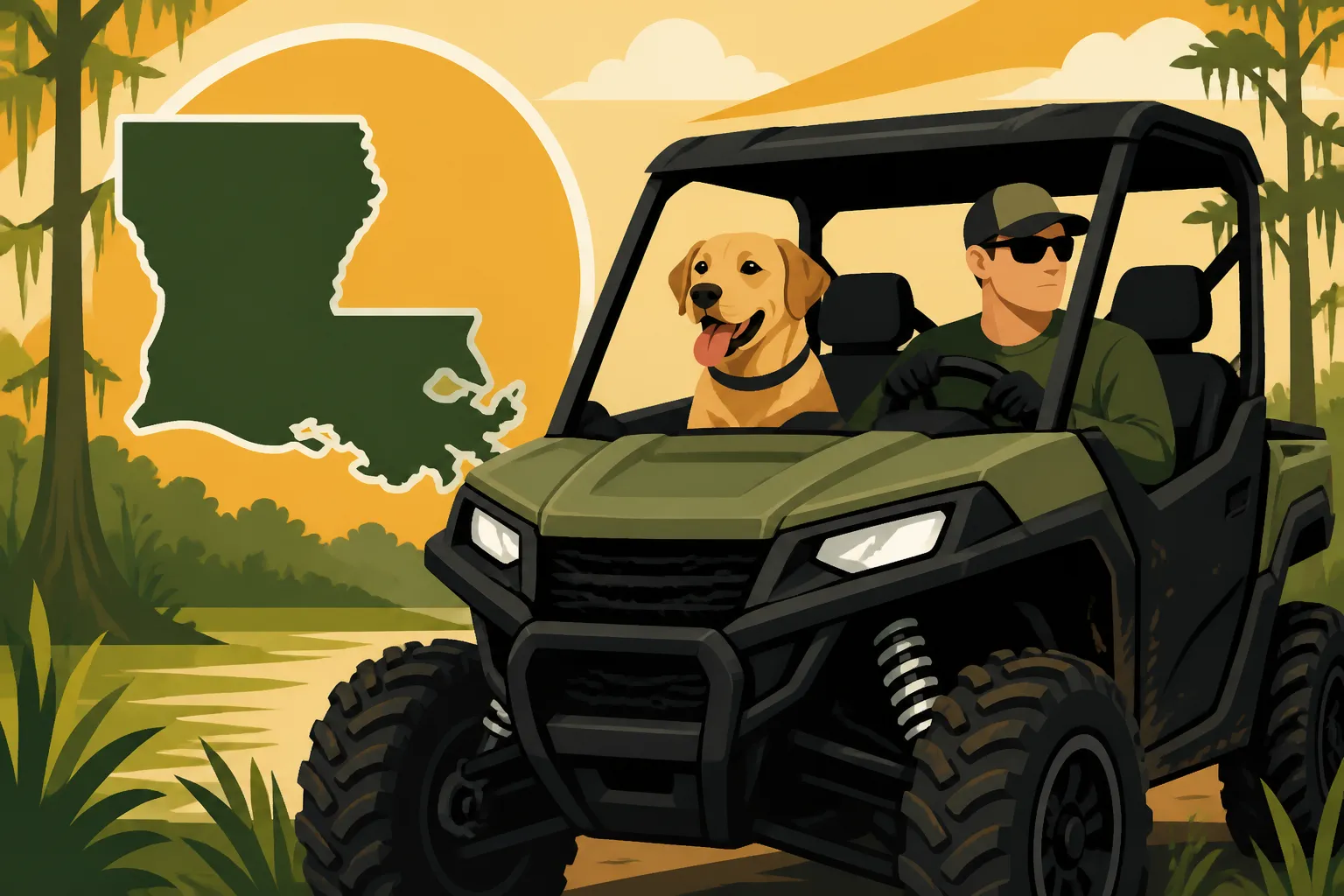
- Passenger Seat (with harness and tether): If your dog is well-behaved and calm, they might ride in the passenger footwell or seat, but only if they are in a crash-tested harness and securely tethered to a seatbelt anchor point. They must not be able to interfere with the driver or controls.
- ATVs:
- This is far more challenging and generally not recommended for the dog's safety. There's no enclosed space. If absolutely necessary for a very short, slow trip on private land, a very strong, well-fitting harness with multiple attachment points, securely tethered to the front or rear rack, may be considered. However, the dog would be exposed to all elements, vibrations, and the risk of injury is extremely high. Never use an ATV to transport a dog at speed or on challenging terrain.
Important Note: The goal is to keep your dog inside the machine, safe and sound, not just "on" it.
Dealing with Unexpected Situations
Even with the best preparation, things can go wrong. Be ready:
- Emergency Braking/Turns: Practice gentle braking and turning with your dog onboard. Sudden movements can injure an unprepared animal.
- Breakdowns: If your machine breaks down, you might be stranded. Ensure your dog has enough water, shade, and can stay calm while you troubleshoot or wait for help.
- Injuries: Carry a pet first-aid kit and know how to use it. If your dog gets injured, have a plan for how to safely transport them to veterinary care. Keep a trusted vet's number programmed in your phone.
- Lost Dog: Despite best efforts, a dog could get loose. Ensure your dog wears up-to-date ID tags and is microchipped. Carry a recent photo of your dog.
- Reactions to Wildlife/Other Riders: Some dogs react strongly to other animals or even other people on the trail. Your ability to control your dog in these situations is paramount to preventing incidents.
Riding with your dog can be a truly rewarding experience, strengthening your bond and adding a unique dimension to your off-road adventures. But it absolutely demands responsible planning, the right gear, and a deep commitment to your dog's safety and comfort. By taking the time to prepare and by choosing your riding locations wisely, you can create lasting, positive memories with your best friend on the trails of Louisiana.
| Consideration | Private Land (with permission) | Public Land (WMA/Kisatchie) | Public Roads (ATV/UTV) |
|---|---|---|---|
| Legal Status | Generally permitted by owner | Highly restricted; leash laws | Generally prohibited |
| Pet Regulations | Owner's discretion | Strict leash laws; potential bans | Local animal control laws |
| Exposure to Traffic | Low | Low to moderate | High |
| Terrain Complexity | Variable | Variable, can be rough | Varies, potentially paved |
| Best for Small Dogs | Yes (in carrier/box) | Challenging | No |
| Best for Large Dogs | Yes (secured in UTV bed/box) | Challenging | No |
| Required Gear | Harness, tether, water, first aid | All above + specific WMA permits | Not recommended |
| SuperATV Product Fit | UTV cargo boxes, enclosures | UTV cargo boxes, enclosures | N/A |
Disclaimer
This article is for general informational purposes only and does not constitute professional advice. Laws, prices and regulations vary by location and change over time. Consult a qualified professional for guidance on your specific situation.