How to Get an Impounded Quad Released
Having your beloved quad or side-by-side impounded in Louisiana can feel like a punch to the gut. One minute you're riding, the next your machine is being hooked up and hauled away, leaving you stranded and wondering what just happened and, more importantly, how in the world you're going to get it back. This guide is here to walk you through the often-confusing and frustrating process of retrieving an impounded off-road vehicle in Louisiana, outlining the common reasons for impoundment and the steps you'll need to take to reunite with your machine.
Understanding Why Your Quad Was Impounded in Louisiana
Before you can even begin to think about getting your machine back, it's crucial to understand why it was impounded in the first place. The reason for impoundment dictates the complexity of the release process, the types of fines you might face, and how quickly you can act. Louisiana has specific rules for off-road vehicles, and deputies, troopers, and municipal police officers are well-versed in enforcing them.
Common Violations Leading to Impoundment
Many impoundments stem from riders simply not being aware of the rules, or choosing to disregard them. It's easy to think "it's just a dirt road," but that thinking can lead to a heap of trouble.
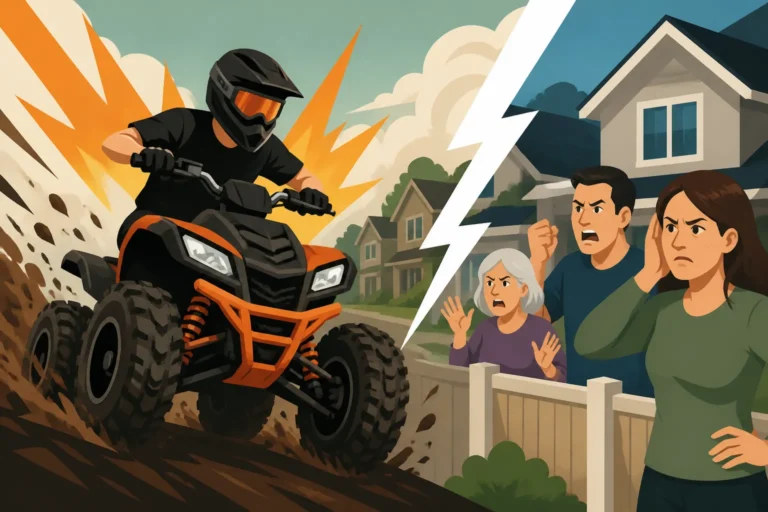
One of the most frequent reasons for impoundment in Louisiana is illegal road use or a missing decal. Louisiana law is pretty clear that ATVs and UTVs are generally not street-legal. While there are some very specific exceptions, like agricultural use within a limited radius or designated parish roads for UTVs, riding on public roads, highways, or even the shoulder without meeting these strict criteria is a surefire way to attract law enforcement attention. An officer seeing a quad on a paved road without the proper authorization, or without the required [Louisiana ORV Decals and Titles Explained], will often result in a citation and immediate impoundment. The cost of a towing and storage bill often pales in comparison to the financial hit from fines, court costs, and the sheer hassle of retrieving your machine. These are the situations where [Louisiana Penalties for Illegal Road Riding] really hit home, and it’s important to understand the severity.
Another serious offense that can lead to immediate impoundment is operating your ATV or UTV under the influence of alcohol or drugs. Just like driving a car, operating an off-road machine while impaired is illegal and incredibly dangerous. Law enforcement doesn't distinguish between a paved road and a dirt trail when it comes to DUI laws. If you're caught riding your quad or side-by-side while intoxicated, your machine will almost certainly be impounded, and you'll face severe legal consequences. It's a sobering reminder that [Louisiana DUI Law and Off-Road Machines] applies regardless of the terrain you're on, and this type of impoundment often comes with a longer hold on your vehicle.
Trespassing is another significant cause. This might not seem like a direct impoundment offense, but if you're caught riding on private land without permission, or even on public land where off-road vehicle use is prohibited, law enforcement can ticket you and have your machine removed. Property owners often have zero tolerance for unauthorized riding, and they're well within their rights to press charges. Ignorance of boundaries is rarely an excuse, so always know where you're riding and have permission if it's private land. The rules surrounding [Louisiana Trespass Law for Riders] are serious, and fines can be substantial.
Less common, but still possible, are impoundments due to a machine being reported stolen or having VIN issues. If the VIN doesn't match the title, or if the machine appears to be tampered with, law enforcement may impound it for investigation. This is a much more complicated situation, as it can involve forensic examination and a prolonged hold on your vehicle while authorities determine its legitimate ownership. This is one of the many reasons to ensure you have all your paperwork in order for [Louisiana Requires an Assigned Title for a Used One] when you buy a machine.
The Role of Law Enforcement in Impoundment
When it comes to impounding your off-road machine, several different agencies in Louisiana have the authority to do so. Louisiana State Troopers, parish sheriff's deputies, and even municipal police officers, depending on the location and specific ordinance, can initiate an impoundment. Their decision to impound, as opposed to simply issuing a ticket, often hinges on the severity of the violation, whether there's an immediate safety concern, or if the machine is creating a public nuisance.
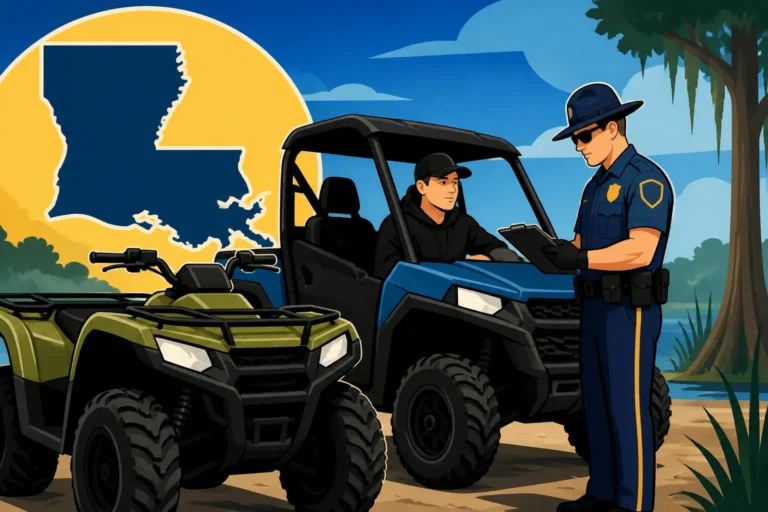
For instance, a State Trooper might be less inclined to let someone off with a warning if they're caught riding an ATV directly on a state highway, given the inherent danger to other motorists. A parish deputy patrolling a rural area might encounter an impoundable offense if a rider is tearing up private property or state-owned land. Officers have discretion, but serious infractions or repeat offenses almost always lead to an impound. It's important to remember that these officers are just doing their job, enforcing the laws designed to keep everyone safe and protect property. They are also within their rights to ask for specific documentation, which is why understanding [What a Louisiana State Trooper Can Ask to See] is so important.
The legal authority for impoundment often comes from state statutes or local ordinances. These laws grant law enforcement the power to remove vehicles that are illegally parked, involved in a crime, or pose a public safety hazard. For off-road vehicles, this usually ties back to illegal operation on public roads, trespassing, or operating while impaired. The officer on the scene will make the initial determination, and once the tow truck is called, the clock starts ticking on storage fees.
The Immediate Steps After Your Quad Is Impounded
Okay, your quad is gone. Panic might be setting in, but taking immediate, calm steps can save you time, money, and a lot of headaches down the road. The sooner you act, the better, as daily storage fees can quickly mount up.
Gathering Information at the Scene
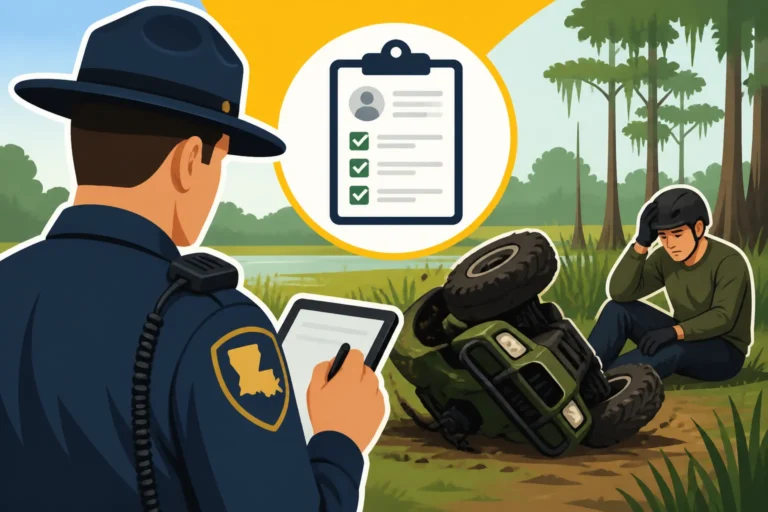
If you were present when your quad was impounded, this is your crucial window to gather vital information. Don't let your frustration prevent you from asking important questions. First and foremost, get the name and badge number of the officer who initiated the impoundment. This is your point of contact for any follow-up questions or disputes. They might not be the one releasing your machine, but they are key to understanding the initial situation.
Next, clearly ask for the specific reason for the impoundment. Was it an illegal road use violation? Suspected stolen vehicle? Trespassing? Having a clear understanding of the stated reason will guide your next steps. You should also inquire about the impound lot where your machine is being taken. Knowing the name and location of the towing company or impound facility is absolutely essential. Don't assume they'll just drop it off anywhere; get the exact address.
Finally, confirm if any citations were issued. An impoundment is often accompanied by tickets for the underlying offense. Get copies of these citations, or at least note the citation numbers and the specific violations. These will need to be addressed before your machine can be released, or in conjunction with the release process. Ignoring the tickets will only compound your problems and could lead to further legal issues down the line. Knowing about potential [Louisiana Ticket Costs for Road Riding] is important for budgeting.
Initial Contact with the Impound Lot and Authorities
Once the immediate situation is handled and you know where your quad is, your next step is to start making phone calls. Your very first call should be to the impound lot itself. Ask them about their operating hours, what specific documents they require for release, and, most importantly, their towing and daily storage fees. These fees are non-negotiable and will need to be paid in full before your machine is released. Be prepared for a shock – these charges add up quickly, especially if your quad sits there for several days.
Simultaneously, you’ll want to contact the law enforcement agency that initiated the impoundment – whether it's the local police department, sheriff's office, or State Police. They can confirm the impoundment, provide any necessary authorization forms for release, and explain the process for resolving any outstanding citations. Sometimes, you'll need a "release form" or official permission from the agency before the impound lot will even talk to you about retrieving your vehicle.
It’s critical to understand that the clock is ticking. Every day your quad or UTV spends in the impound lot accrues more storage fees. What might start as a few hundred dollars can quickly turn into thousands. Procrastinating only makes the financial burden heavier. Be proactive, gather your documents, and prepare to move quickly to get your machine back.
Navigating the Release Process and Costs
Getting your impounded quad or UTV released in Louisiana is a multi-step process that requires specific documentation and the payment of various fees. It’s not simply a matter of showing up and asking for your machine back. You'll need to prove ownership, resolve any legal issues, and settle all associated costs.
Required Documentation for Release
The impound lot and the issuing law enforcement agency will require specific documents to verify you are the rightful owner and are legally entitled to retrieve the machine. The most critical document is proof of ownership. For a new machine, this means the Manufacturer's Statement of Origin (MSO) or a title. For a used machine, you'll need the properly assigned title in your name. If you bought it recently and haven't titled it yet, you might need the original bill of sale along with the previous owner's signed title. The OMV is very particular about this, so ensure your paperwork is impeccable. [Louisiana Photo ID at the Counter] will also be necessary to confirm your identity.
In addition to proof of ownership, you'll also need a valid government-issued photo identification, such as a driver's license or state ID card. The name on your ID must match the name on the ownership documents. If your machine was impounded for road use violations, or if you plan to operate it legally on designated roads (for UTVs), you might also need to show proof of current liability insurance. While ATVs are rarely legally allowed on public roads, UTVs have some exceptions where insurance is mandated. Knowing your [Louisiana UTV Insurance Minimums] or general [Louisiana Insurance Proof on Demand] is important if your machine was involved in a road-related incident.
Sometimes, if the impoundment was tied to a major violation, the law enforcement agency might issue a specific "release form" or authorization that you must present to the impound lot. Without this form, the impound lot won't release your vehicle, even if you have all the other documents and cash in hand. Always confirm with the police or sheriff's office if such a form is required before heading to the impound lot.
Understanding and Paying Fees
This is often where the real pain of impoundment hits: the costs. There are typically several layers of fees you'll need to cover, and they can add up very quickly.
The first major fee is the towing charge. This is what the tow company charges to hook up and transport your quad from the point of impoundment to their lot. This is usually a flat fee, but it can vary based on distance. Then come the storage fees. These are daily charges that accumulate every single day your machine sits in the impound lot. These fees can range from reasonable to exorbitant, and they are why prompt action is so important. A quad left for a week could easily rack up hundreds of dollars in storage fees alone, sometimes exceeding the machine's value.
Beyond the tow and storage, some impound lots may have their own administrative fees. These are often charged for processing paperwork or simply for the hassle of dealing with impounded vehicles. On top of all this, you'll need to address any fines or court costs associated with the citations issued at the time of impoundment. For example, if you received a ticket for [Louisiana Penalties for No Decal] or [Louisiana Ticket Costs for Road Riding], those will need to be paid. In some cases, the impound lot won't release your machine until they receive confirmation from the court or law enforcement agency that the tickets have been paid or otherwise resolved.
Payment methods vary, but most impound lots accept cash, major credit cards, or certified checks/money orders. It's always a good idea to call ahead and confirm their accepted payment methods and whether they require exact change or specific forms of payment. Do not assume they take personal checks. Remember, these fees are typically non-negotiable and must be paid in full before your machine is released.
Inspecting Your Quad and Avoiding Future Issues
Before you even drive your quad off the impound lot, take a moment to perform a thorough inspection. Check for any new damage that might have occurred during towing or while it was stored at the lot. Take photos of any pre-existing damage, and definitely document anything new. If you find significant damage that wasn't there before, report it to the impound lot staff immediately and get their response in writing. While not every scrape is their fault, blatant damage caused by their handling should be addressed.
Once your quad is safely back in your possession, it’s time to take proactive steps to prevent a repeat performance. If the impoundment was due to illegal road use, commit to understanding and following Louisiana's specific laws regarding off-road vehicles. Familiarize yourself with regulations like [Louisiana ATV Road Rules Under 32:299] and [Louisiana UTV Road Rules Under 32:299.3]. Ensure you have the proper decals and titles, and if you plan on riding on designated UTV roads, ensure your machine meets all equipment requirements, such as lighting, mirrors, and appropriate tires.
Consider upgrading your machine with accessories that enhance compliance and safety. For instance, if you're riding a UTV that has limited street-legal exceptions, adding turn signals or a horn kit from a reputable company like SuperATV can help ensure you meet local requirements. If you intend to stay strictly off-road, invest in a quality GPS unit or trail mapping app to ensure you don't accidentally stray onto prohibited public roads or private land. Understanding your local ordinances and having the right gear, perhaps even from SuperATV, can make all the difference in staying out of trouble.
What If You Can't Immediately Get Your Quad Back?
Sometimes, getting your impounded quad or UTV back isn't a straightforward process. There might be legal holds, investigations, or financial hurdles that delay its release, pushing you into a more complicated and potentially costly situation.
Dealing with Legal Holds or Investigations
In certain circumstances, law enforcement might place a "legal hold" on your impounded machine. This means that even if you're ready to pay the towing and storage fees, the impound lot cannot release your vehicle until the investigating agency lifts the hold. Common reasons for a legal hold include situations where the quad is suspected of being stolen, was involved in a serious accident, or is evidence in a criminal investigation, such as a DUI/DWI case.
If your quad has a legal hold, you will need to communicate directly with the law enforcement agency (police, sheriff, or State Police) that placed the hold. They will inform you of the reason and the steps required to get the hold lifted. This could involve an investigation period, providing additional documentation to prove ownership, or awaiting the outcome of a court case. During this time, storage fees will continue to accumulate, which can be incredibly frustrating. It's advisable to seek legal counsel if your quad is held as evidence or if you're facing significant charges related to the impoundment. An attorney can help navigate the legal system and potentially expedite the release of your vehicle.
You also have the right to contest an impoundment if you believe it was unlawful or unjust. This typically involves filing a petition or appearing in court to argue your case. Be aware that this process can be lengthy and may require legal representation. While challenging the impoundment, storage fees will still accrue, so weigh the potential costs and benefits carefully before pursuing this route.
Abandonment and Auction Scenarios
What happens if you simply can't afford the fees, or if the cost of retrieval exceeds the value of your quad? Unfortunately, this is a harsh reality for some owners. Impound lots are not charities, and they cannot store vehicles indefinitely without payment. Louisiana law provides a process for impounded vehicles to be declared abandoned if they are not claimed within a certain timeframe.
Once a vehicle is deemed abandoned, the impound lot can petition the state for a title and then sell the machine at auction to recover their costs. The timeframe for this can vary, but typically, after 30 to 60 days of non-payment, the process can begin. The financial implications of letting your quad go to auction are significant. Not only do you lose your machine, but you might also still be responsible for any outstanding fines or court costs, and potentially the difference between what the auction fetches and what was owed to the impound lot.
It's a difficult decision, but sometimes cutting your losses and allowing a machine with very little value to be auctioned off might be more financially prudent than paying thousands in fees for an old, beat-up quad. However, for most owners, the goal is always to retrieve their property. Understand the timeline for abandonment and communicate with the impound lot if you are experiencing delays or financial hardship. They might not be able to waive fees, but understanding the process can help you make informed decisions.
Here’s a quick overview of common impoundment scenarios:
| Reason for Impoundment | Common Fines/Costs | Required Action | Potential Delays |
|---|---|---|---|
| Illegal Road Use | Towing, daily storage, traffic citations | Pay fines, show proof of ownership/ID, retrieve machine | Processing tickets, obtaining release authorization |
| DUI/DWI | Towing, daily storage, criminal charges | Legal process, bail, proof of ownership/ID | Police hold for evidence, court proceedings |
| Trespassing | Towing, daily storage, trespassing fines | Pay fines to landowner/court, show proof of ownership/ID | Landowner authorization, court appearance |
| Stolen/VIN Issues | Towing, daily storage (if cleared) | Prove ownership (title, bill of sale, MSO), VIN verification | Police investigation, forensic checks |
| No Decal/Registration (if applicable) | Towing, daily storage, OMV fines | Pay fines, obtain decal/registration, show proof of ownership/ID | OMV processing, sales tax verification |
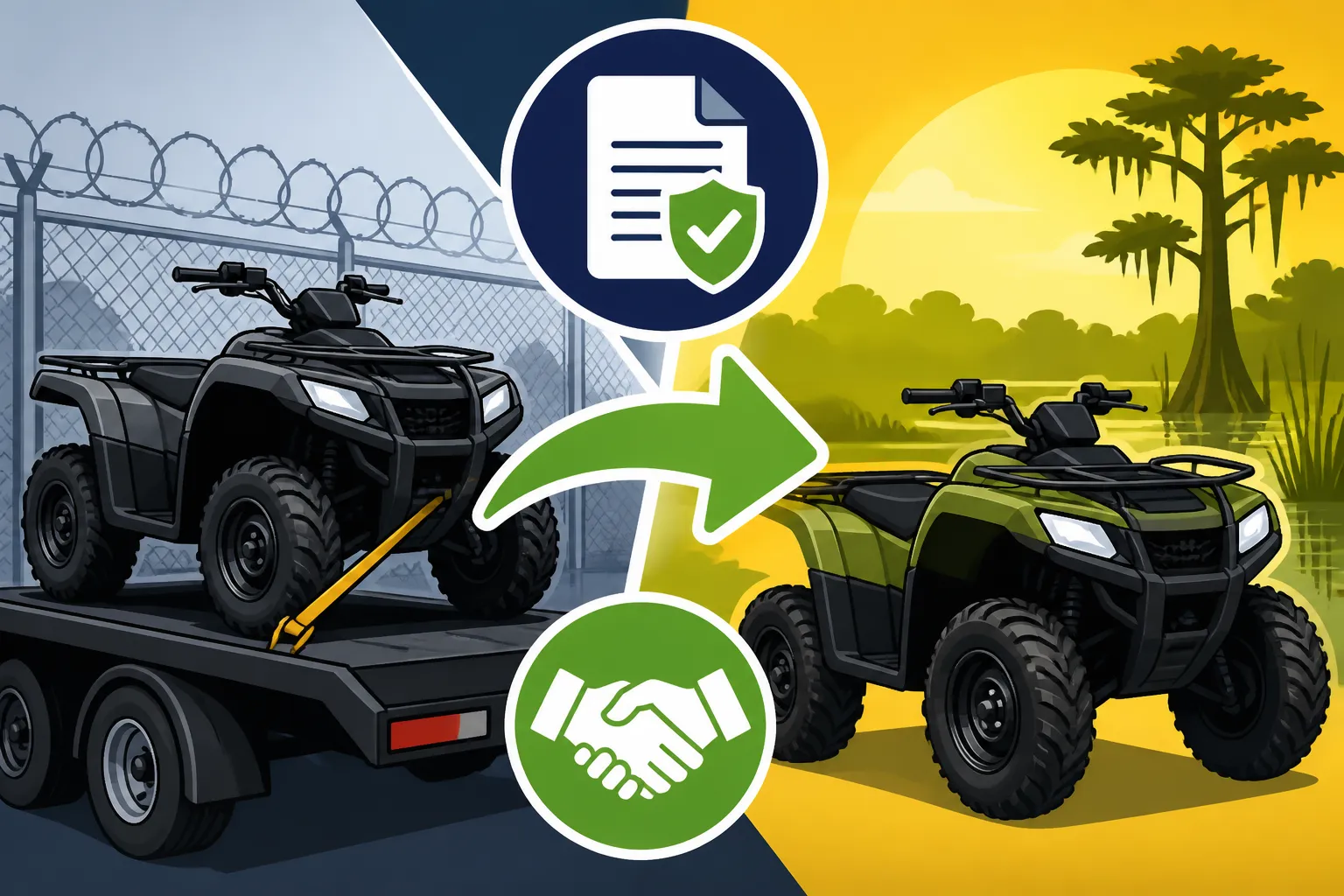
Navigating an impounded quad situation in Louisiana requires prompt action, clear communication, and a thorough understanding of the requirements. By following these steps, you can increase your chances of a swift and successful reunion with your machine, and hopefully, avoid similar situations in the future by staying compliant with all state and local regulations.
Disclaimer
This article is for general informational purposes only and does not constitute professional advice. Laws, prices and regulations vary by location and change over time. Consult a qualified professional for guidance on your specific situation.