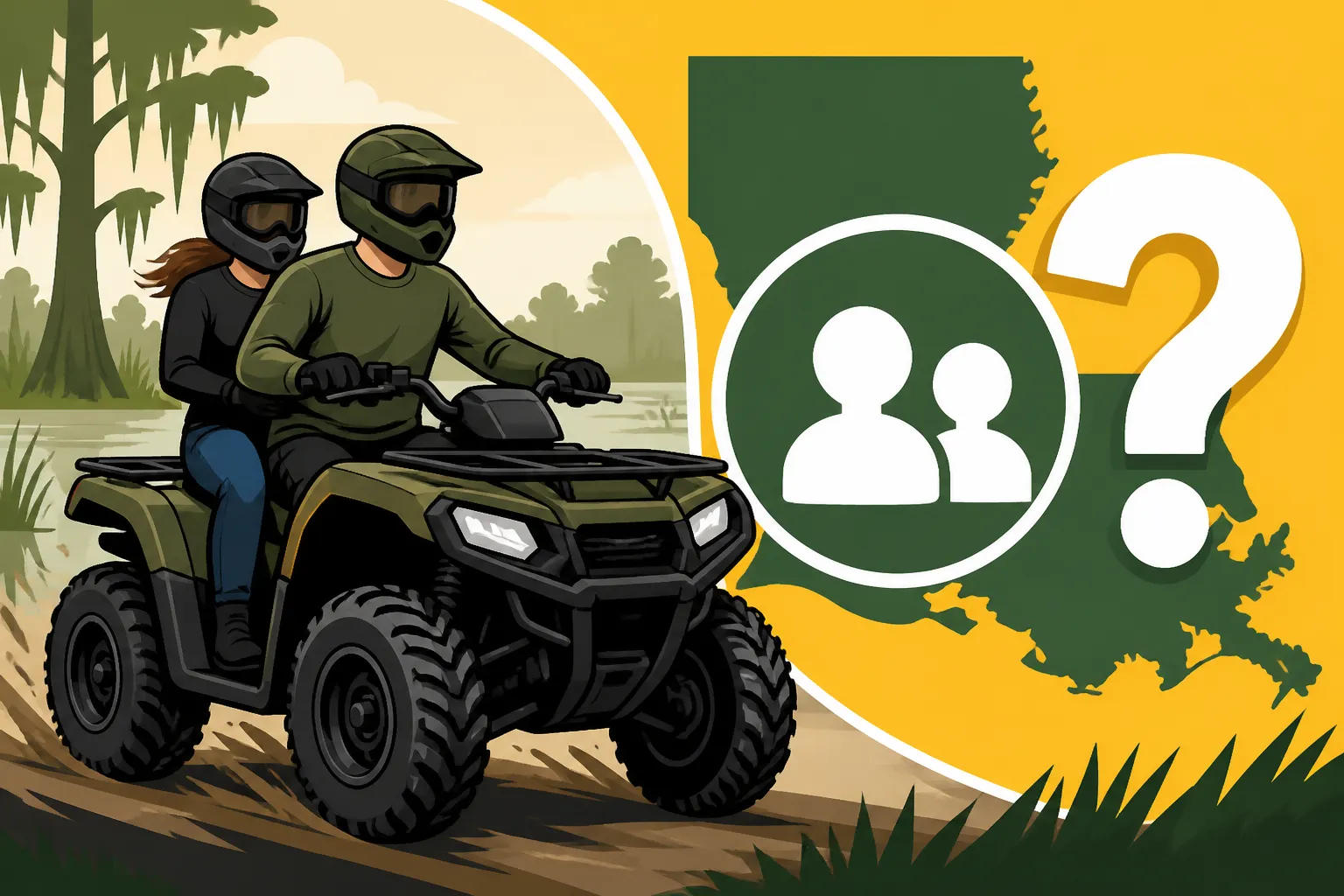
Can You Carry a Passenger on a Louisiana ATV?
It's a question that comes up all the time, especially when you're heading out for a day of trail riding or working around the property: "Can I bring a buddy along on my ATV or UTV?" The rules in Louisiana can feel like a tangled mess of regulations, often leaving riders confused and risking a costly ticket or, worse, an unsafe situation. This guide will break down Louisiana's specific laws regarding passengers on both ATVs and UTVs, help you understand the critical safety considerations, and clarify what you need to know to stay legal and safe on the trails or out in the fields.
Understanding Louisiana's ATV Passenger Rules
Let's face it, many of us grew up riding ATVs that were clearly designed for one person, yet we squeezed a friend on the back. While those days might be filled with nostalgic memories, the legal landscape in Louisiana, and the safety recommendations, have evolved considerably. It’s crucial to understand that an ATV, by its very design and legal definition, is often intended for a single operator.
The "No Passenger" Default for ATVs
The general rule of thumb for ATVs in Louisiana is straightforward: one rider, one machine. Most conventional, single-rider ATVs are not built to safely accommodate a passenger. Think about the ergonomics: the seat is designed for a single person to shift their weight for balance and control, especially when navigating turns, bumps, or inclines. Adding a second person throws off that delicate balance, making the machine much harder to control and significantly increasing the risk of an accident. This isn't just about comfort; it's about the fundamental physics of how an ATV operates and responds to rider input.
When you're out on a trail, the ability to quickly shift your body weight is essential for managing traction, steering, and stability. A passenger, even a small one, cannot effectively participate in these weight shifts, turning them into dead weight that can exacerbate instability. This is why law enforcement and safety advocates universally advise against carrying passengers on ATVs not specifically designed for it, even on private land where the laws might seem less restrictive. The potential for a rollover or loss of control increases dramatically with an unauthorized passenger.
Exceptions to the Rule: Designed for Two?
Now, before you think all ATVs are single-rider only, there's an important distinction to make. Louisiana law, like many states, acknowledges that some ATVs are manufactured specifically to carry more than one person. These are often referred to as "two-up" ATVs or tandem models. The key here is the manufacturer's design. If an ATV left the factory with a seat and footpegs clearly intended for a passenger, and it's explicitly stated in the owner's manual or on the machine itself, then carrying a passenger is permissible.
These factory-designed two-up ATVs have a longer wheelbase, a larger and often stepped seat, and dedicated handholds and footrests for the passenger. Their suspension and chassis are engineered to handle the additional weight and different weight distribution. It's a significant engineering difference from a standard single-rider model. Before you allow a passenger on any ATV, always consult your owner's manual and look for clear manufacturer indications that the machine is designed for two. If it's ambiguous, assume it's a single-rider machine to be safe and legal.
The Myth of the "Extra Seat" Aftermarket Modification
Here's where many riders get into trouble, falling victim to a common misconception: if you can bolt on an extra seat, it must be okay. This couldn't be further from the truth, and it's a critical point for safety and legality. Aftermarket add-on seats, often sold as "passenger kits" or "rumble seats," do not magically transform a single-rider ATV into a legal or safe two-up machine.
These modifications, while seemingly convenient, do not alter the fundamental design characteristics of the ATV. The wheelbase remains the same, the suspension isn't recalibrated for the added weight and higher center of gravity, and the braking system isn't enhanced to stop a heavier machine. Essentially, you're putting a band-aid on a structural issue. Law enforcement officers are well-versed in spotting these modifications, and they understand that such additions typically violate the spirit and letter of the law regarding ATV passenger limits. What might seem like a practical solution from a vendor like SuperATV for carrying gear, could lead to a citation if used for passenger transport on an ATV not designed for it. Always prioritize manufacturer design and safety over aftermarket convenience when it comes to carrying people.
Louisiana's UTV Passenger Rules: A Different Story
While ATVs have strict limitations when it comes to passengers, Utility Terrain Vehicles (UTVs), also known as side-by-sides, offer a much more accommodating experience. Their very design concept centers around carrying multiple occupants and cargo, making them a popular choice for families, work crews, and group adventures.
Factory Seating and Seatbelt Requirements
The biggest difference between ATVs and UTVs concerning passengers lies in their fundamental design. UTVs come from the factory equipped with multiple seats, typically bench-style or bucket seats, and individual seatbelts for each designated seating position. Louisiana law, recognizing this design, permits passengers in a UTV as long as they are seated in a manufacturer-installed seat and properly secured with a seatbelt. This is a crucial distinction: if the UTV has three factory seats and three seatbelts, you can legally carry two passengers plus the driver.
The number of passengers you can carry is directly tied to the number of factory-installed seating positions. You shouldn't try to squeeze an extra person into a seat designed for one, nor should you allow someone to ride in the cargo bed unless it's specifically designated and equipped by the manufacturer for passenger use (which is rare in most recreational UTVs). Always respect the seating capacity clearly indicated by the manufacturer, ensuring every occupant has their own seat and seatbelt. Products from companies like SuperATV offer many accessories for UTVs, but none of these should ever be used to create additional passenger seating beyond what the factory intended.
Age Restrictions for UTV Passengers
While Louisiana has specific [Louisiana Requires UTV Drivers to Be 21] for operating a UTV on designated public roads, there aren't explicit age restrictions for passengers in UTVs in the same way there are for drivers. However, common sense and safety guidelines dictate that passengers, especially children, must be able to sit upright, reach the floorboards, and be properly secured by the seatbelt system. A child too small to fit snugly in a seatbelt is not a safe passenger, regardless of the law.
Parents and guardians bear the primary responsibility for ensuring the safety of any child riding as a passenger. This means making sure they are mature enough to follow instructions, keep their hands and feet inside the vehicle, and remain seated. For very young children, car seats or booster seats are not typically designed for UTV use and may not be safe due to the different forces and lack of proper attachment points. Always consider the child's size, maturity, and the terrain you'll be riding on before allowing them to ride as a passenger.
Why UTVs Are More Passenger-Friendly Than ATVs
UTVs are inherently more passenger-friendly due to their car-like architecture. They typically have a lower center of gravity, a wider stance, and four wheels, all contributing to greater stability than a traditional ATV. The roll cage provides a level of protection, and the side-by-side seating arrangement allows passengers to remain upright and secure without needing to actively lean or shift their weight with the driver. This makes for a more comfortable and, crucially, a safer experience for all occupants.
Many UTVs also come with additional safety features like doors or nets, which help keep passengers contained within the vehicle during turns or bumps. Their design allows for carrying gear and people without compromising the vehicle's stability or the operator's control as significantly as an overloaded ATV might. This is why UTVs are often the preferred choice for group outings, hunting trips, or when you need to transport family members safely across varied terrain.
Safety Considerations for Carrying Passengers
Regardless of whether you're riding an ATV designed for two or a multi-passenger UTV, safety should always be your absolute top priority. The thrill of off-road riding comes with inherent risks, and adding passengers only amplifies the need for vigilance and proper precautions.
Essential Safety Gear for All Riders
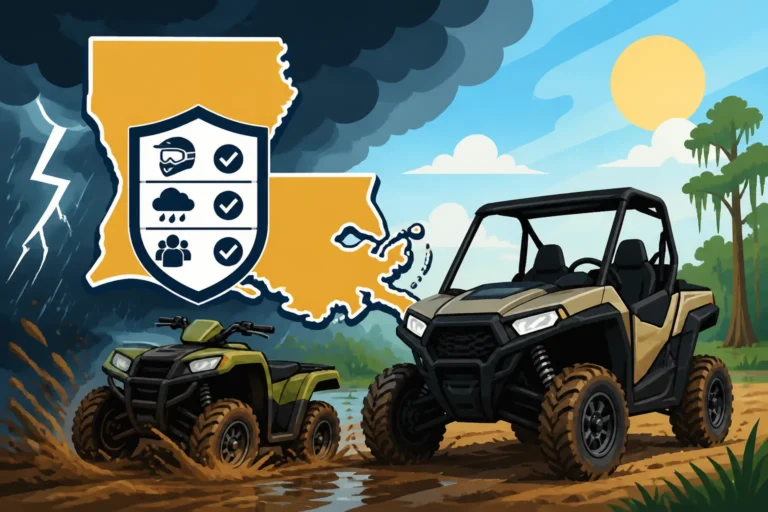
Everyone on an ATV or UTV, driver and passenger alike, needs appropriate safety gear. A properly fitted helmet is non-negotiable in Louisiana. While some might argue about it, the fact is that a helmet can be the difference between a minor bump and a life-altering injury in an accident. Look for helmets certified by DOT (Department of Transportation) and ensure it fits snugly. [Louisiana ATV Helmet Rules] and [Louisiana UTV Helmet Rules] are in place for a reason – they protect you.
Beyond helmets, consider eye protection (goggles or a helmet with a face shield), sturdy over-the-ankle boots, gloves, and long pants and sleeves. These items protect against flying debris, branches, and offer a layer of abrasion resistance in the event of a fall or impact. Think of it as investing in your, and your passenger's, well-being. Good gear can prevent minor scrapes from becoming serious injuries and protect you from the elements during your ride.
The Importance of Rider Experience and Terrain
When you carry a passenger, you're not just responsible for your own safety, but for theirs as well. This means your experience level as a driver becomes even more critical. If you're a novice rider, or if you're taking a machine onto unfamiliar or challenging terrain, it might not be the best time to have a passenger. Your ability to react quickly and precisely is diminished when you're also managing the weight and presence of another person.
Before you head out, carefully assess the terrain. Are there steep hills, deep ruts, tight turns, or potential water crossings? Riding with a passenger, especially an inexperienced one, requires you to dial back your speed and approach obstacles with even greater caution. Communicate with your passenger, letting them know what to expect and instructing them to keep their hands and feet inside the vehicle and remain seated. Their cooperation is key to maintaining stability and preventing accidental injury.
How Machine Modifications Impact Passenger Safety
Modifying an off-road machine is a popular pastime for many enthusiasts. Lift kits, larger tires, enhanced suspension components, and engine performance upgrades are common. However, any modification, especially those that alter the vehicle's height, weight, or handling characteristics, can have a profound impact on passenger safety. A lift kit, for instance, raises the center of gravity, making a UTV more prone to rollovers, particularly with the added weight of passengers.
It's vital to choose modifications wisely and ensure they are installed correctly and are compatible with carrying passengers. Always verify that any aftermarket parts, even from reputable brands like SuperATV, do not compromise the original safety design of your vehicle. If you've significantly altered your machine, consider how those changes might affect its stability and handling, especially with an increased load. If you're unsure, it's always best to consult with a professional or the manufacturer before venturing out with passengers.
Legal Ramifications of Violating Passenger Rules
Ignoring Louisiana's passenger laws isn't just a safety risk; it can also lead to significant legal and financial consequences. The state takes these regulations seriously, primarily because they are in place to prevent accidents and injuries. Getting caught with an illegal passenger can turn a fun day into a very expensive and stressful ordeal.
Fines and Penalties for Illegal Passengers
If a law enforcement officer, such as a state trooper or a parish deputy, observes you operating an ATV or UTV with an unauthorized passenger, you can expect to receive a citation. The specific fines can vary depending on the parish and the officer's discretion, but they are often substantial. These aren't just slap-on-the-wrist warnings; they can be hefty tickets that drain your wallet. Beyond the monetary fine, you might also face court costs, which can quickly double or triple the initial penalty.
In some cases, especially if the operation is deemed reckless or if a minor is involved, the penalties could escalate beyond a simple ticket. Repeated offenses or operating in a particularly dangerous manner could even lead to your machine being impounded. Remember, these laws are designed to protect everyone, and officers are trained to enforce them to prevent serious accidents. Familiarize yourself with [Louisiana Penalties for Illegal Road Riding] which often encompass passenger violations on public thoroughfares, and remember that even on private property open to the public, these rules may still apply.
Insurance Implications After an Accident
This is perhaps one of the most overlooked, yet most critical, consequences of violating passenger rules. If you're involved in an accident while carrying an illegal passenger, your insurance company may deny coverage for any injuries or damages. Insurance policies are written based on the vehicle's intended use and design, and if you're operating it outside of those parameters, you've essentially voided certain aspects of your coverage.
Imagine a scenario where your ATV, with an illegal passenger, rolls over, and your passenger sustains a serious injury. If your insurance company denies the claim, you could be held personally liable for all of their medical bills, lost wages, and any other damages. This could amount to hundreds of thousands of dollars, completely bankrupting you. It's a risk simply not worth taking. Always review your policy details and understand the terms regarding passenger coverage, especially if you're riding with someone on a machine that isn't factory-designed for multiple riders.
The Role of Law Enforcement on Public and Private Land
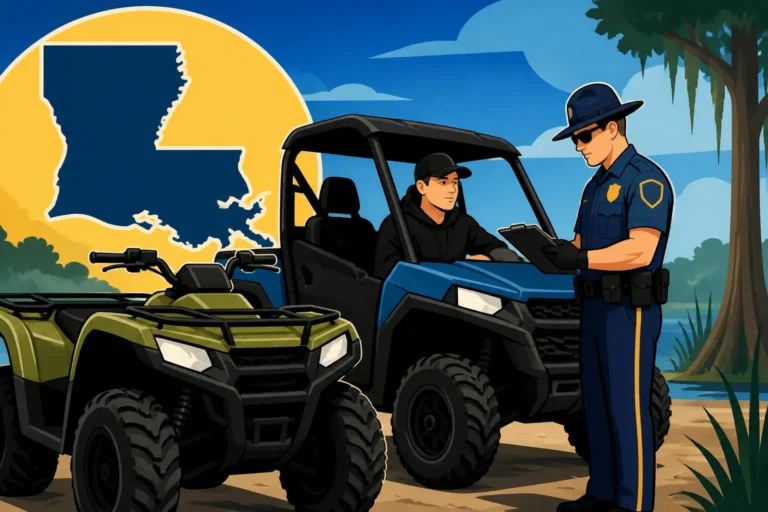
Understanding where law enforcement can intervene is key. On public roads, designated trails, or state-managed recreation areas, officers have full jurisdiction to enforce all ATV and UTV laws, including passenger regulations. They are looking for unsafe riding practices, and carrying an illegal passenger certainly falls into that category. You should always be prepared to provide [Louisiana Insurance Proof on Demand] and proper identification if pulled over.
On private land, the situation can be a bit more nuanced. If the private land is accessible to the public (like a private mud park or a commercial trail system), then state and local laws often still apply, and law enforcement can enforce them. Even if the land is strictly private and not open to the public, if an accident occurs and emergency services are called, an investigation will follow, and violations of safety laws, like carrying an illegal passenger, could lead to legal action or insurance issues. Ultimately, safety and legality should govern your actions regardless of the specific parcel of dirt you're riding on.
Special Scenarios and Common Questions
The world of off-road riding is full of unique situations, and questions about carrying passengers pop up in all kinds of contexts. Let's delve into some specific scenarios and common queries that riders in Louisiana frequently have.
Carrying Children on ATVs and UTVs
When it comes to children, the stakes are even higher. Louisiana does not have a mandatory ATV safety course, but resources like the [Louisiana LSU AgCenter Safety Program] offer valuable education. For ATVs, the rule remains: if it's not a factory two-up machine, a child should never ride as a passenger. Their small size and inability to properly brace themselves or shift weight make them incredibly vulnerable. This is true even for short distances or at low speeds. The risk of them being thrown off or causing the ATV to become unstable is simply too great.
For UTVs, children can generally ride as passengers provided they meet the basic safety criteria mentioned earlier: they must be able to sit upright, reach the floor, and be properly secured by the seatbelt. Avoid any situation where a child is standing, riding on someone's lap, or not fully secured. Many UTVs, especially newer models, have adjustable seats and harnesses that can better accommodate younger passengers, but always ensure a snug and safe fit. If your UTV is an older model or has limited seating options, consider if it's truly appropriate for carrying very young children.
Passenger Rules on Private Property vs. Public Land
This is a frequently debated topic among riders. The assumption is often that "my land, my rules." While you have more freedom on strictly private property that is not open to the public, it's critical to understand that state laws, especially those related to safety and negligent operation, can still apply. For instance, if you operate an ATV recklessly with an illegal passenger on your own land and an accident occurs, you could still face legal repercussions and certainly insurance challenges.
On public lands, like the Kisatchie National Forest trails or even designated parish roads, state laws are unequivocally enforced. This includes rules on passengers. If you're visiting a private mud park, always check their specific [Louisiana Private Park Waivers and Rules]. Most private parks will adhere closely to state laws regarding passengers for their own liability protection, and they will likely have their own explicit rules about who can ride where, and with how many people. Always err on the side of caution and safety, regardless of the land ownership.
Out-of-State Riders and Louisiana's Laws
For our friends visiting from Texas, Mississippi, Arkansas, or beyond, Louisiana's laws apply once you cross the state line. It doesn't matter if your home state has different regulations regarding passengers on ATVs or UTVs; when you're riding in Louisiana, you must abide by Louisiana's statutes. This includes passenger rules. A machine that might be legally allowed to carry an extra person in your home state might not be here, especially if it's an ATV modified with an aftermarket seat.
Always make it a point to research the local laws before you tow your machine into a new state. Ignorance of the law is rarely accepted as an excuse. This also applies to other rules, such as helmet laws, age restrictions for drivers, and requirements for titling or decals. A good rule of thumb is to always follow the stricter of the two states' laws (yours or Louisiana's) to ensure you remain compliant and safe.
Here's a quick reference table summarizing the key differences for passengers in Louisiana:
| Feature | ATV (All-Terrain Vehicle) | UTV (Utility Terrain Vehicle / Side-by-Side) |
|---|---|---|
| Default Passenger Rule | Generally, no passengers unless factory-designed for two. | Passengers permitted in manufacturer-installed seats. |
| "Two-Up" Models | Specific models designed by the manufacturer with a longer seat and extra footrests are allowed. | All multi-seat UTVs are designed for passengers, up to the factory-designated capacity. |
| Aftermarket Seats | Not legally permitted to carry passengers on a single-rider ATV. Highly unsafe. | Not applicable for adding seating capacity; focus is on using existing factory seats. |
| Seatbelts | Not typically present on single-rider ATVs. Two-up models may have some form of backrest/grab bars. | Required for every passenger in every designated seating position. |
| Stability | Inherently less stable with a passenger; requires active rider weight shift. | More stable due to wider stance, lower center of gravity, and multi-wheel design. |
| Roll Protection | None, relies on rider body mechanics and quick dismount. | Features a roll cage for occupant protection. |
| Age Restrictions | Drivers have age restrictions; passengers on legal two-up ATVs should be able to hold on safely. | Drivers have age restrictions (e.g., [Louisiana Requires UTV Drivers to Be 21] for road use); passengers should be properly secured. |
| Safety Gear | Helmet, eye protection, sturdy footwear, long clothes for all. | Helmet, eye protection, sturdy footwear, long clothes for all. |
Disclaimer
This article is for general informational purposes only and does not constitute professional advice. Laws, prices and regulations vary by location and change over time. Consult a qualified professional for guidance on your specific situation.