How a Town Designates a Street for UTVs
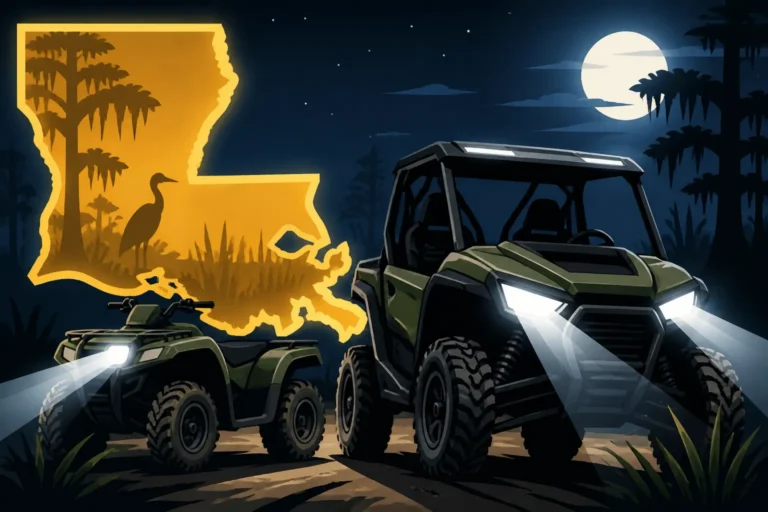
It can be incredibly frustrating to roll into a new town, or even just a neighboring community, with your UTV loaded up, only to wonder if you're actually allowed to ride it on the local streets. You see some folks doing it, but is it legal? Is there a special permit? It feels like every town has its own secret handshake when it comes to off-road vehicles. This guide is here to demystify that process, explaining exactly how a town in Louisiana goes about designating its streets for UTV use, and what that means for you as a rider.
The Frustration of Unclear UTV Rules in Town
Let's be honest, trying to navigate the rules for UTVs on public roads in Louisiana can feel like an endless game of whack-a-mole. You might be perfectly legal out in the parish on a certain type of road, only to hit the city limits and find yourself in a completely different regulatory landscape. It's a common source of confusion and, frankly, annoyance for many riders who just want to enjoy their machines responsibly.
Why Town Rules Feel Like a Moving Target
The biggest reason for this feeling of inconsistency is that Louisiana's state laws, while providing a framework, often grant significant autonomy to local municipalities – parishes, towns, and cities – to set their own specific ordinances. This means that what flies in Oakdale might be strictly prohibited in Ville Platte, even if they're just a few miles apart. Imagine you're visiting a friend or heading to a local event, and you want to use your UTV to run to the corner store. One minute you're legally cruising down a gravel road, and the next you're pulling into a town where the rules suddenly change, leaving you wondering if you're about to get a ticket just for going to grab a cold drink. This patchwork of regulations makes planning a simple ride or even day-to-day errands a headache. You’re constantly asking yourself, "Can I actually ride here?"
The Local Control Dilemma
This variability isn't arbitrary; it stems from the principle of local control. Town councils and city aldermen are tasked with balancing the desires of UTV enthusiasts with concerns from other residents regarding noise, safety, and traffic flow. What works for a small, rural town with wide-open streets might not be appropriate for a bustling city center with heavy pedestrian traffic. These local bodies have the power to create, amend, or repeal ordinances that dictate where, when, and how UTVs can operate on their streets. This means that if you want to see UTVs legally allowed on streets in your town, the conversation often has to start right at your local town hall or city council meeting.
How Louisiana State Law Empowers Local Designation
While individual towns have a lot of say, their authority isn't unlimited. It all operates within the bounds set by state law. Louisiana's statutes provide the foundational permissions and restrictions, then hand off the specific implementation to local governments. This creates a clear path for towns to designate streets, but it also means they can't just make up rules that contradict the state's overarching framework.
Understanding Louisiana UTV Road Rules Under 32:299.3
The core of UTV road legality in Louisiana lies within [Louisiana UTV Road Rules Under 32:299.3]. This statute is crucial because it differentiates UTVs from ATVs when it comes to road use and provides the legal pathway for local governments to permit UTVs on certain streets. Essentially, the state says, "Yes, UTVs can be allowed on public roads, if certain conditions are met, and if local authorities decide to allow it." This is a critical distinction, as it means local towns aren't defying state law when they open up streets; they are acting within the state's legislative intent. The statute lays out broad requirements, such as minimum age for drivers, lighting, and insurance, which every town must respect.
The Formal Process: Council Votes and Ordinances
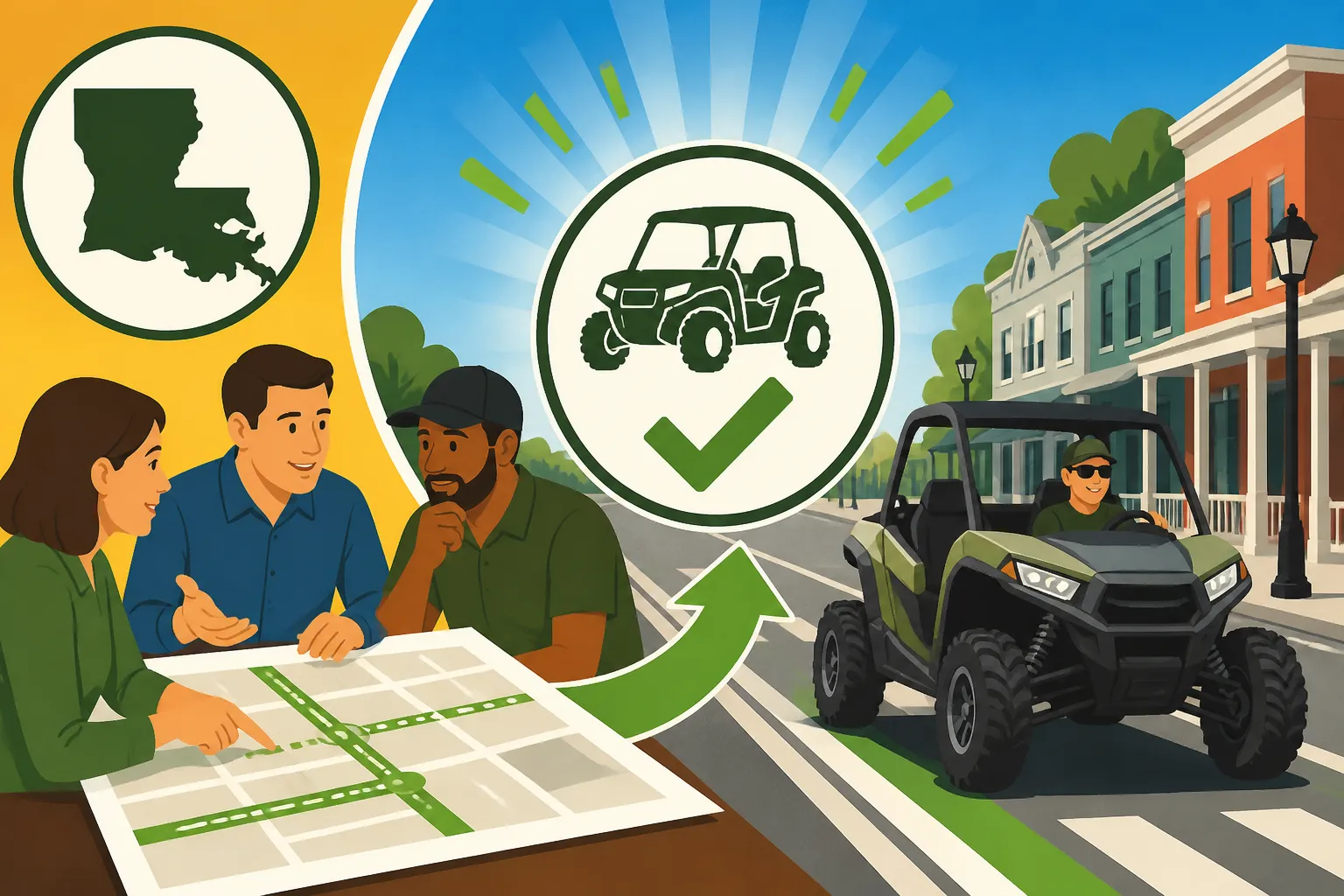
So, how does a town actually make a street "UTV legal"? It's not just an informal handshake or a verbal agreement. It's a formal, legislative process that requires action from the local governing body, whether that's a city council, town council, or police jury. First, there's usually a proposal, perhaps from a local resident, a UTV club, or even a council member, suggesting that certain streets be opened. This proposal then typically goes through public hearings, giving citizens a chance to voice their opinions, concerns, and support. This is your moment to speak up and make your case! After public input, the council will consider a resolution or, more commonly, draft an ordinance. This ordinance specifies which streets are designated, what hours of operation are allowed, what equipment is required, and any other local stipulations. Passing this ordinance requires a formal vote, making it a legally binding piece of local law. It's a deliberate process designed to ensure community input and legal soundness.
The Importance of Posted Signage
Once an ordinance is passed, the work isn't over. A town can pass all the ordinances it wants, but if nobody knows about them, they're not very effective. This is where signage comes in. For a street to be truly "designated," it must be clearly marked. Think of it like a speed limit sign; you need to be informed of the rule. Towns are typically required to post visible signs at the entry points to designated UTV routes, or along the specific streets where UTVs are permitted. These signs serve a dual purpose: they inform UTV riders that they are legally allowed to operate there, and they also inform other motorists and pedestrians to expect UTV traffic. Without these signs, even if an ordinance exists, it can lead to confusion for everyone and potential enforcement issues. Remember, the law generally requires that you know where you can and cannot ride, and [The Sign a Parish Has To Put Up First] illustrates the importance of this visual communication.
What Designated Streets Mean for UTV Riders
When a street is officially designated for UTV use, it opens up new possibilities for riders. However, it's crucial to understand that "designated" doesn't mean "anything goes." There are still important rules and limitations that riders must adhere to, designed to ensure safety for everyone on the road.
Legal Riding within Town Limits
On a designated street, you can finally enjoy the convenience of using your UTV for local errands, to get to a favorite fishing spot, or even just to cruise around and enjoy the scenery. This might include riding your [Louisiana Title for a Side-by-Side] to the local hardware store or a nearby restaurant. Towns often designate specific streets that connect residential areas to commercial zones or recreational facilities. Typically, these designated routes will have specific rules about speed limits (often lower than the posted car speed limits, sometimes 25 mph or less), hours of operation (daylight hours are common), and sometimes even restrictions on the type of UTV. It’s important to always adhere to these local specificities, in addition to state law. For example, you might be able to ride your UTV down Main Street to the ice cream shop, but only from 30 minutes after sunrise to 30 minutes before sunset. This makes your machine a more versatile tool for local transport, greatly enhancing its utility beyond just trail riding.
Limitations and Prohibitions
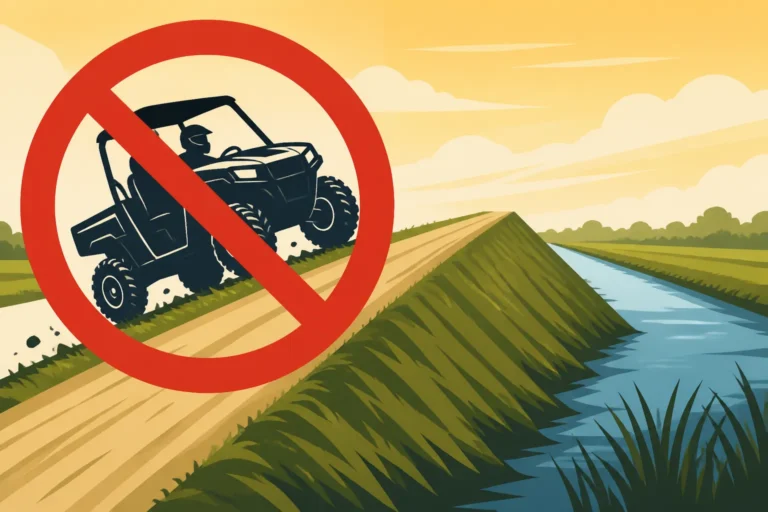
Even on designated streets, there are still significant limitations that UTV riders must respect. For instance, state law generally [Louisiana Bans ATVs From Interstates] and prohibits UTVs from travel lanes of public highways, unless specifically designated. This means you likely won't be taking your UTV on the I-10 or even a major state highway running through town. Designated streets are usually smaller, local roads, often within residential or less-trafficked areas. You're still sharing the road with cars, trucks, and sometimes even bicycles, so all standard traffic laws apply. Don't assume that because a street is designated, you can disregard stop signs, yield to pedestrians, or ignore basic road etiquette. The idea is to integrate UTVs safely into the existing traffic flow, not to give them special privileges that endanger others. Understanding these boundaries is key to enjoying your UTV legally and avoiding costly [Louisiana Penalties for Illegal Road Riding].
Age and Licensing Requirements
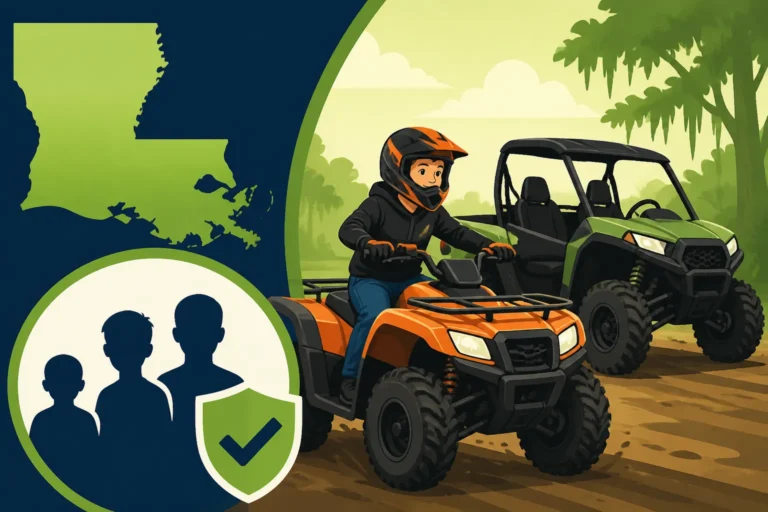
Riding a UTV on any public road in Louisiana, even a designated town street, comes with strict requirements for the operator. For UTVs, [Louisiana Requires UTV Drivers to Be 21] years of age. This is a higher age limit than for ATVs on non-road contexts, reflecting the UTV's role as a larger, potentially faster, and road-legal vehicle when permitted. Additionally, anyone operating a UTV on a public street must hold a valid [Louisiana Requires a Class E License] (the standard driver's license). This ensures that UTV operators have demonstrated basic knowledge of traffic laws and safe driving practices. These age and license requirements are non-negotiable and apply regardless of whether the street is designated or not. They are state-level mandates that local ordinances cannot override.
Finding Out Which Streets Are Designated (and Staying Legal)
Knowing how a town designates streets is one thing, but actually knowing which streets are designated in any given town is another. It's up to you as the rider to do your homework to ensure you stay legal and avoid unnecessary trouble.
Checking with Town Hall and Local Authorities
The most reliable way to find out which streets are designated for UTV use in a specific Louisiana town is to go straight to the source: the local authorities. Start by contacting the town or city clerk's office. They are the keepers of all local ordinances and should be able to provide you with a copy of any UTV-related regulations. The local police department or sheriff's office is another excellent resource, as they are the ones enforcing these laws and can often tell you definitively which roads are open. Many municipalities also post their ordinances on their official websites, so a quick search for "[Town Name] UTV ordinance" or "[Town Name] side-by-side rules" might yield the information you need. Don't be shy about asking questions; it's always better to be informed than to risk a citation.
Looking for Specific Signage
As discussed earlier, signage is incredibly important. Even if you've done your research online or called the town hall, keep an eye out for physical signs when you're actually riding. Designated streets should have clear, visible signs indicating that UTVs are permitted. These signs are your on-the-ground confirmation that you're on a legal route. If you don't see any signs, proceed with caution, even if you think you're on a designated street. Sometimes, towns might be slow to install signage, or a sign might have been knocked down. When in doubt, it's always safer to assume the street is not designated, or to verify with local enforcement if you can quickly and safely do so. These signs are your first line of defense against accidental infractions.
Gear Up for Safety and Compliance
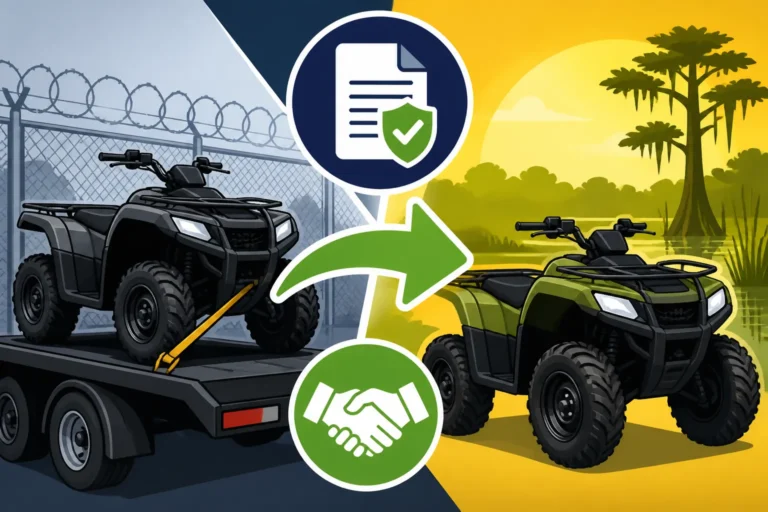
Beyond knowing the designated streets, ensuring your UTV is properly equipped for road use is paramount. Even on designated streets, your UTV needs to meet certain safety standards to protect yourself and others. This includes proper lighting, such as headlamps, taillamps, brake lights, and turn signals. You’ll also need at least one rearview mirror. Some riders even add extra visibility measures like flags or brighter aftermarket lights, which can be easily sourced from brands like SuperATV, to ensure they are seen by other motorists. Furthermore, proof of [Louisiana UTV Insurance Minimums] is required for any road use, and you should always carry it with you, along with your driver's license and UTV registration. Remember, while the town designates the street, you are still responsible for ensuring your machine and your riding practices comply with all state and local laws. This means your UTV needs to be in good working order, and you need to be a responsible, defensive driver, always anticipating other traffic.
Disclaimer
This article is for general informational purposes only and does not constitute professional advice. Laws, prices and regulations vary by location and change over time. Consult a qualified professional for guidance on your specific situation.