Louisiana Farm Affidavits for Road Use
Oh, the age-old question for anyone who runs a farm or even just a little patch of land here in Louisiana: "Can I just hop on my quad and drive it down the road to get to that next field?" It's a common dilemma, fraught with worries about getting pulled over, understanding complex rules, and frankly, just figuring out what paperwork you even need. This guide is here to untangle the specifics of Louisiana's farm affidavits for road use, walking you through who qualifies, what you need to do, and precisely what limitations come with this crucial exemption, so you can move your machines legally and without a headache.
Understanding the Louisiana Farm Affidavit for Off-Road Vehicles
Let's be real, a farm isn't always one contiguous block of land. Often, you've got fields scattered across a parish, separated by public roads. Hauling your ATV or UTV onto a trailer every single time you need to cross a short distance between properties is not only a massive time suck but also impractical for daily operations. This is where the Louisiana farm affidavit comes into play, offering a specific, limited exemption that acknowledges the unique needs of our agricultural community. It's not a free pass to cruise down the highway, but rather a carefully carved-out allowance for bona fide farm work.
What Exactly Does "Farm Use" Mean in This Context?
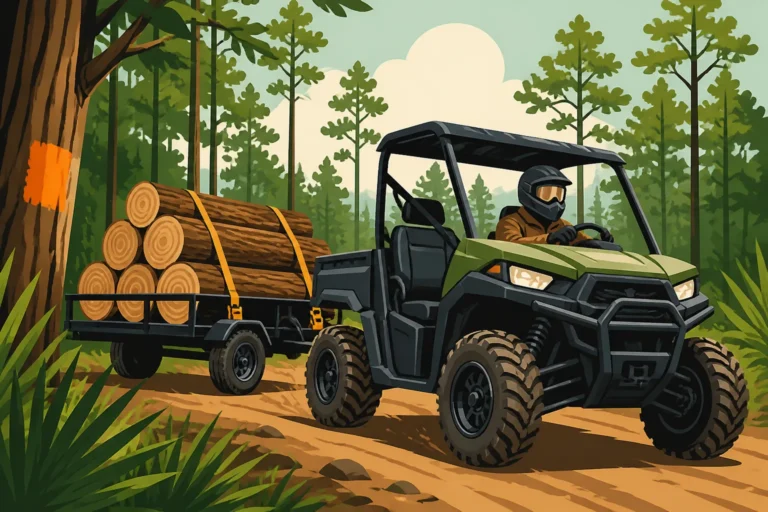
When the state talks about "farm use" in the context of allowing an off-road vehicle onto a public road, they're not talking about joyriding to a fishing spot, or even a casual trip to the corner store for a cold drink. We're talking about legitimate, necessary agricultural operations. Think about it: moving seed, checking fences, herding livestock from one pasture to another, inspecting irrigation systems, transporting tools, or accessing a remote corner of a field for spraying. These are all quintessential farm tasks that often require crossing or briefly traveling on a public road. The intent behind the law is to facilitate these vital farming activities, recognizing that the efficiency of your operation often depends on the quick movement of machinery from one area to another. It's about getting the job done, not recreation.
The Legal Framework: Where Does This Exemption Come From?
This particular allowance isn't just a gentleman's agreement; it's codified in Louisiana law, specifically within the state's traffic regulations concerning off-road vehicles. While the general rule is that ATVs and UTVs are not street legal, the Legislature understood that a blanket ban would severely impede farming. So, they created a specific exception. This framework aims to balance public safety on roads with the practical necessities of farming. It's essentially a recognition that while these machines aren't designed for highway speeds or heavy traffic, they are indispensable tools for a significant portion of the state's economy and lifestyle. Understanding that this is a specific, narrow exception is key to not accidentally overstepping the bounds and inviting trouble. The law, [Louisiana ATV Road Rules Under 32:299], lays out these conditions very clearly, and it’s important to familiarize yourself with the nuances rather than making assumptions.
The Core Purpose: Bridging Gaps Between Fields
At its heart, the farm affidavit is designed to solve a very specific logistical problem: how to efficiently bridge the physical gaps between different parcels of farmland without requiring full street-legal registration for a machine that spends 99% of its life off-road. Imagine having two fields on opposite sides of a small parish road, or a large property bisected by a public right-of-way. Without this exemption, you'd either have to trailer your machine for what might be a 200-yard trip or risk a ticket. The affidavit ensures that you can utilize your ATV or UTV as an extension of your farm, allowing it to temporarily use public access points to move from one area of your operation to another. This efficiency directly impacts productivity and reduces the frustrating downtime often associated with moving equipment. It truly makes a difference in the daily rhythm of farm life, allowing you to focus on the work itself rather than transportation hurdles.
Eligibility and Requirements for the Affidavit
So, you're a farmer, or you work on a farm, and you need to move your machine. Great! But not everyone and every machine automatically qualifies. There are very specific criteria you need to meet to properly utilize this exemption. It's not a general "I live in a rural area" pass; it's tied directly to agricultural activity and specific types of vehicles. Getting these details right from the start will save you a world of trouble down the line.
Who Qualifies to Sign and Use the Affidavit?
This is where many people get tripped up. The affidavit isn't for just anyone who owns a piece of land in the country. It's specifically for those engaged in bona fide agricultural operations. This means the person operating the machine under the affidavit should be the landowner whose primary business is farming, or a direct employee or family member actively involved in the farming operation. It's not for your cousin who's visiting from out of state and wants to ride your UTV, nor is it for a contractor doing a one-off job unless their work directly falls under the umbrella of your established farm operation. The key phrase here is "bona fide farm use." This typically implies a registered farm, documented agricultural income, or clear evidence of active farming. When filling out the form, you'll be attesting under oath to these facts, so honesty and accuracy are paramount. This isn't a loophole for recreational riding; it's a critical tool for working farmers. For more details on who might qualify, checking [Louisiana Agricultural Affidavits for an ATV] can provide additional context.
Machine Type and Purpose: Not All ATVs/UTVs Apply
While the exemption broadly covers "off-road vehicles," the spirit of the law, and indeed enforcement, leans heavily towards machines that are genuinely suited for farm work. This primarily means utility ATVs and UTVs. A high-performance sport quad, while technically an ATV, might raise eyebrows if you're trying to pass it off as a primary farm vehicle. The law is designed for machines that transport equipment, pull small trailers, or carry farm supplies – the workhorses of the farm. If your machine has a bed, a hitch, or is clearly designed for utility tasks, you're likely in the clear. If it's a stripped-down racer, you might have a harder time making your case, even with an affidavit. Think about what a trooper would see: does this machine look like it's being used for farming? Equipping your UTV with robust accessories like those from SuperATV, such as a heavy-duty cargo box or a front-mounted winch, can not only make your machine more capable for farm tasks but also visually reinforce its utility purpose when you're crossing a public road.
The Notarized Document Itself: What Needs to Be on It?
This is the non-negotiable part: the affidavit must be notarized. This isn't just a formality; it adds legal weight to your declaration that the machine is being used for legitimate farm purposes. What exactly does the affidavit need to contain?
- Your Full Name and Address: The person signing the affidavit.
- Machine Information: Make, model, year, and crucially, the Vehicle Identification Number (VIN) of the ATV or UTV. This links the document directly to the specific machine.
- Statement of Farm Use: A clear, unequivocal declaration that the off-road vehicle is being used exclusively for agricultural operations on property owned or leased by you, and that any road use will be incidental to these operations and within the specified legal limits.
- Property Description: A brief description or address of the primary farm property.
- Signature and Date: Your signature, dated.
- Notary's Seal and Signature: This confirms your identity and that you swore to the truth of the statements.
Without a notary's stamp, the document is essentially just a signed piece of paper and won't hold up as a legal affidavit. You can usually find a notary public at banks, credit unions, parish courthouses, or even some shipping centers. Make sure you bring a valid photo ID when you go. The OMV has a specific form for this, or you can draft one with all the required elements. For further details, you might want to look at [Why Your Bill of Sale Needs a Notary] as it highlights the importance of notarization in legal documents.
Navigating the Rules of Road Use with an Affidavit
Having the affidavit is one thing, but knowing how to use it is another. The exemption isn't a free pass; it comes with very strict limitations on where, when, and how you can operate your ATV or UTV on public roads. Ignoring these rules, even unknowingly, can lead to tickets, fines, or even having your machine impounded. Let's break down the critical parameters.
The "Shoulder-Only" Rule and Its Exceptions
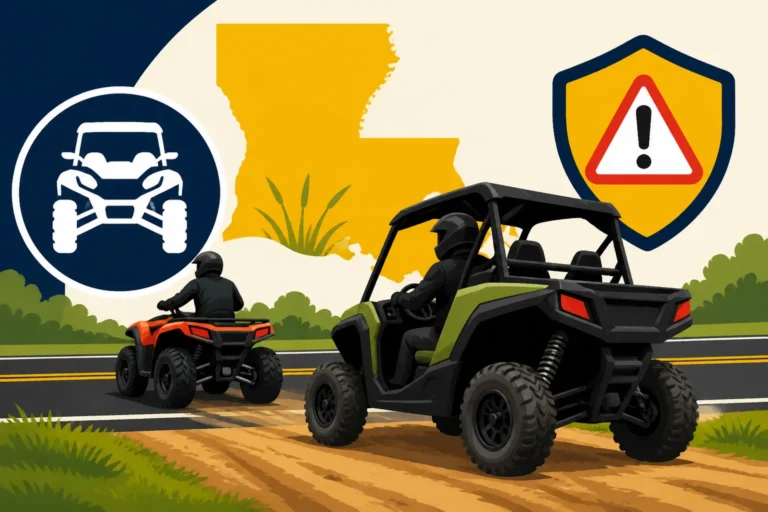
This is perhaps the most critical rule to remember: under the farm use exemption, your ATV or UTV is generally restricted to the extreme right shoulder of any public road. You are not permitted to travel in the actual traffic lanes. The shoulder is your designated pathway. This is a common-sense safety measure; off-road vehicles simply aren't designed for the speeds and traffic patterns of regular road use. They're slower, often less visible, and handle differently on paved surfaces.
However, there are very specific, brief exceptions. If the shoulder is impassable due to an obstruction, or if you need to make a left turn, you may temporarily enter the travel lane. But this must be for the shortest possible distance and only when absolutely safe to do so. The moment the obstruction is passed, or the turn is completed, you must return to the shoulder. Think of it as an absolute minimum deviation. You should always be signaling clearly and exercising extreme caution. Staying vigilant for other vehicles and making your intentions clear with hand signals or even a bright, visible flag can make a world of difference. For a deeper dive into this, see [Louisiana's Shoulder-Only Farm Exception].
The 5-Mile Radius: What Does It Encompass?
Another crucial limitation is the "5-mile radius" rule. The law states that the farm exemption only applies when operating the ATV or UTV within five miles of the property on which the farming operation is primarily conducted. This means you can't load your machine onto a trailer, drive it an hour away to another parish, and then expect the affidavit to cover road use there. The intent is to facilitate localized movement between adjacent or nearby parcels of land that are part of the same contiguous farm operation, even if separated by a road.
How is this 5-mile radius measured? It's generally understood to be a straight-line distance from the boundaries of your main farm property. This isn't a precise, GPS-tracked boundary you can't cross by a foot, but rather a clear indicator that the road use needs to be localized and directly connected to your main farm. If you're consistently traveling beyond this distance, you're likely outside the scope of the exemption and could be subject to penalties. So, before you head out, do a quick mental check: is this trip truly within that reasonable proximity to my primary farm? [Where the 5-Mile Radius Is Measured From] can give you more perspective on this.
Time of Day, Speed, and Other Operational Limitations
Beyond where you can ride and how far, there are other important operational constraints:
- Daylight Hours: Generally, farm-exempt machines are restricted to daylight hours. While some agricultural operations might require early morning or late evening work, the road use component of the exemption is primarily for visibility and safety. Avoid riding thirty minutes before sunrise or thirty minutes after sunset unless absolutely necessary and you have appropriate lighting.
- Speed Limits: While there might not be a specific speed limit posted for ATVs on a shoulder, you are expected to operate at a safe, reasonable speed, considerably slower than regular traffic. You're still sharing a public right-of-way, and your primary responsibility is safety.
- Required Equipment: Even with an affidavit, you're not exempt from basic safety equipment. Your ATV or UTV should still have working headlights, taillights, brake lights, and ideally, turn signals, especially if you anticipate making turns. Reflective tape can also significantly increase your visibility, particularly around dusk or dawn. For more on what a law enforcement officer might check, see [Louisiana Equipment Checks by Troopers].
- Driver's License: You must possess a valid Louisiana Class E driver's license (or higher) to operate any motorized vehicle on a public road, even the shoulder, under this exemption. The farm affidavit doesn't bypass the basic requirement of being a licensed driver.
Designated Roads: Parish and Municipal Roles
While the state law provides the overarching framework, local parishes and municipalities also have a role to play, particularly regarding the designation of roads. Some parishes or towns might have specific ordinances that further define which roads are permissible for farm-exempt ATV/UTV use, or they might put up signage to clarify. It's always a good idea to check with your local parish council or municipal office if you're unsure about specific roads in your area. However, the general rule is that you'll primarily be using parish or local roads, not major state highways or interstates, which are almost universally off-limits. If your local government has adopted ordinances related to off-road vehicles, they must be publicly posted, so keep an eye out for local signage that indicates designated roads. This ensures that everyone, from farmers to everyday drivers, is aware of the local rules.
Practicalities of Carrying and Presenting Your Affidavit
So, you've got your notarized affidavit, you understand the rules, and you're ready to make that quick hop across the road. But what happens if a sheriff's deputy or state trooper pulls you over? Having the affidavit isn't enough; you need to know how to properly carry it, present it, and perhaps most importantly, how to behave during an interaction with law enforcement.
Preparing for an Encounter with Law Enforcement
Let's face it, getting pulled over is rarely a pleasant experience, even when you know you're in the right. The key to a smooth interaction when operating your ATV or UTV under the farm affidavit is preparation and courtesy.
- Always Carry the Affidavit: This might sound obvious, but it's astonishing how many people leave their crucial paperwork back at the house or in their truck. The affidavit, along with your driver's license and proof of insurance (if required for the specific road use, or generally good practice), should be on your person or securely affixed to your machine in a waterproof compartment.
- Be Polite and Cooperative: When an officer approaches, remain calm. Turn off your machine, keep your hands visible, and answer questions clearly and respectfully. State that you are operating under the farm use exemption and immediately present your affidavit, driver's license, and any other requested documents.
- Know Your Rights and the Law: While you should always cooperate, it helps to be familiar with the specifics of [Louisiana Farm Affidavits for Road Use] and [Louisiana's Shoulder-Only Farm Exception]. Confidently (but politely) explaining that you are within the 5-mile radius and operating on the shoulder for farm-related activities can often clarify the situation quickly.
- Visual Cues: Making your machine look like a farm vehicle, not a recreational one, can also help. Carrying tools, wearing work clothes, or having a sprayer or small trailer attached can visually reinforce your claim of farm use. Even accessories like SuperATV's heavy-duty suspension components or specialized tires designed for varied terrain can hint at the working nature of your machine.
Best Practices for Affixing and Protecting Your Document
Because this document is so vital, you need to treat it with care. Getting it wet, tearing it, or losing it is a hassle you don't need.
- Laminate or Use a Waterproof Pouch: Once notarized, immediately laminate your affidavit or place it in a durable, clear, waterproof pouch. This protects it from the elements – dust, mud, rain, and sweat – which are all common on a farm.
- Secure Placement: Don't just stuff it in your pocket where it could fall out. Consider a dedicated, secure compartment on your ATV or UTV. Many utility machines have small glove boxes or under-seat storage that are perfect for this. Some riders even attach a small, weather-resistant document holder directly to the handlebars or a rack, ensuring it's always accessible and visible if needed.
- Keep a Digital Copy (as backup): While a digital copy won't substitute for the physical notarized document, having a photo or scan on your phone can be a useful backup in case the physical one is temporarily misplaced. Just remember, an officer will almost certainly want to see the original.
- Consider a Duplicate: If you frequently switch machines or have multiple operators, it might be worth getting a few notarized copies of the affidavit. This way, if one gets lost or damaged, you have a spare without needing to revisit the notary immediately.
When and How to Update Your Affidavit
The affidavit isn't a "set it and forget it" document. There are circumstances under which you'll need to update it:
- Change of Machine: If you sell the ATV or UTV listed on the affidavit and purchase a new one, the old affidavit is no longer valid for your new machine. You'll need to complete and notarize a brand new affidavit with the details of the new vehicle, including its VIN. This is a crucial step that many forget, leading to potential issues down the road.
- Change of Property: If your primary farm operation moves to a different location, or if you significantly expand and your "primary" location shifts, you may need to update the affidavit to reflect the new address, especially as it relates to the 5-mile radius rule.
- Expiration (if applicable): While Louisiana's farm affidavit isn't typically time-sensitive like a decal, it's always good practice to review it periodically, perhaps every few years, to ensure all information is current and accurate. If there are any changes to the law, you'll want to be ready to update your paperwork.
Keeping your affidavit current is just as important as having one in the first place. It demonstrates your commitment to operating legally and responsibly within the framework of the farm use exemption.
Common Misconceptions and Penalties
Even with good intentions and a notarized affidavit, misunderstandings about the farm use exemption are rampant. Many riders mistakenly believe it grants them more freedom than it actually does. Being clear about what the affidavit doesn't allow, and understanding the consequences of non-compliance, is critical for staying out of trouble.
What the Affidavit Doesn't Allow You to Do
This is arguably the most important section for many riders. The farm affidavit is not a magic wand that transforms your off-road machine into a street-legal vehicle.
- It Does NOT Allow Recreational Riding on Public Roads: This is the biggest misconception. You cannot use the affidavit to justify riding your quad down the road to visit a friend, go fishing, or even just to enjoy a scenic drive. The use must be directly and exclusively tied to agricultural operations. If you're pulled over and you're not actively engaged in a farm task, or heading directly to or from one, the affidavit won't protect you.
- It Does NOT Override Traffic Laws: While on the shoulder or making a permissible turn, you are still subject to all standard traffic laws. This means obeying stop signs, yielding to traffic, and not driving recklessly. [Louisiana Traffic Law Still Applies] to farm-exempt machines.
- It Does NOT Grant Access to All Roads: As discussed, major highways, interstates, and often state routes are generally off-limits. The exemption is primarily for parish and municipal roads, and even then, usually only the shoulder.
- It Does NOT Exempt You from Other Requirements: You still need a valid driver's license (Class E or higher) and should carry proof of insurance, even if it's not strictly mandated for shoulder-only farm use. It's simply good practice and can prevent further headaches if an incident occurs.
- It Does NOT Permit Passenger Carrying (on ATVs): While UTVs are designed for passengers, most ATVs are single-rider machines. The farm affidavit doesn't create an exception to [Can You Carry a Passenger on a Louisiana ATV?].
Consequences of Non-Compliance or Misuse
The penalties for misusing the farm affidavit or operating outside its strict parameters can be significant and certainly not worth the risk.
- Fines and Citations: The most immediate consequence is typically a citation for illegal operation of an off-road vehicle on a public roadway. These fines can be substantial, often hundreds of dollars, and may be accompanied by court costs.
- Impoundment of Your Machine: Law enforcement has the authority to impound your ATV or UTV if it's being operated illegally on a public road. Getting your machine back involves impound fees, storage fees, and potentially other administrative costs, which can quickly add up to more than the value of the machine itself. [Louisiana Impoundment for No Decal] can give you an idea of the process, though specific reasons for impoundment may vary.
- License Points/Suspension: Depending on the severity of the infraction or if it's a repeat offense, points could be added to your driver's license, potentially leading to higher insurance premiums or even license suspension.
- Loss of Trust: While not a legal penalty, consistent misuse of the exemption by a few can lead to stricter enforcement or even changes in the law, making it harder for legitimate farmers to conduct their business. We all want to keep these practical exemptions available, so responsible use is key.
Why the Farm Exemption is Not a "Street Legal" Pass
It's critical to internalize this distinction: having a farm affidavit does not make your ATV or UTV "street legal" in the same way a car or truck is. A street-legal vehicle has been manufactured and equipped to meet specific federal and state safety standards for highway use, including things like DOT-approved tires, windshields, specific lighting, mirrors, and crash-testing. Off-road vehicles, by their very design, do not meet most of these requirements.
The farm exemption is a privilege, a narrow carve-out for a specific economic necessity, not a reclassification of your vehicle. It allows incidental road use, not routine travel. This is why you're relegated to the shoulder and limited in distance and purpose. The state is essentially saying, "We understand you need to get your machine from Field A to Field B, but we still recognize it's an off-road vehicle and inherently less safe on public roads." Understanding this fundamental difference is key to respecting the spirit of the law and ensuring you don't inadvertently put yourself or others at risk. For deeper insight into this distinction, consider reading [Why an Off-Road Decal Is Not Street-Legal Registration] and [Why a Title Still Keeps You Off the Road].
| Feature | Louisiana Farm Affidavit Use | Full Street Legal Registration (Car/Truck) |
|---|---|---|
| Primary Purpose | Incidental movement for bona fide agricultural operations. | General transportation, commuting, recreation on all public roads. |
| Road Access | Restricted to extreme right shoulder; limited road crossings; 5-mile radius from farm. | Full access to all public roads, including traffic lanes, highways, interstates (where allowed). |
| Vehicle Type | ATVs, UTVs, off-road vehicles (utility-focused). | Vehicles specifically manufactured and equipped for street use. |
| Required Equipment | Basic lights, good condition. | Extensive safety equipment (DOT tires, windshield, specific lighting, mirrors, airbags, etc.). |
| Driver's License | Class E or higher required. | Class E or higher required. |
| Insurance | Highly recommended, sometimes implicitly covered by farm liability, but check your policy carefully. | Mandated liability insurance. |
| Speed/Maneuverability | Operate at safe, slow speeds; not for highway travel. | Designed for highway speeds and conditions. |
| Passengers | UTVs may carry within design limits; ATVs typically single rider only. | Passengers permitted up to vehicle's design capacity. |
| Enforcement Perspective | Narrow exemption, closely scrutinized for adherence to farm use. | Standard vehicle operation, expected to meet all regulations. |
Disclaimer
This article is for general informational purposes only and does not constitute professional advice. Laws, prices and regulations vary by location and change over time. Consult a qualified professional for guidance on your specific situation.