Reflective Tape Worth Adding to Your Quad
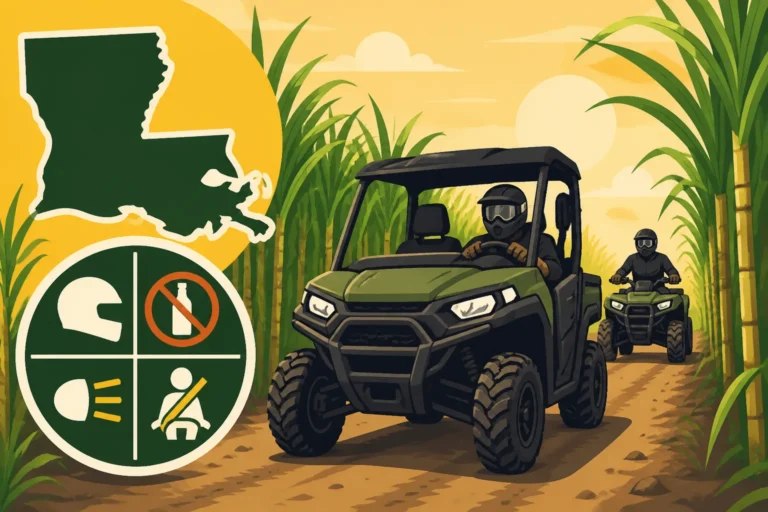
Riding your ATV or UTV on designated parish roads in Louisiana, whether it's for farm work, camp access, or just connecting trails, comes with a unique set of challenges. One of the biggest, and often underestimated, is simply being seen by other drivers. This guide dives deep into why reflective tape isn't just a good idea, but a crucial safety measure for your off-road machine on Louisiana's roadways, helping you enhance your visibility and ride with more confidence.
The Undeniable Need for Enhanced Visibility on Louisiana Roads
Let's be honest, when you're out on the trails or tearing through a mud park, being seen by a logging truck isn't usually top of mind. But the moment those tires hit a public road, even a quiet gravel parish road, your world changes. Suddenly, you're sharing the space with cars, trucks, and other vehicles whose drivers might not be expecting an ATV or UTV, especially one that sits low or blends into the scenery. This is where the standard lighting on your machine often falls short, creating blind spots that reflective tape can significantly mitigate.
Why Standard Lighting Isn't Enough for Road Use
Think about the lights on your ATV or UTV. Your headlights are designed to illuminate the path in front of you. Your taillights signal your presence from behind. But what about from the side? Or from odd angles as you crest a small hill, round a bend, or pull out from a field access road? Most factory lighting simply doesn't address these critical side-on or oblique approach angles. It's a huge blind spot, not just for other drivers, but for your own safety planning.
Imagine you're driving a four-wheeler down a two-lane parish road just as the sun starts to dip below the horizon. A pickup truck comes around a bend, its headlights hitting you directly from the front, momentarily blinding its driver to your machine's silhouette. Or, perhaps you're merging onto a road from a private driveway, and a car approaches from the left, its driver focused on the road ahead, not scanning the ditch line for a subtle change in light. In these scenarios, static, always-on reflective material can be the difference between being a momentary blur and a clearly defined hazard. This is particularly true in rural areas where the ambient light might be limited, and drivers are often traveling at higher speeds than they should be, or are distracted.
The Legal Grey Areas and Safety Imperative
Now, let's talk about the letter of the law. While Louisiana has specific statutes governing ATV and UTV use on public roads, such as [Louisiana ATV Road Rules Under 32:299] and [Louisiana UTV Road Rules Under 32:299.3], these often focus on requirements like having a Class E license, operating within specific hours, and adhering to designated routes. They typically mandate functional headlights, taillights, and often brake lights. However, they don't always explicitly mandate reflective tape on your machine for road use.
But here's the kicker: just because it's not explicitly required doesn't mean it's not a critical safety component, and it certainly doesn't mean law enforcement won't appreciate the added visibility. When a Louisiana State Trooper or a local deputy pulls you over as part of [Louisiana Equipment Checks by Troopers], they're looking for machines that are operated safely and are visible to others. A well-marked machine shows you're taking proactive steps for safety, which can only be a good thing. Ignoring these crucial aspects of visibility isn't just risky; it could lead to citations for unsafe operation or worse, an accident that could have been avoided. On those lonely stretches of highway, especially after dark, reflective tape becomes your silent advocate, screaming "I'm here!" to approaching traffic.
Choosing and Placing Your Reflective Allies
So, you're convinced. You need reflective tape. But not all reflective tape is created equal, and where you put it makes all the difference. This isn't just about slapping some silver strips anywhere; it's about strategic application for maximum visibility and durability in the challenging Louisiana environment.
Different Types of Reflective Tape and What to Look For
When it comes to reflective tape, you'll hear terms like "engineering grade" and "diamond grade." These aren't just fancy marketing names; they refer to the construction and, critically, the reflectivity of the tape.
- Engineering Grade: This is often a good starting point. It's typically visible up to a few hundred feet and is commonly found on utility vehicles or basic signage. It uses glass beads to reflect light. For occasional, daylight-only road use, it might suffice, but if you're serious about safety, especially at dawn, dusk, or night, you'll want more.
- High-Intensity Prismatic (HIP) or Diamond Grade: This is where you want to be. These tapes use microprismatic technology, essentially tiny prisms, to reflect a significantly higher percentage of light back to the source. They are visible from much greater distances, often up to 1,000 feet or more, and maintain their reflectivity even at wide angles. This is the kind of tape you see on emergency vehicles, highway signs, and high-visibility road work gear. It's more expensive, yes, but your safety is worth it. Many off-road accessory suppliers, like SuperATV, offer robust, high-intensity reflective tape designed to withstand the rigors of off-road use, including mud, water, and sun exposure, which is crucial for longevity in our Louisiana climate.
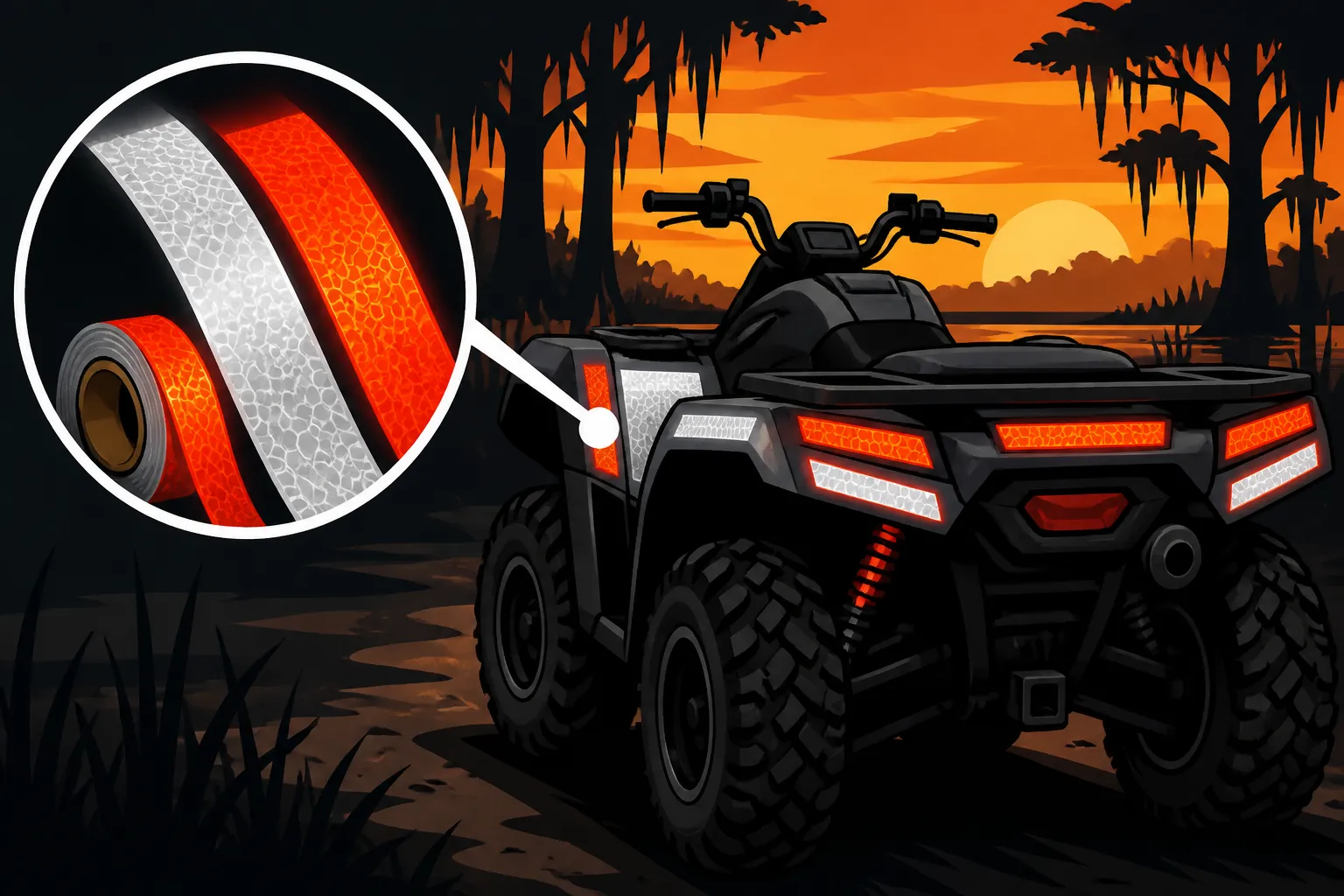
Beyond grade, consider the color. White and silver are the most reflective, especially for light coming directly back. However, fluorescent colors like yellow-green or orange can offer excellent daytime visibility, and when combined with reflective properties, provide a powerful all-day solution. Always ensure the tape is rated for outdoor use and has a strong adhesive to resist peeling from mud, water, and pressure washing.
Strategic Placement for Maximum Impact
The goal isn't just to put tape on your machine; it's to make your machine visible from every conceivable angle a driver might approach you, particularly when you're [Staying Visible on a Parish Road After Dark]. Think about a 360-degree sphere around your ATV or UTV.
Here’s a table outlining key areas and why they matter:
| Area of Machine | Why It Matters | Reflective Tape Color/Type Suggestion |
|---|---|---|
| Front Fenders/Hood Edges | Catches light from oncoming vehicles or those turning onto your road. Essential for daytime visibility with headlights on. | White/Silver High-Intensity |
| Rear Fenders/Tailgate Edges | Critical for drivers approaching from behind. Helps define the machine's width and height. | Red/Orange High-Intensity |
| Sides of Fenders/Footwells | Crucial for cross-traffic at intersections or when pulling out from side roads. Helps define length. | White/Silver High-Intensity |
| Roll Cage (UTVs) | Adds height to your reflective profile, making you more visible over dips or to larger vehicles like tractor-trailers. | White/Silver High-Intensity |
| Wheel Wells/A-Arms | Creates a "moving" reflective signature as wheels turn, drawing attention. | White/Silver or Red/Orange |
| Mirrors/Handguards | Increases the widest points of your machine's profile. | White/Silver |
| Helmet (Rider) | Adds reflectivity at the highest point, signaling human presence. | White/Silver or Fluorescent |
| Trailer (if hauling) | Legally required for trailers, but additional reflective tape helps, especially for non-standard trailers. | Red/White Alternating |
Don't forget that a lot of machines have recessed areas or complex curves. While it might be tempting to just slap a single strip, try to break it up into smaller pieces to conform to the contours of your machine. The more surface area you can cover with high-quality reflective tape, especially on the outermost edges of your machine, the better. Consider applying tape to accessory items too, like storage boxes, winches, or anything that extends beyond the main body of your ATV or UTV. Even a few reflective strips from SuperATV on those vulnerable points can dramatically improve your presence.
Application, Maintenance, and Comprehensive Safety
Getting the right tape and putting it in the right spots is a fantastic start. But for it to truly do its job day in and day out, you need to apply it correctly and keep it in good condition. Plus, reflective tape is just one piece of a larger, comprehensive visibility strategy.
Tips for Proper Application and Longevity
Applying reflective tape might seem straightforward, but a little extra effort upfront can save you a lot of frustration (and money) later when it starts peeling off after a few rides through the swamp.
- Clean the Surface Thoroughly: This is probably the most crucial step. Any dirt, grease, wax, or even invisible residue will compromise the adhesive. Use an automotive-grade degreaser or rubbing alcohol and a clean cloth. Let it dry completely.
- Work in a Warm Environment: If it's too cold, the adhesive won't bond as effectively. Aim for temperatures above 60°F (15°C). If you're working outside on a chilly Louisiana morning, try to warm the surface gently with a heat gun or even a hairdryer on a low setting (be careful not to melt plastic!).
- Measure and Cut Precisely: Plan your layout before you start peeling. Use a ruler and a sharp utility knife or scissors for clean, straight cuts. Rounding the corners of your tape can help prevent edges from lifting later.
- Peel Gradually and Apply Firm Pressure: Don't peel off the entire backing at once. Start from one end, peel back a few inches, apply the tape, and then slowly continue peeling and pressing down firmly as you go. Use a squeegee, a credit card, or even your thumb (protected by a cloth) to apply consistent pressure across the entire surface of the tape. This pushes out air bubbles and ensures a strong bond.
- Avoid Edges Where Possible: If you can, place tape on flat surfaces rather than wrapping it tightly around sharp edges, as these are common points for peeling to start. If you must go over an edge, ensure maximum adhesion there.
- Allow for Cure Time: The adhesive needs time to fully bond. Avoid washing your machine or exposing the tape to extreme conditions for at least 24-48 hours after application.
Even the best tape, like a high-quality product you might find at SuperATV, will eventually show wear and tear, especially with the mud, grit, and constant washing that comes with off-roading in Louisiana. Regularly inspect your reflective tape for peeling, fading, or damage. Replace any sections that aren't performing optimally. A faded or peeling piece of tape is a hazard, not a help.
Beyond Tape: Other Visibility Boosters
While reflective tape is an excellent passive safety measure, it works best as part of a multi-faceted approach to visibility. Think about other ways to make your presence known, especially if you plan on riding during marginal light conditions or when crossing public roads.
- Brighter and More Lights: Consider upgrading your factory lighting to brighter LED headlights and taillights. Many riders also add auxiliary lights or amber strobe lights for increased visibility, especially when operating on or near roads. Just be mindful of local laws regarding colored lights. Your goal here is to exceed the minimums outlined in [Louisiana Lighting Rules on a Machine].
- Reflective Clothing: Don't forget the most important part of the equation: you. Wearing a high-visibility vest, jacket, or helmet with reflective elements ensures that even if your machine isn't perfectly lit, you are. This is especially vital if you have to dismount your machine on the side of a road.
- Safety Flags: For UTVs, particularly if they are taller or in dusty conditions, a safety flag mounted on a whip pole can add another layer of visibility, especially over hills or through tall cane fields.
- Awareness and Defensive Driving: No amount of reflective tape or bright lights can replace attentive riding. Always be acutely aware of your surroundings, anticipate potential hazards, and ride defensively when on any public road. Remember to always carry your necessary paperwork; a state trooper might ask for it during [What a Louisiana State Trooper Can Ask to See].
By combining high-quality, strategically placed reflective tape with good lighting, high-visibility clothing, and an unwavering commitment to safe riding practices, you'll dramatically increase your chances of being seen and staying safe on the often-unpredictable roads of Louisiana. It's not just about meeting the minimum; it's about proactively protecting yourself and those around you.
Disclaimer
This article is for general informational purposes only and does not constitute professional advice. Laws, prices and regulations vary by location and change over time. Consult a qualified professional for guidance on your specific situation.