Louisiana Paramedic Exceptions
It’s a common frustration for folks trying to understand when, and how, an ATV or UTV can legally touch a public road in Louisiana. For most of us, these machines are strictly for off-road adventure or farm work, strictly forbidden from public thoroughfares. But what happens when an emergency strikes, and first responders, like paramedics, need to get to a scene where traditional vehicles simply can't go? This guide is going to clear up the specific exceptions that allow Louisiana's dedicated paramedics to utilize these versatile machines on public roads, cutting through the confusion and highlighting the critical role they play.
Understanding the General Ban on ATVs and UTVs on Public Roads in Louisiana
Let's be real, the vast majority of off-road enthusiasts know the drill: your ATV or UTV is meant for the trails, the fields, or your private property, not the asphalt. Louisiana has clear statutes designed to keep these machines off public roadways, and for good reason. They're built differently, often lack the safety features of street-legal vehicles, and their operation demands a different skillset. Trying to navigate busy streets or highways on a machine designed for dirt can be incredibly dangerous, both for the rider and for other motorists.
Why the Ban Exists
The primary reason for the general ban on ATVs and UTVs on public roads boils down to safety and regulation. Imagine trying to stop a heavy-duty side-by-side that's built for hauling timber, equipped with aggressive mud tires, quickly on wet pavement, or merging a small sport quad onto a highway. The braking systems, suspension, and even the steering feel of an off-road machine are vastly different from a passenger car or truck. Furthermore, these machines typically aren't designed with standard automotive lighting, turn signals, or mirrors required for road use, making them difficult to see and predict in traffic. This isn't about denying fun; it's about protecting lives on the public infrastructure. The state wants to ensure that all vehicles sharing the road meet a baseline of safety and visibility standards, and most ATVs and UTVs simply don't.
What Constitutes a Public Road
In Louisiana, "public roads" generally include any street, highway, or thoroughfare that is maintained by the state, a parish, or a municipality and is open for public use. This isn't just limited to interstate highways or major state routes; it extends to most parish roads and city streets. The law is quite broad in its definition, meaning that even that quiet gravel road leading to your hunting camp, if it's publicly maintained, falls under these regulations. It's crucial for riders to understand that "private road" means truly private, owned and maintained by an individual or entity, not just a less-traveled public thoroughfare. The moment a road is publicly maintained, even if it feels remote, the rules about vehicle use kick in. For a deeper dive into these regulations, you can check out [Louisiana ATV Road Rules Under 32:299] and [Louisiana UTV Road Rules Under 32:299.3].
The Specific Role of Paramedics and Emergency Responders
While the general rules are strict, there are specific, narrow exceptions carved out for emergency personnel. When lives are on the line, the ability to reach a patient quickly, regardless of terrain, becomes paramount. This is where ATVs and UTVs can become invaluable tools for paramedics and other first responders in Louisiana, allowing them to access areas that traditional ambulances or fire trucks simply cannot.
Who Qualifies as a Paramedic
When we talk about "paramedics" in the context of these exceptions, we're generally referring to certified emergency medical professionals who are operating within the scope of their employment for a recognized emergency service agency. This typically includes individuals working for parish EMS, fire department rescue units, or other state-recognized emergency response teams. It's not just anyone who has first aid training; it's specifically those who are part of an organized and authorized emergency response system. Their training and professional responsibilities put them in unique situations where specialized equipment, like off-road vehicles, might be the only way to perform their duties effectively. It's about their official capacity and their mission to provide life-saving care.
Scenarios Requiring Off-Road Access
Think about the varied landscape of Louisiana: vast wetlands, dense forests, expansive agricultural fields, and even crowded urban events. There are countless scenarios where conventional emergency vehicles are simply too large, too heavy, or too slow to reach a patient.
- Remote Accidents: A hiker injured deep on a trail in Kisatchie National Forest, a hunter having a medical emergency far off a logging road, or an accident victim in a flooded area after a storm.
- Large Events: During festivals, marathons, or large outdoor concerts, a UTV can quickly navigate through crowds or across open fields to reach a patient, much faster than an ambulance stuck in traffic or trying to cross difficult terrain.
- Disaster Response: Following a hurricane or flood, many roads become impassable. ATVs and UTVs, often equipped by companies like SuperATV with specialized suspension and winches, can become critical for search and rescue operations, transporting medical supplies, or evacuating individuals from compromised areas.
- Farm Accidents: A farmer injured far out in a sugarcane field or a rice levee, requiring rapid medical attention in an environment where paved roads are nonexistent.
In these situations, the agility and off-road capability of an ATV or UTV aren't a luxury; they're a necessity for timely medical intervention.
Louisiana Statute 32:299 and Its Exceptions
The core of understanding these allowances lies within Louisiana Revised Statute 32:299, which generally prohibits ATVs and UTVs on public roads but then carves out specific exemptions. These exemptions are not a free pass for anyone to ride; they are carefully defined to serve critical public safety functions. This is where the law balances public safety with the need for emergency services to operate effectively.
The Explicit Exemption for Paramedics
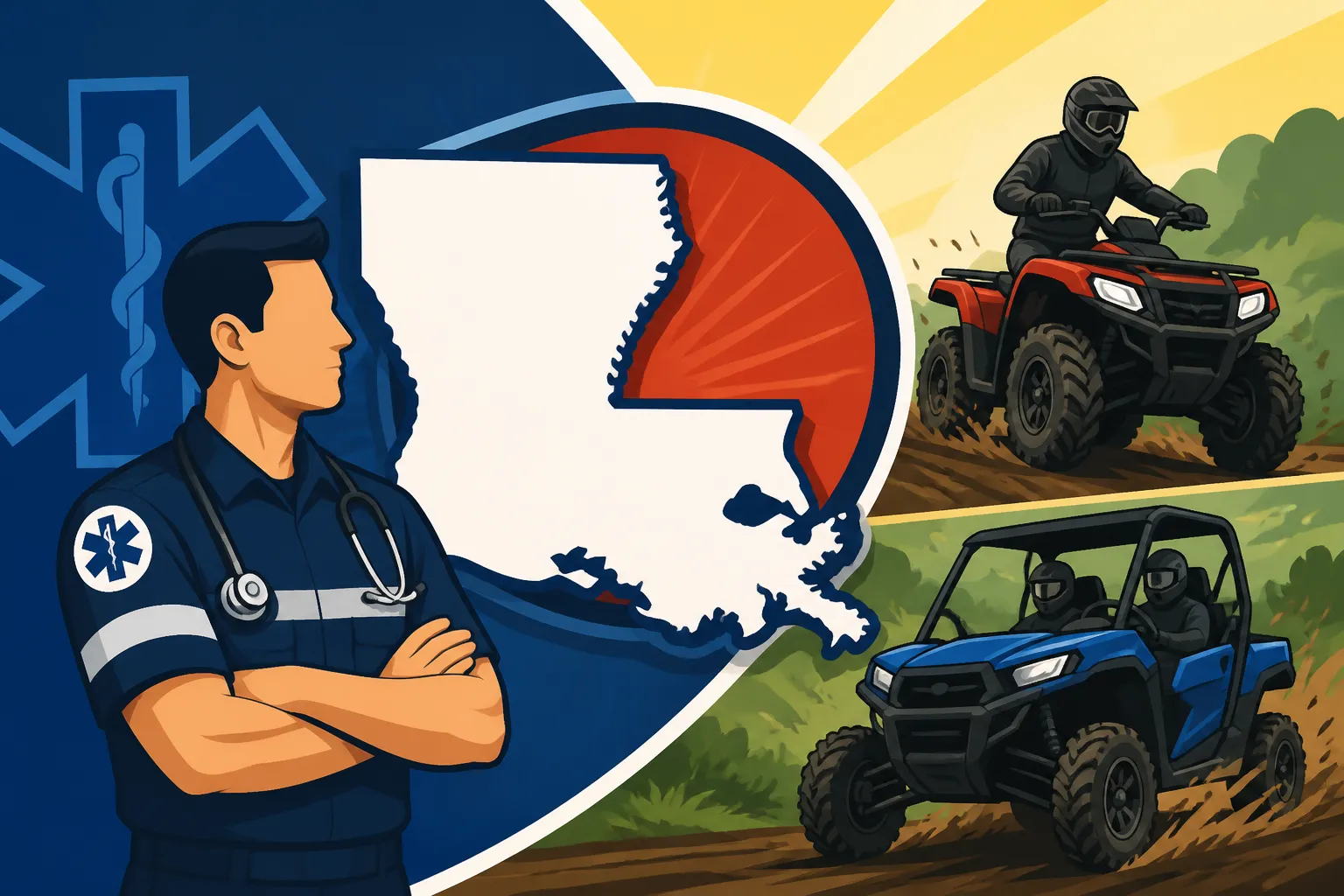
Louisiana R.S. 32:299, in its subsections (C) and (D), explicitly permits certain government personnel to operate ATVs and UTVs on public roadways when engaged in official duties. Specifically, it states that the provisions of the statute shall not apply to "any law enforcement officer, firefighter, or emergency medical services personnel" when operating such vehicles in the course and scope of their official duties. This is a critical distinction: it's not recreational use, nor is it for personal errands. It is strictly limited to their professional responsibilities as emergency responders. This exemption allows these vital professionals to bypass the general ban, recognizing the urgency and unique requirements of their work. While they have this allowance, they are still expected to operate these machines safely and responsibly, especially when sharing the road with other vehicles. These exemptions are similar to those outlined in [Louisiana Law Enforcement Exceptions].
Limitations and Conditions
While paramedics have a statutory exception, it's not without boundaries. The exemption specifically states "in the course and scope of their official duties." This means:
- Official Business Only: The ATV or UTV must be used for legitimate emergency response, training, or other agency-approved tasks. Using it for a personal trip, even if you are a paramedic, is not covered.
- Agency-Owned or Authorized: The machine is typically owned by the governmental agency (EMS, fire department) or is a personal machine explicitly authorized and equipped for official use under agency policy.
- Safety Equipment: Even with the exemption, these machines must be operated with due regard for the safety of others. While the statute doesn't explicitly list every piece of equipment needed for an exempt vehicle, agencies typically equip their response ATVs/UTVs with appropriate lighting (emergency strobes, headlights, taillights), reflective markings, and often a siren.
- Operator Certification/Training: While the statute doesn't mandate a specific "off-road driving license," individual agencies will require their personnel to be properly trained and certified to operate these specialized vehicles safely, especially in emergency situations. Many of these vehicles will be outfitted with essential accessories like durable tires or specialized racks, sometimes sourced from companies like SuperATV, to handle the rigorous demands of emergency use.
It's important for agencies and individual paramedics to have clear internal policies that define the precise conditions under which these vehicles can be used on public roads, ensuring compliance and maximizing safety for both the operator and the public.
Practical Considerations for Paramedics Using ATVs and UTVs
For an emergency service agency, simply having an ATV or UTV isn't enough. There are significant practical considerations to ensure these machines are effective, safe, and legally compliant for paramedic use on public roads. It's about more than just owning the vehicle; it's about integrating it into a comprehensive emergency response strategy.
Machine Requirements and Modifications
When an ATV or UTV is designated for emergency medical services, it often undergoes significant modifications to meet the demands of the job.
- Patient Transport: Many UTVs, especially, are fitted with specialized skid units or litters designed to safely secure and transport an injured patient. This might include a medical attendant seat, storage for emergency medical equipment, and often a canopy for patient protection from elements.
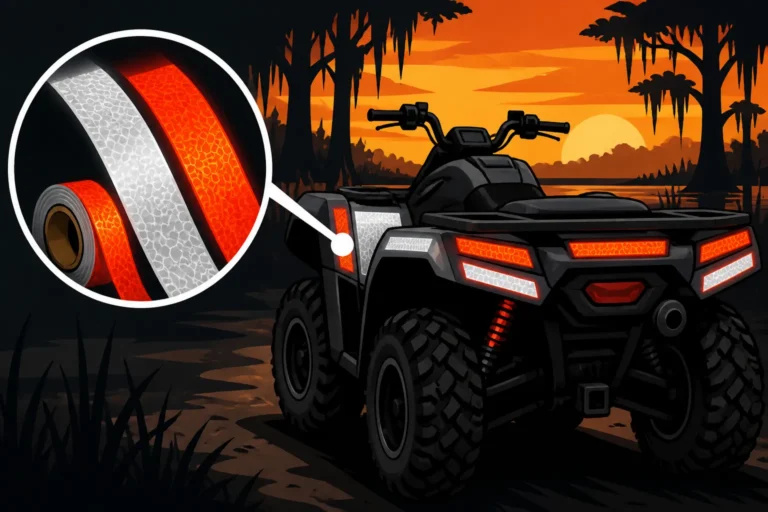
- Visibility and Warning: As mentioned, robust lighting systems are crucial. This includes LED light bars, emergency strobes, and often additional headlights and taillights. Reflective decals and agency markings are also vital to make the machine highly visible, particularly when operating on public roads or in low-light conditions. A siren is often added to alert other motorists and pedestrians.
- Durability and Performance: These machines need to be reliable. Upgraded tires for varied terrain, heavier-duty suspension components, and even winches can be added. Companies like SuperATV specialize in producing many of these durable, performance-enhancing parts that emergency services rely on for their robust rescue vehicles.
- Communication Equipment: Two-way radios are essential for paramedics to communicate with dispatch, other responding units, and medical facilities. These systems must be integrated seamlessly into the vehicle.
These modifications are not just about compliance; they are about enhancing the machine's capability to perform its life-saving mission under challenging circumstances.
Training and Protocols for Emergency Use
Having the right machine is only half the battle; having properly trained personnel is the other. Agencies must invest in comprehensive training programs for paramedics who will operate ATVs and UTVs.
- Off-Road Driving Skills: This goes beyond basic driving. Training should cover navigating various terrains (mud, sand, rocky paths, steep inclines), safely crossing obstacles, understanding vehicle dynamics with a patient onboard, and operating in adverse weather conditions.
- Emergency Driving: Specific training on how to operate the ATV/UTV safely and effectively on public roads under emergency conditions, including using lights and sirens, maintaining control at speed, and interacting with traffic, is critical. Even though the rules are relaxed for emergencies, [Louisiana Traffic Law Still Applies].
- Patient Handling in Confined Spaces: Paramedics need to be proficient in safely securing and monitoring patients within the confines of an ATV/UTV litter, often in difficult-to-reach locations.
- Maintenance and Pre-Ride Checks: Operators should be trained to perform routine maintenance and thorough pre-ride inspections to ensure the machine is always in optimal working condition.
- Agency-Specific Protocols: Each agency should develop clear, written protocols detailing when and how ATVs/UTVs are to be deployed, including chain of command, communication procedures, and safety guidelines. These protocols help ensure consistent, safe, and effective use of these specialized assets.
Ensuring Compliance and Safety on Louisiana Roads
Even with the specific exemptions for paramedics, the overarching goal remains safety. This means not only adhering to the letter of the law but also implementing best practices that go above and beyond to protect operators, patients, and the public. Compliance isn't just about avoiding penalties; it's about upholding public trust and ensuring effective emergency response.
Documentation and Identification Needed
For paramedics operating ATVs or UTVs on public roads under the exemption, proper documentation and clear identification are crucial.
- Agency Identification: The vehicle itself should be clearly marked with the agency's name, logos, and emergency vehicle designations. This isn't just for public recognition but also serves to inform law enforcement that the vehicle is operating under official capacity.
- Operator Identification: The paramedic must be in uniform and carry official identification (badge, agency ID) that clearly states their role and affiliation. This helps confirm their status as emergency services personnel should they be stopped or questioned.
- Vehicle Registration/Title: While the machines may be exempt from typical street-legal registration, they will still need to comply with Louisiana's off-road titling and decal requirements. This means having proper title documents and displaying the [Louisiana's Yearly Off-Road Decal], even if the machine is agency-owned. These machines must be properly titled through the OMV, as outlined in [Louisiana Titles ATVs Through the OMV].
- Proof of Insurance: Agencies should maintain appropriate liability and comprehensive insurance coverage for their ATV/UTV fleet. While the specific requirements might differ from personal vehicles, ensuring adequate coverage is a responsible practice for any vehicle operating on public ways. This is especially important given the potential for accidents. While [Louisiana Insurance Proof on Demand] often applies to regular vehicles, agencies should have this documentation readily available.
Having this documentation readily accessible can prevent delays and misunderstandings, allowing paramedics to focus on their critical mission without unnecessary interruptions.
Minimizing Risk and Operating Safely
Operating an ATV or UTV, especially under emergency conditions on public roads, inherently carries risks. Agencies and paramedics must prioritize strategies to minimize these risks.
| Aspect of Safety | General ATV/UTV Operation | Paramedic/Emergency ATV/UTV Operation |
|---|---|---|
| Visibility | Minimal lighting, often not street-legal | High-visibility markings, emergency strobes, LED lighting, reflective tape, often with a siren |
| Operator Training | Often self-taught or recreational safety course | Advanced off-road skills, emergency driving, patient handling, agency-specific protocols |
| Speed | Varies by terrain, often lower speeds off-road | Responsive to emergency needs, but always with due regard for safety; caution at intersections |
| Road Interaction | Avoid public roads entirely | Legally permitted on public roads for official duties; trained for interaction with other traffic |
| Equipment | Basic, recreational gear | Specialized patient transport skid, medical equipment storage, communication systems, durable components |
| Documentation | Title, decal for off-road use | Title, decal, agency identification, operator certification, proof of insurance for official use |
- Defensive Driving: Even with emergency lights and sirens, paramedics must drive defensively, anticipating the actions of other motorists who may not see or hear them immediately.
- Appropriate Speed: While speed is often a factor in emergencies, it must always be balanced with the conditions of the road, weather, and traffic. Reckless operation is never excusable, even in an emergency.
- Personal Protective Equipment (PPE): Operators should always wear appropriate PPE, including helmets, eye protection, gloves, and sturdy footwear. While [Louisiana ATV Helmet Rules] may vary, for emergency personnel, wearing a helmet is generally a non-negotiable safety standard.
- Regular Maintenance: Machines must be regularly inspected and maintained to ensure all safety systems (brakes, lights, steering) are fully functional. This includes checking vital components that might be subjected to heavy stress, like those robust axles and control arms from SuperATV that are built for extreme use.
- Clear Communication: Maintaining constant communication with dispatch and other units is vital for coordinating response and ensuring everyone is aware of the ATV/UTV's movements, especially when traversing public roads.
By adhering to these safety principles, paramedics can maximize their effectiveness while minimizing the inherent risks of operating these specialized vehicles in demanding environments.
Disclaimer
This article is for general informational purposes only and does not constitute professional advice. Laws, prices and regulations vary by location and change over time. Consult a qualified professional for guidance on your specific situation.