Carrying an Affidavit Sworn Before a Notary
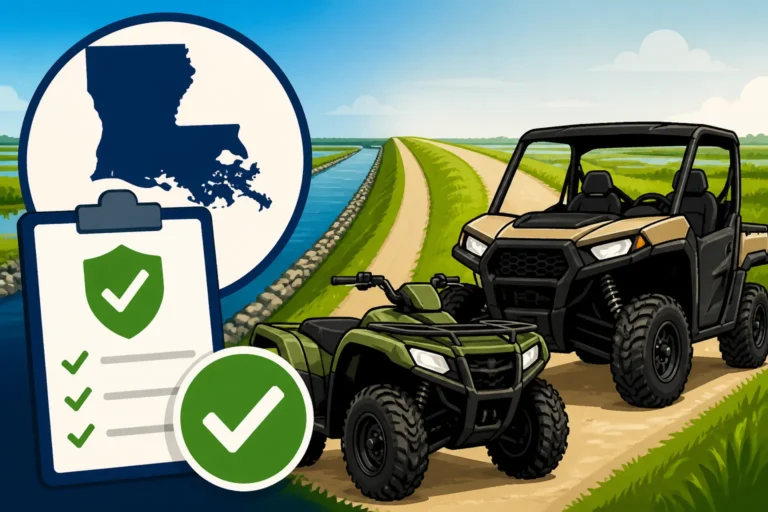
Let's talk about hitting the road in Louisiana with your ATV or UTV, especially when it comes to farm work. It’s a common frustration for riders across our state: you bought your machine to make life easier on the farm, but the rules about using it on public roads can feel like navigating a cane field in the dark. This guide is here to shine a light on one of the most crucial pieces of paperwork you'll need if you plan to ever put a tire on a public road for farm-related tasks: the notarized affidavit. We'll break down why it's so important, what it needs to say, and how to carry it to keep you in the clear with law enforcement.
The Specifics of Louisiana's Farm Exemption for Off-Road Machines
Louisiana’s roads are primarily for vehicles like cars and trucks, and generally, your ATV or UTV isn't meant for them. However, our state has recognized the practical necessity for those of us living and working in rural areas to use our machines for legitimate agricultural purposes. This is where the farm exemption comes in, offering a narrow, but vital, pathway for farm machinery to briefly touch public roads. It's not a free pass to cruise down the highway, but a carefully defined exception that allows you to move between fields, access different parts of your property, or perform other necessary farm functions.
What the Farm Exemption Allows (and Doesn't)
This exemption is often misunderstood, leading to headaches for many riders. The core of it is simple: if your ATV or UTV is primarily used for farm purposes, you can operate it on the shoulder of certain public roads. This isn't just any road, though; it's typically parish roads or highways that are not interstates, and only on the shoulder. You're not allowed in the travel lanes themselves.
Furthermore, there’s a geographical limit: you must be within a [Louisiana's 5-Mile Farm Radius] of your farm operation. This means you can't load up your quad and drive it twenty miles to a friend's farm under the same exemption. It's strictly about localized farm movement. You are also permitted to cross public roads at an intersection, provided it's incidental to your farm operation. Think about needing to move your machine from a field on one side of a road to another field directly across it. This brief crossing is usually permissible. However, it's crucial to remember that this exemption is about farm use, not recreational riding. A quick trip to the convenience store or visiting a buddy down the street generally won't qualify, even if you’re staying on the shoulder. This distinction is vital for avoiding trouble. [The Statute Allows the Shoulder and Nothing More] is a good reminder here.
The Role of the Affidavit in Proving Farm Use
Now, here's where the affidavit becomes your best friend. Imagine a scenario: you're riding your utility quad along the shoulder of a parish road, heading from your cattle pasture to your barn. A state trooper pulls up alongside you. Without any documentation, it’s just your word against a law that generally restricts ATVs and UTVs from public roads. How do you quickly and effectively prove that your ride isn't an illegal joyride but a legitimate part of your agricultural work, falling squarely within the farm exemption?
This is precisely why Louisiana requires an affidavit. It’s a sworn statement, a formal declaration that your machine is indeed primarily used for farm purposes and that you're operating it within the legal boundaries of the exemption. This document isn't just a suggestion; it's tangible proof that you understand and comply with the rules. It shifts the burden of proof from a verbal explanation in a potentially stressful roadside stop to a pre-prepared, legally binding statement. Without this piece of paper, a law enforcement officer has every reason to question your presence on the road, and you might find yourself facing a ticket or worse. It’s all about having your ducks in a row.
Why a Notary Makes Your Farm Affidavit Ironclad
So, we know an affidavit is important, but why does it need to be notarized? This isn't just an extra step to make things complicated; it's a critical legal safeguard that adds immense weight and credibility to your declaration. In the legal world, a simple signed statement doesn't carry the same authority as one that has been sworn before a public official like a notary.
The Legal Weight of a Notarized Document
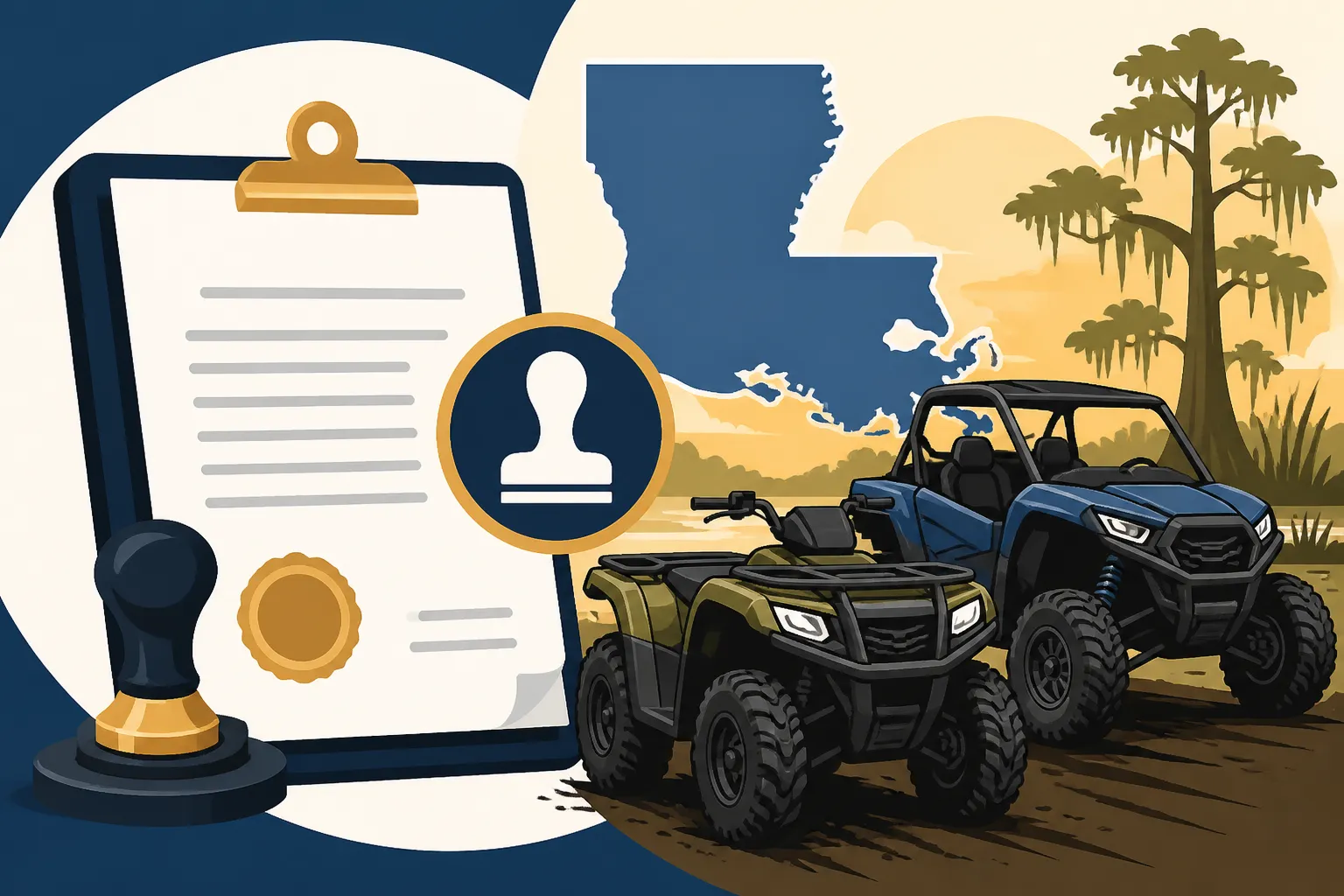
When you go to a notary public, you're not just getting a stamp on a piece of paper. The notary's role is multifaceted. First, they verify your identity, ensuring that the person signing the document is truly who they claim to be. This prevents fraud and ensures accountability. Second, they witness your signature, confirming that you signed the document willingly. Most importantly for an affidavit, they administer an oath or affirmation. This means you are formally declaring, under penalty of perjury, that the statements within the affidavit are true and correct to the best of your knowledge.
This official process imbues your farm use affidavit with significant legal weight. It transforms a personal statement into a legally recognized declaration, making it much harder for someone to dispute its authenticity or the truthfulness of its contents. For a law enforcement officer stopping you on a parish road, a notarized affidavit immediately signals that you've taken the official steps to declare your machine's primary use for agricultural purposes. It provides concrete, verifiable proof that you're operating within the confines of the [Louisiana Farm Affidavits for Road Use]. It helps prevent misunderstandings and establishes your legitimacy quickly and efficiently. Without the notary's seal, your affidavit is just a piece of paper you signed yourself, and it won't hold the same evidentiary value.
Consequences of Riding Without Proper Documentation
The flip side of having a strong, notarized affidavit is the potential trouble you can encounter without one. Louisiana law enforcement officers are trained to enforce traffic laws, and that includes rules for ATVs and UTVs. If you’re riding on a public road, even the shoulder, and you can’t produce the necessary documentation to justify your presence, you could be in for a rough stop.
The most immediate consequence is a citation, a ticket for illegal operation of an off-road vehicle on a public road. These tickets can come with fines, and court costs can add up quickly. Beyond the immediate financial hit, repeated offenses or particularly egregious violations could lead to more serious penalties, potentially even the impoundment of your machine. Imagine being stranded on the side of a rural road, your quad towed away, simply because you lacked a piece of paper that proves your farm exemption. It's a frustrating, costly, and entirely avoidable situation. [What a Louisiana State Trooper Can Ask to See] includes your paperwork, and if that paperwork isn't up to snuff, you're looking at trouble. Moreover, if your case ends up in court, the absence of a properly notarized affidavit makes it incredibly difficult to argue your compliance with the farm exemption. The court will look for clear evidence, and a notarized document is often the gold standard. To ensure you're protected, make sure you understand [Louisiana Penalties for Illegal Road Riding] and how your affidavit protects you.
Crafting and Carrying Your Essential Farm Use Affidavit
Now that you understand why this affidavit is so crucial, let's talk about the practical steps of getting one in place and ensuring it's always with you when you need it. It’s not a complex process, but attention to detail here can save you a world of trouble down the line.
Key Information to Include in Your Affidavit
A good farm use affidavit doesn't need to be overly complicated, but it does need to contain specific, essential information to be effective. Here's a rundown of what you should ensure is in your document:
- Your Full Legal Name and Address: This identifies you as the owner and operator. Make sure it matches your driver's license and any other identification you might carry.
- The Machine's Vehicle Identification Number (VIN): This is absolutely critical. The VIN uniquely identifies your specific ATV or UTV, tying the affidavit directly to the machine you are operating. Double-check that the VIN on the affidavit matches the VIN stamped on your machine perfectly.
- A Clear Statement of Primary Farm Use: This is the heart of the affidavit. You should explicitly state that the ATV or UTV identified by the VIN is primarily and predominantly used for legitimate agricultural purposes. This might include hauling feed, checking fences, transporting tools, or moving between fields on your farm.
- Declaration of the 5-Mile Radius Compliance: Affirm that any operation on public road shoulders under this exemption will occur within the legal 5-mile radius of your established farm operation.
- Your Signature: This must be an original signature, placed in the presence of the notary public.
- Date of Signing: Essential for record-keeping and proving currency.
While the OMV doesn't typically provide a specific form for this, a clearly worded, typed document containing all this information is perfectly acceptable. You can draft it yourself or have a local attorney help you. The goal is clarity and completeness, so there’s no room for ambiguity when a law enforcement officer reviews it. Remember, [Swearing an Affidavit That a Quad Is Farm-Only] requires truthful information.
The Notary Process and Keeping Your Affidavit Accessible
Getting your affidavit notarized is generally a straightforward process. Notaries public are widely available. You can often find them at:
- Banks and Credit Unions: Many financial institutions offer notary services to their customers, sometimes for a small fee or even free.
- UPS Stores or Other Shipping/Mail Centers: These locations frequently have notaries on staff.
- Real Estate Offices or Law Firms: While they primarily serve clients, some may offer notary services to the public.
- Parish Clerk of Court Offices: These governmental offices almost always have notaries.
When you go to the notary, remember to bring:
- The unsigned affidavit document: Do not sign it beforehand; you must sign it in the notary's presence.
- A valid government-issued photo ID: This is crucial for the notary to verify your identity. A Louisiana driver's license is perfect.
Once signed and sealed by the notary, this document becomes your official proof. Now, how do you carry it? This is where many riders make a mistake. You can't just leave it at home; it needs to be with you every time you operate your farm-exempt machine on a public road or shoulder.
Here are some tips for keeping it accessible and protected:
- Waterproof Bag or Document Holder: Whether it’s a Ziploc bag, a specific document pouch, or a waterproof case, protect your original affidavit from moisture, mud, and wear and tear. You can even find rugged, waterproof storage tubes designed for off-road use.
- Secure Storage on Your Machine: Don't just stuff it under your seat where it could get lost or damaged. Consider a small, secure storage box, a glove compartment, or a handlebar bag. The goal is to keep it readily available for inspection. Brands like SuperATV offer a range of storage solutions, from cargo boxes to door bags, that can provide a secure and weather-protected spot for your important documents.
- Original vs. Copy: Always carry the original notarized affidavit. While a copy might help in a pinch, law enforcement generally prefers to see the original document with the raised seal of the notary.
By taking these simple steps, you ensure that when you’re asked for your papers, you can confidently present them and keep your farm operations running smoothly. Carrying proper documentation is part of responsible off-road vehicle ownership in Louisiana, especially when you need to use public thoroughfares. Just like carrying your [Louisiana Decal Placement on a Machine], this is a must-do.
Navigating Road Encounters with Confidence
Even with all your paperwork in order, being stopped by law enforcement can be a little unsettling. The key is to know what to expect and how to respond professionally and courteously. Your preparedness, backed by your notarized affidavit, will make all the difference.
What to Expect When Stopped by Law Enforcement
Should a state trooper or local deputy stop you while you're operating your farm-exempt ATV or UTV on a public road shoulder, maintaining a calm and respectful demeanor is paramount. Here's a general guide to handling the situation:
- Stop Safely: Pull your machine over to the furthest right shoulder or a safe spot immediately when signaled.
- Remain Calm and Respectful: Greet the officer politely. Keep your hands visible.
- Explain Your Purpose: Briefly and clearly state that you are operating your machine for farm-related purposes, within the 5-mile radius, and on the shoulder as allowed by law.
- Present Documentation: Inform the officer that you have your notarized farm use affidavit, your [Louisiana ORV Decals and Titles Explained], and your identification. Ask if they would like to see them. Then, carefully retrieve and present the original notarized affidavit along with your ID and any other registration paperwork. This is precisely when [Carrying Papers on a Parish Road] pays off.
- Answer Questions Truthfully: Respond to any questions the officer has about your farm operation or your machine's use. Consistency and honesty are your best allies.
- Avoid Argumentation: If there's a misunderstanding or disagreement, remain polite. Your notarized affidavit is powerful evidence, and explaining its purpose calmly is more effective than arguing.
The notarized affidavit provides immediate, verifiable proof of your compliance. It often streamlines the interaction, allowing the officer to quickly confirm your eligibility for the farm exemption and send you on your way. They're looking for legitimate farm operations, and your affidavit helps them determine that you're one of them.
Beyond the Affidavit: Other Important Considerations
While the notarized affidavit is crucial for proving farm use on public road shoulders, it's not the only piece of the puzzle. There are other regulations and best practices that contribute to safe and legal operation:
- The Decal Requirement: Even if your machine is primarily used for farm work, it still needs to have a current [Louisiana's Yearly Off-Road Decal]. This decal is issued by the OMV and is separate from the farm exemption affidavit. It simply identifies your machine as a legally recognized off-road vehicle in Louisiana. Don't confuse the farm exemption with an exemption from needing a decal. [Does a Farm-Only Quad Need a Louisiana ORV Decal?] The answer is yes, it still needs the decal.
- Machine Visibility: When operating on public roads, even on the shoulder, visibility is key. Ensure your machine has working headlights and taillights, especially if there's any chance you'll be riding near dawn or dusk. Consider adding reflective tape or a bright flag, particularly if you’re carrying implements or have a wide side-by-side. Brands like SuperATV offer various lighting kits and safety accessories that can significantly improve your visibility and overall safety on or near public thoroughfares.
- Operating Safely: Always adhere to basic safety practices. This includes wearing appropriate safety gear, not carrying more passengers than your machine is designed for, and never operating under the influence. Even though you're on the shoulder for farm work, you're still sharing the road environment with other traffic.
- Age and Licensing: While the farm exemption focuses on the machine's use, general age and licensing rules still apply to the operator. For example, [Louisiana Requires UTV Drivers to Be 21] for certain public road uses. Ensure that anyone operating the machine on a public road for farm purposes meets the necessary age and licensing requirements. [What a Class E License Lets You Do] can be helpful in understanding general driving privileges.
By understanding and adhering to these requirements, including the critical notarized affidavit, you can operate your ATV or UTV on Louisiana’s public roads for farm tasks with peace of mind and confidence. It's about being a responsible rider and respecting the laws designed to keep everyone safe.
| Item | Requirement | Why it's Important |
|---|---|---|
| Your Legal Name & Address | Must match your ID and machine registration | Verifies ownership and personal information for law enforcement |
| Machine VIN | Must exactly match your ATV/UTV | Uniquely identifies your specific machine as the one used for farm purposes |
| Statement of Farm Use | Clearly state primary purpose is agricultural | Establishes intent and eligibility for the exemption |
| 5-Mile Radius Declaration | Affirm you are within 5 miles of your farm operation | Proves compliance with the geographical limitation of the exemption |
| Your Signature | Must be original and signed in front of a notary | Attests to the truthfulness of the information provided |
| Notary's Seal & Signature | Official stamp and signature of the notary public | Legally certifies your identity and that you swore to the affidavit's contents |
Disclaimer
This article is for general informational purposes only and does not constitute professional advice. Laws, prices and regulations vary by location and change over time. Consult a qualified professional for guidance on your specific situation.