Riding Under the Influence on Your Own Land
It's a common thought for many ATV and UTV enthusiasts across Louisiana: "If I'm on my own land, the rules don't apply." Maybe you've got a sprawling hunting camp out past Alexandria, a few acres outside Shreveport, or just a decent-sized yard in Lafayette, and you figure having a few beers while ripping around on your quad is harmless. You're not on a public road, so what's the big deal, right? Well, that assumption, while understandable, can lead to some pretty serious misunderstandings and even legal trouble here in the Bayou State. This guide is here to untangle the complexities of Louisiana's driving under the influence (DUI) laws as they relate to off-road machines on private property, making sure you understand where the law draws its lines and what the real-world consequences can be, even when you’re "just at home."
The Misconception of "Private Land Immunity" for DUIs in Louisiana
Let's be honest, it's almost intuitive to think that what you do on your own private property is entirely your business. This sentiment is deeply ingrained in American property rights, and it's easy to extend that idea to operating your ATV or UTV. However, when it comes to operating any vehicle, including off-road machines, under the influence, Louisiana law has some nuances that can catch even the most seasoned rural rider off guard.
Why Many Riders Believe They're Exempt
The core of this widespread belief stems from the distinction between public roadways and private land. Most people associate DUI laws strictly with driving cars or trucks on public streets, highways, and interstates. And for good reason – that's where the vast majority of DUI arrests occur. If you're pulled over on I-10 or a parish road, there's no question about the jurisdiction. This leads many to logically conclude that if they are operating their machine exclusively on land they own, or land they have explicit permission to use privately, they are outside the scope of such laws.
This perspective is often reinforced by the culture surrounding off-road riding, particularly at hunting camps, private mud parks, or rural properties where ATVs and UTVs are a way of life, not just recreation. It’s not uncommon for gatherings at these spots to involve both riding and alcoholic beverages. The thought is, "I'm not bothering anyone, I'm not endangering the public, so why should the state care?" It’s a compelling argument on the surface, but unfortunately, Louisiana's legal framework doesn't always align perfectly with this common-sense approach.
How Louisiana Law Defines "Operating a Vehicle" Under the Influence
Louisiana Revised Statute 14:98, the primary DUI statute, broadly addresses the crime of operating a vehicle while intoxicated. The crucial part here lies in how "vehicle" and "operating" are defined, and more importantly, the circumstances under which the law can extend its reach beyond the obvious public road. The statute generally refers to "operating any motor vehicle, aircraft, watercraft, or other means of conveyance." An ATV or UTV clearly falls under "motor vehicle" or "other means of conveyance."
While the traditional understanding of a DUI involves public roads, Louisiana case law and specific statutory interpretations have, in certain situations, expanded the reach to private property. The intent of the law is to prevent impaired individuals from operating dangerous machinery, irrespective of location, especially when that location could pose a risk to others or when the private land inadvertently becomes a "quasi-public" space. This means that simply being on your own property isn't an automatic shield against a DUI charge. The devil, as they say, is in the details of accessibility and specific circumstances.
Where Louisiana's DUI Laws Can Reach onto Private Property
This is where things get tricky, and where many Louisiana riders find themselves in an unexpected bind. The notion that "my property, my rules" gives you absolute immunity from DUI laws while riding your ATV or UTV is not always true. There are specific scenarios where Louisiana law enforcement can, and will, intervene.
Accessible to the Public: The Grey Area
One of the most significant exceptions to the "private land immunity" idea is when private property is considered "accessible to the public." This isn't about whether you intend for it to be public, but whether the public can reasonably access it. Think about the following situations:
- Private Mud Parks and Campgrounds: Places like Muddy Bottoms ATV Park or Louisiana Mudfest, while privately owned, are explicitly open to the public for a fee. If you’re riding under the influence at one of these parks, you are absolutely subject to DUI laws, just as you would be on a public road. These venues have their own [Louisiana Private Park Waivers and Rules] which often prohibit impaired riding, but state laws still apply. Officers can and do patrol these areas, especially during large events. [Alcohol at a Mud Park] is a common part of the social scene, but riding impaired is a different story.
- Hunting Camps with Shared Access: Many hunting camps are accessed via private roads, but these roads might be used by multiple camp members, guests, or even occasionally by utility companies or land managers. If there's general access, even if restricted by a gate or membership, it can sometimes be argued that the area is accessible enough to warrant DUI enforcement.
- Retail and Commercial Properties: Imagine you're riding your quad from the back of your business property to the front for some reason, and a sheriff's deputy observes you impaired. While it's private land, it's also a commercial enterprise generally open to the public during business hours.
- Roads or Driveways Visible from Public Thoroughfares: If your private road or long driveway is easily visible from a public road, and an officer observes you operating your ATV or UTV erratically or dangerously while appearing impaired, that observation from public land can be enough to initiate an investigation, even if the actual stop happens after you've pulled onto your private property.
The key question often becomes: Is the area generally available for public use or passage, even if conditional? If the answer is yes, then the legal distinction between public and private can blur considerably when it comes to DUI enforcement.
When Law Enforcement Can Intervene on Private Land
Even if your property isn't explicitly "open to the public," law enforcement isn't entirely powerless. There are several ways officers can legally intervene if they suspect you're riding under the influence on private land:
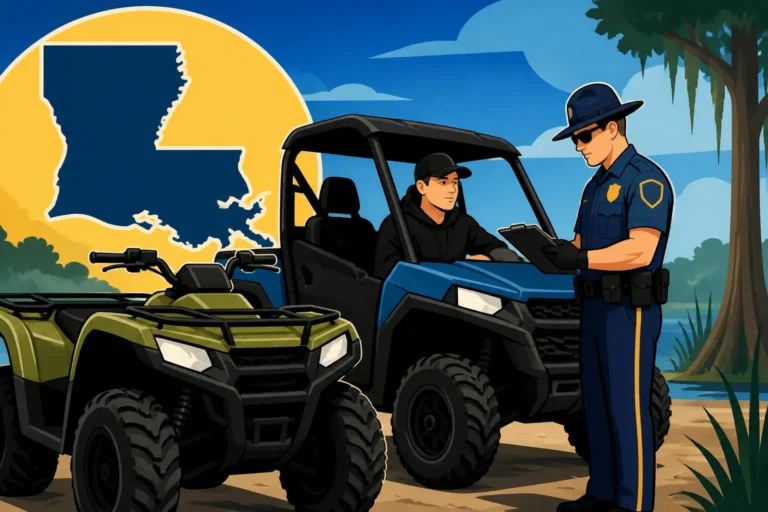
- Probable Cause and Observed Violations: If an officer, while on public property (like a parish road next to your fence line), observes you operating your ATV or UTV in an unsafe or reckless manner, or causing a disturbance while appearing intoxicated, they may have probable cause to investigate. This could lead to them entering your property to ensure public safety or investigate a potential crime.
- Response to an Accident or Complaint: If there's an accident on your property, especially one involving injury, emergency services will respond. When law enforcement arrives as part of that response, and they observe signs of impairment, they absolutely have the right to investigate for DUI. Similarly, if a neighbor calls in a complaint about reckless operation or excessive noise, and the officer observes you impaired upon arrival, a DUI investigation can commence. Remember, [Louisiana Accident Reporting for an ATV Crash] applies regardless of where the incident happens if it involves certain levels of damage or injury.
- Consent: If you grant an officer permission to enter your property, or if they are invited by another party who has authority to do so (e.g., a landowner at a multi-use hunting camp), they can then proceed with their investigation.
- Other Criminal Activity: If an officer is on your property investigating another crime (e.g., a theft, a domestic disturbance) and they happen to observe you operating an ATV or UTV while clearly intoxicated, they can add a DUI charge to the existing investigation.
It's critical to understand that the law often prioritizes public safety and the prevention of harm. While your private property rights are important, they are not absolute, especially when your actions could pose a danger, even if that danger is initially confined to your own land.
The Very Real Risks of Riding Impaired, Even at Home
Beyond the legal ramifications, which can be severe, riding an ATV or UTV while under the influence of alcohol or drugs carries significant practical risks. These machines are inherently less stable and more demanding to operate than a typical passenger vehicle, making impairment even more dangerous.
Beyond the Legal Penalties: Personal Safety and Property Damage
The most immediate and devastating consequences of impaired riding are often personal. ATVs and UTVs offer very little protection in a crash. When judgment, reaction time, and coordination are compromised by alcohol:
- Increased Risk of Accidents: You're more likely to misjudge terrain, lose control, hit obstacles, or roll over. Even a familiar trail on your own property can become deadly when you're impaired.
- Severe Injuries: Unlike cars with seatbelts, airbags, and enclosed cabins, off-road machines leave riders exposed. A crash, even at low speeds, can result in broken bones, concussions, spinal injuries, or worse. These injuries can lead to long-term disability, massive medical bills, and a drastically altered quality of life.
- Damage to Your Machine and Property: Beyond personal injury, there's the cost of damaging your expensive ATV or UTV. Repairs can be substantial, and if you crash into fences, trees, or structures on your own property, you're looking at additional repair costs.
It's easy to think "it won't happen to me," but impairment drastically increases the odds of a catastrophic event. No recreational high is worth the potential cost to your health, your machine, or your future.
Insurance Implications and Liability
Many riders don't consider the financial fallout if an accident occurs while they're impaired. Even if you've purchased [Insuring a Quad That Never Leaves Private Land], operating under the influence can void your coverage.
Here’s how insurance and liability can become a nightmare:
- Voided Insurance Coverage: Most insurance policies, whether for auto, home, or recreational vehicles, contain clauses that exclude coverage for incidents occurring while the insured is operating under the influence. This means if you have an accident while impaired, your insurer can deny your claim for damages to your machine or property.
- Medical Bills and Lost Wages: If your health insurance also has exclusions related to criminal activity or self-inflicted harm (which some policies might argue in a DUI scenario), you could be on the hook for all your medical bills. Add to that lost wages from recovery, and a "fun night" can quickly become a financial ruin.
- Civil Liability: This is a big one. Even on your own private property, you can be held civilly liable for injuries to others. Imagine a friend or family member is riding as a passenger on your UTV, or is simply present on your property, and you crash while impaired, causing them injury. They could sue you for their medical expenses, pain, suffering, and lost wages. Your homeowner's insurance might typically cover liability for accidents on your property, but again, if you were intoxicated, those policies often have exclusions. The financial burden could be immense, potentially wiping out your savings or even forcing the sale of your property.
A night of impaired riding can lead to much more than just a ticket; it can lead to financial devastation and a lifetime of regret.
Table: Risks and Potential Consequences of Impaired Riding
| Risk Category | On Public Land (Roads, Designated Trails) | On Private Land (Hunting Camp, Farm, Yard) |
|---|---|---|
| Legal Penalties | DUI arrest, fines, jail, license suspension, criminal record, [Louisiana Penalties for Illegal Road Riding] | Possible DUI arrest (depending on accessibility/circumstances), fines, jail, criminal record |
| Personal Safety | High risk of severe injury, death | High risk of severe injury, death (even familiar terrain is dangerous) |
| Property Damage | Damage to machine, public property | Damage to machine, personal property, other vehicles |
| Insurance Coverage | Likely voided for vehicle damage, medical costs | Likely voided for vehicle damage, medical costs; potential homeowner's liability exclusion |
| Civil Liability | Liable for damages to others, legal fees | Liable for damages to guests/others on property, legal fees |
| Reputation/Future | Damaged reputation, difficulty with employment/loans | Damaged reputation, family/friend strain |
Best Practices for Responsible Off-Road Riding in Louisiana
Understanding the risks and legal nuances is the first step. The next is adopting practices that ensure everyone stays safe and out of trouble, whether you're at a popular mud park or just kicking around your own land.
Designating a Sober Driver or Area
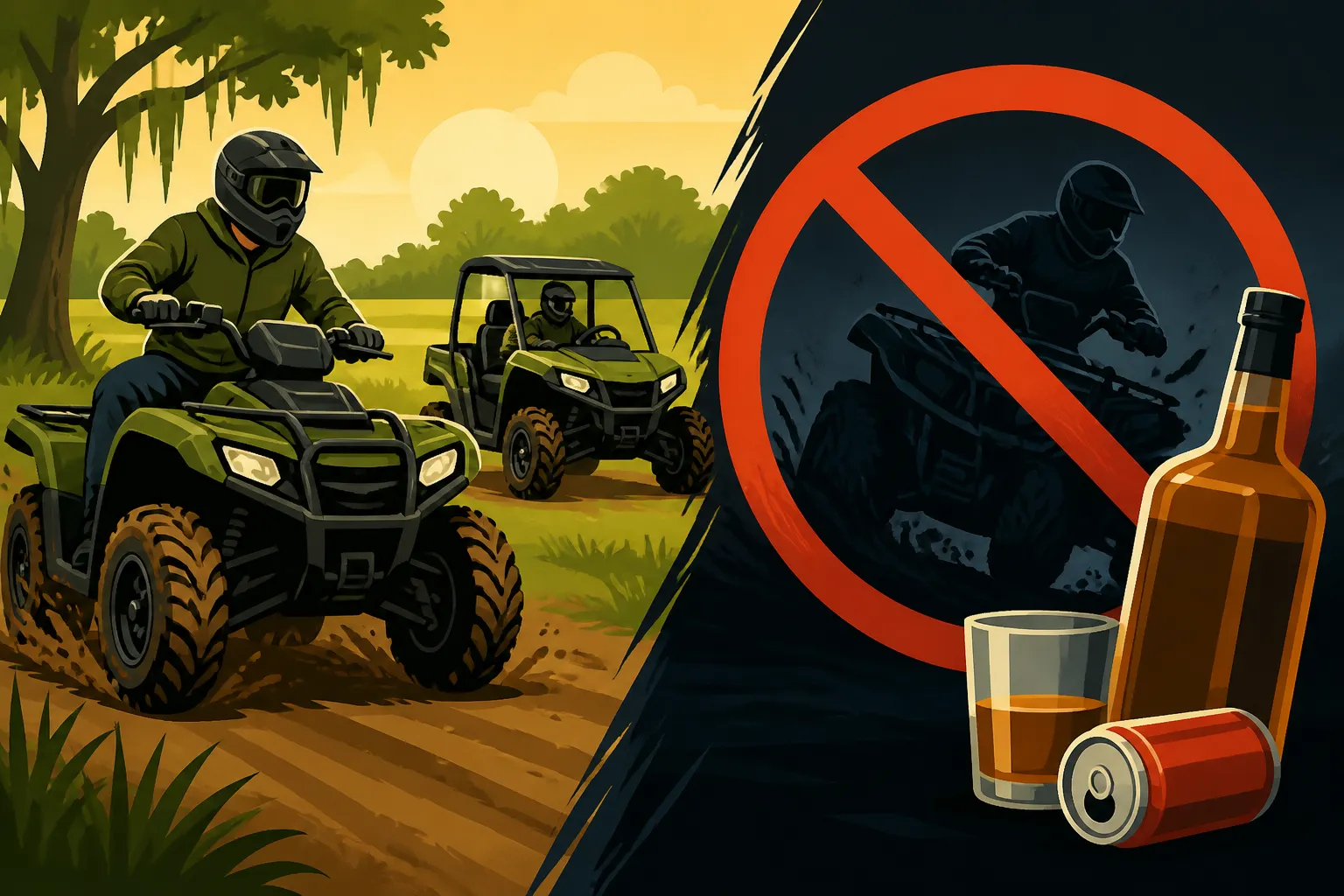
The simplest and most effective way to avoid issues with impaired riding is to completely separate alcohol consumption from operating your ATV or UTV.
- Designate a Sober Rider: Just like with cars, if you're planning a gathering where alcohol will be served, have someone agree to be the sober rider. This person is responsible for all machine operation, especially if you need to trailer machines or move them around.
- Separate Riding from Socializing: Create a clear distinction between where you ride and where you consume alcohol. For example, if you're at a hunting camp, park the machines and secure the keys once the drinks come out. Don't resume riding until everyone is completely sober.
- No Alcohol While Riding Rule: Implement a strict rule on your property: no one operates an ATV or UTV if they've been drinking. Make sure this rule is communicated clearly to any guests. This removes ambiguity and reduces the temptation.
These practices aren't about limiting your fun; they're about ensuring everyone goes home safe and avoids legal headaches.
Equipment and Maintenance for Safety
While no amount of good equipment can compensate for impaired judgment, maintaining your machine and having the right gear is always crucial for safety. Whether you're navigating the deep mud of a private park or just cruising your property, a well-prepared machine reduces other risks.
- Pre-Ride Checks: Before every ride, check your tires, brakes, lights, and fluid levels. A small mechanical issue can become a major accident, especially if your senses are dulled.
- Appropriate Tires: Louisiana terrain can be unpredictable, from soft sand to deep mud. Having the right tires, and ensuring they are in good condition, is vital for traction and control. Companies like SuperATV offer a wide range of specialized tires and accessories designed to handle the toughest conditions, improving overall stability and performance.
- Adequate Lighting: If you ride even close to dusk or dawn, ensure your headlights and taillights are fully functional. Upgraded lighting from brands like SuperATV can dramatically improve visibility, both for you and for anyone else who might be in the area.
- Protective Gear: Helmets are non-negotiable for safety, especially on ATVs. [Louisiana ATV Helmet Rules] might be state-specific, but common sense dictates wearing one. Eye protection, gloves, and sturdy footwear are also essential.
Understanding Local Ordinances and Permits
Even on private land, you're not entirely isolated from local regulations. It's a good idea to be aware of:
- Noise Ordinances: If your property is near residential areas, loud exhaust or late-night riding can lead to [Louisiana Noise Complaints About Quads] from neighbors, prompting law enforcement visits.
- Event Permits: If you're hosting a large gathering or riding event on your private land, some parishes or municipalities might require special permits, especially if it involves amplified music, significant traffic, or potentially hazardous activities.
- Property Use Restrictions: Check your parish's zoning laws. While uncommon for casual riding, excessive or commercial-scale off-road activity might run afoul of certain land-use designations.
Responsible riding, whether on public trails or your own backyard, means being a good neighbor and an informed property owner. By understanding where the lines are drawn, and by prioritizing safety and clear judgment, you can ensure your off-road adventures in Louisiana remain fun and free of serious consequences. For more general information on avoiding pitfalls, you might find [Louisiana Rules Riders Get Wrong] helpful.
Disclaimer
This article is for general informational purposes only and does not constitute professional advice. Laws, prices and regulations vary by location and change over time. Consult a qualified professional for guidance on your specific situation.