Louisiana Decal Replacement If Lost
There's nothing quite as frustrating as realizing that a crucial piece of paperwork or identification for your off-road machine has gone missing. Whether it fluttered off during a windy ride in the Kisatchie National Forest, peeled away after a particularly aggressive mud bath, or simply vanished from your garage, a lost Louisiana off-road decal can throw a serious wrench into your riding plans. This guide is here to walk you through the precise steps to replace that missing decal, ensuring you can get back to enjoying the trails without the lingering worry of potential fines.
Why a Lost Decal is Such a Headache and Why You Need to Replace It Fast
That little sticky rectangle might seem insignificant, but in Louisiana, it’s your machine's ticket to legal riding on designated public lands and through specific programs. Losing it isn't just an inconvenience; it can expose you to some real headaches and even penalties if you're caught riding without the proper identification. The OMV wants to make sure every off-road vehicle (ORV) that’s on the move in Louisiana is accounted for, and that decal is a big part of that system.
The Immediate Risks of a Missing Decal
Imagine you're out on the trails near Muddy Bottoms, having a fantastic time, when suddenly a game warden or a state trooper pulls up. Their first question, after a friendly greeting, will likely be about your machine's decal. If it's missing, even if you just lost it an hour ago, you're in a tough spot. Louisiana law is pretty clear: if you're operating your ATV or UTV where a decal is required, you need to have it displayed. Ignoring this can lead to some significant consequences.
The immediate risk is a citation, which can carry a hefty fine. Nobody wants to cut a fun day short with a ticket that drains their wallet. Beyond that, a persistent lack of compliance, or riding in areas where decals are strictly enforced, could even lead to your machine being impounded in extreme cases, though that's usually reserved for more serious infractions or repeat offenses. It’s better to nip the problem in the bud and get that replacement decal as soon as you notice the original is gone. Remember, peace of mind on the trail is priceless, and that starts with being fully compliant.
Understanding Louisiana's Off-Road Decal System
Louisiana operates a pretty straightforward system for off-road vehicles, requiring both a title and an annual decal for most machines that aren't exclusively used for agriculture on private land. The OMV is the agency that handles all of this, not the Department of Wildlife and Fisheries, as some folks mistakenly believe. This decal is designed to contribute to safety initiatives and trail maintenance, and it signals that your machine is properly registered with the state.
The decal itself typically runs on a four-year cycle, with a [Louisiana Charges $3 a Year for a Decal] fee. This means you’re essentially paying for four years of decal validity upfront or on a prorated basis depending on when you initially registered. It's a small fee for the access and legitimacy it provides. Knowing how this system works helps you understand why replacement is so important and what information the OMV will be looking for when you go to get a new one. The good news is, once you understand the process, replacing it is usually much simpler than getting the initial one. You can read more about the overall system in [Louisiana ORV Decals and Titles Explained].
Steps to Replace Your Lost Louisiana Off-Road Decal
Replacing your lost off-road decal doesn't have to be a nightmare, but it does require a bit of preparation to ensure a smooth visit to the OMV. Think of it like a treasure hunt, but instead of finding gold, you're finding the right documents to unlock your new decal. The key is to be organized and understand exactly what the folks behind the counter will need from you.
Gathering Your Essential Documents
Before you even think about heading to a local OMV office, you need to have your ducks in a row. The most critical item you'll need is proof of ownership. For most riders, this means your machine's Louisiana title. If you've financed your machine and the lienholder still holds the physical title, you'll want to have the machine's VIN readily available, along with your registration information. The OMV can look up the title record based on the VIN and confirm you are the registered owner.
Beyond proof of ownership, you'll also need a valid photo ID. This is standard procedure for just about any transaction at the OMV. Think your driver's license or state ID. Make sure it's current and the address matches what the OMV has on file for your machine. If your address has changed, you might need to update that first, which could require additional proof of residency, like a utility bill. Lastly, having your previous decal's number, if you happen to have it recorded somewhere, can sometimes speed up the process, though it’s not strictly mandatory if they can verify ownership with your title and ID.
Where to Go for a Replacement Decal
Unlike some other states, Louisiana's OMV handles nearly all aspects of off-road vehicle registration and titling. This means your destination for a replacement decal is any full-service Office of Motor Vehicles location across the state. You can't just pop into a local sporting goods store or even some smaller satellite offices; you'll need the full OMV experience.
It’s always a good idea to check the operating hours of your local OMV before you head out. Some offices might have specific hours for certain types of transactions, or they might be busier on particular days. A quick check online can save you a wasted trip. While you're there, you'll likely fill out a specific form for a duplicate decal. Don't worry, the OMV clerks are used to these requests and can guide you through the form if you have any questions. They've heard every question in the book, including [Louisiana Title Questions Clerks Hear]!
What to Expect at the OMV Counter
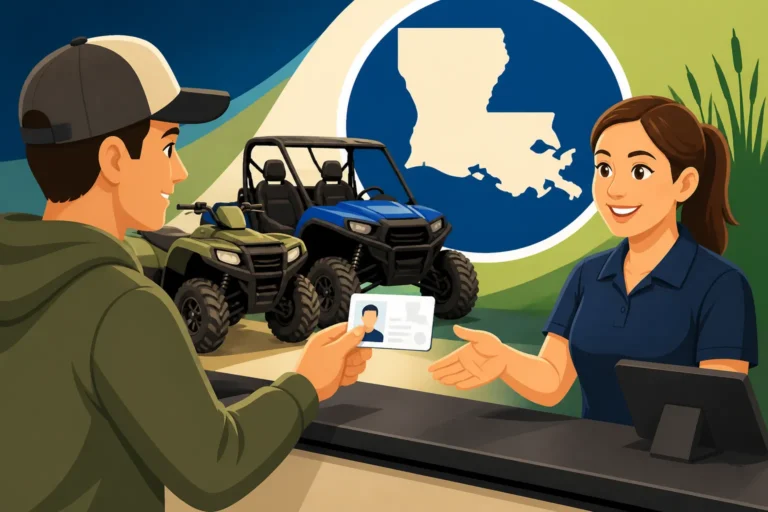
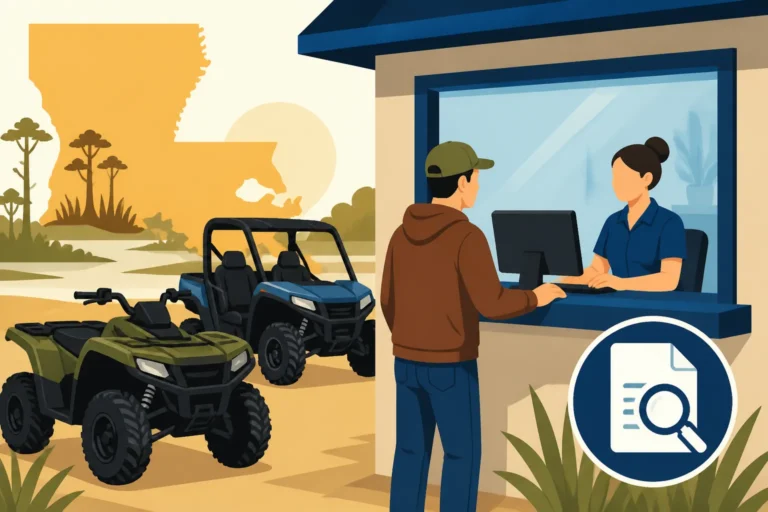
Once you arrive at the OMV with your documents in hand, you’ll typically take a number and wait for your turn. When called to the counter, present your identification and proof of ownership. The clerk will verify your information, pull up your machine's record in their system, and process your request for a duplicate decal. You will need to pay a small fee for the replacement. While the annual decal fee itself is modest, there might be a nominal processing fee for issuing a duplicate. Be prepared to pay with accepted [Louisiana Title Payment Methods], which usually include cash, check, or credit/debit card, though this can vary by location.
After the payment is processed, you'll be issued a new decal on the spot. It's that easy, provided you have all the necessary paperwork. The clerk will usually hand it to you and remind you to affix it properly to your machine. It’s crucial to attach it as soon as possible, especially if you plan on riding soon, to avoid any issues. You have [You Have 30 Days to Affix the Decal] once you receive it. This ensures you're immediately back in compliance.
Common Roadblocks and How to Overcome Them
Even with the best intentions, sometimes things don't go as smoothly as planned at the OMV. Life happens, and sometimes your personal records or machine's history might present a unique challenge. But don't despair! Most roadblocks have a clear path to resolution, and understanding them beforehand can save you a lot of stress.
When Your Paperwork Isn't Quite Right
One of the most common issues people face when trying to get a replacement decal is incomplete or incorrect paperwork. Maybe your name on the title is slightly different from your ID, or perhaps the address isn't updated. If you can't immediately produce the physical title because it's still held by a lienholder, a simple printout from your online bank portal showing your loan or a bill of sale with the VIN can often suffice as supporting documentation, along with your photo ID for verification.
Sometimes, people lose their title altogether, not just the decal. In that scenario, you’ll need to apply for a duplicate title first, which is a separate process. You can’t get a decal replacement without proving ownership, and a lost title is a bigger hurdle. If you bought your machine through a private sale and never transferred the title correctly, that could also cause issues. The OMV needs to see a clear chain of ownership. If you’re in a sticky situation with a private sale, you might need a [Louisiana Notarized Bills of Sale] to help clear things up. If you bought it from a dealer, make sure you have your [Louisiana Itemized Dealer Invoices] handy, as those often contain all the necessary details.
Dealing with Damaged or Unreadable Decals (Not Just Lost Ones)
Sometimes, your decal isn't truly "lost," but it's so faded, torn, or damaged that it's unreadable. Maybe a branch scraped against it too many times, or the sun's harsh rays bleached it into oblivion. In the eyes of the law, an unreadable decal is pretty much the same as no decal at all, because it can't serve its purpose of identifying your machine.
The process for replacing a damaged or unreadable decal is essentially the same as replacing a lost one. You'll still need to go to the OMV with your proof of ownership and photo ID. The main difference is that you might have the remnants of the old decal on your machine, which you should remove before applying the new one. Just explain the situation to the OMV clerk, and they'll guide you through the duplicate decal process. It’s always best to proactively replace a decal that’s becoming illegible rather than waiting until you run into a problem on the trail.
Keeping Your New Decal Safe and Sound
Once you've gone through the trouble of replacing your lost decal, the last thing you want is to find yourself in the same predicament a few months down the road. A little bit of care and attention to detail can go a long way in protecting your new decal and ensuring it stays put for its full lifespan.
Proper Placement and Care for Your Decal
The OMV isn't just particular about having a decal; they're also pretty specific about [Louisiana Decal Placement on a Machine]. Generally, decals should be affixed to a clean, flat, and visible surface on your ATV or UTV. This usually means a fender, the front hood area, or sometimes a designated spot near the handlebars. The key is that it should be easily seen and read by an enforcement officer without having to search for it.
Before you stick on your new decal, make sure the area is thoroughly cleaned and dry. Any dirt, grease, or moisture can prevent the adhesive from bonding properly, leading to peeling and premature loss. Once it's on, try to avoid scraping the area or exposing it to harsh chemicals when cleaning your machine. While these decals are designed to be durable and withstand the elements, giving them a little extra care will extend their life significantly. Think of it as protecting your investment in hassle-free riding.
What to Do If Your Decal Is Stolen (More Than Just Lost)
While most lost decals are simply the victim of vibrations, weather, or poor adhesion, sometimes a decal might be deliberately removed, or even stolen. This is a much rarer occurrence but can happen. If you suspect your decal was stolen rather than just lost or came off naturally, it adds another layer to the replacement process, but it's not insurmountable.
In this specific scenario, you might consider filing a police report. While not strictly required by the OMV for a duplicate decal, having a report can be beneficial, especially if the stolen decal ends up being used in some unauthorized way. It creates a paper trail and protects you from any potential liabilities. Then, with or without a police report, you'll follow the exact same steps to replace your decal at the OMV: present your title, photo ID, and explain the situation. The OMV will then issue you a new one. It’s another reminder that staying vigilant about your machine’s identification is just as important as keeping it fueled and maintained for those epic Louisiana adventures. For more on the specific requirements, check out [Louisiana's Yearly Off-Road Decal].
| Requirement for Decal Replacement | Details to Have Ready |
|---|---|
| Proof of Ownership | Your Louisiana ATV/UTV Title (physical copy or VIN if held by lienholder) |
| Personal Identification | Valid Louisiana Driver's License or State ID (photo ID, current address) |
| Reason for Replacement | Clearly state if the decal is lost, stolen, or damaged |
| Payment for Fees | Cash, check, or credit/debit card for the duplicate decal fee (check OMV for accepted methods and current fee amounts) |
| Machine Information | VIN (Vehicle Identification Number) of your ATV/UTV |
| Previous Decal Number (Optional) | If you have it recorded, it can sometimes assist the clerk in locating your record quickly |
Disclaimer
This article is for general informational purposes only and does not constitute professional advice. Laws, prices and regulations vary by location and change over time. Consult a qualified professional for guidance on your specific situation.