Louisiana Decal Placement on a Machine
It’s a small sticker, but that little off-road vehicle (ORV) decal from the Louisiana Office of Motor Vehicles (OMV) carries a lot of weight – and confusion! Many riders grapple with where exactly to stick this vital piece of paper, worrying about it getting torn off by a low-hanging branch, fading in the relentless Louisiana sun, or simply not being visible enough to avoid a friendly chat with a state trooper. This guide is here to clear up all that head-scratching, helping you understand the official rules, practical tips, and common pitfalls of getting your decal placed just right on your ATV, UTV, or dirt bike.
Why Proper Decal Placement Matters So Much
You might think, "It's just a sticker, who cares where it goes?" But trust me, as someone who's seen riders pulled over for the simplest of reasons, the placement of your Louisiana ORV decal is more important than you might realize. It's not just about aesthetics; it’s about compliance, visibility, and even protecting your investment. Getting it wrong can lead to unnecessary headaches, something we all want to avoid when we're trying to enjoy the trails.
Avoiding Fines and Frustration
Let's be real: nobody wants to get a ticket. Louisiana law enforcement, including our state troopers and game wardens, is looking for properly decaled machines, especially when you're out on public lands or crossing designated parish roads. If your decal isn't visible or is placed somewhere that obscures it, it can be a red flag. An improperly displayed decal can be just as problematic as having no decal at all, leading to potential fines and the inconvenience of having to prove your machine is legally registered. This is where understanding [Louisiana Penalties for No Decal] really comes into play; it’s not just about having one, but having it right.
Imagine you're having a fantastic day out at Muddy Bottoms or tearing through Kisatchie National Forest. You pull off the trail for a quick break, and a deputy rolls up. If they have to hunt for your decal, or if it's placed in an area that's prone to mud and grime, you're immediately starting on the wrong foot. Proper placement ensures that from a quick glance, an officer can easily verify your compliance, letting you get back to riding without delay. It's a small step that prevents big frustrations down the line, ensuring you don't unintentionally become part of a statistic for [Decal Mistakes the OMV Sees Over and Over].
Ensuring Visibility and Compliance
The primary reason for a decal is identification. It tells anyone who needs to know that your machine has met the state's registration requirements. Think of it like a license plate for your off-road machine, just in a different format. This visibility is crucial for law enforcement, park rangers, and even for identifying machines in case of an accident or theft. The OMV has specific guidelines, not just for having the decal, but for how it should be displayed, to ensure this visibility.
Compliance isn't just about avoiding trouble; it’s about contributing to the system that helps maintain our trails and ensure responsible riding. That small fee for the decal goes towards supporting off-road recreation in Louisiana, and its visibility is part of the accountability process. Ensuring your decal is easily seen reinforces your commitment to legal and safe riding. It’s a simple way to show you’re a responsible rider, respecting the rules that allow us to enjoy our great outdoors. This ties directly into understanding [What the $3 Yearly Off-Road Decal Buys] and why it's more than just a sticker.
Protecting Your Investment Decal's Lifespan
Let's face it, our off-road machines live a tough life. They get caked in mud, blasted by water, scraped by branches, and exposed to all the elements Louisiana can throw at them. If you slap your decal on a fender that's constantly taking a beating, or an area that gets submerged in every mud hole, it’s not going to last. A tattered, faded, or missing decal means you’ll have to go through the hassle and potential cost of getting a replacement. This is an unnecessary expense and inconvenience that can easily be avoided with thoughtful placement.
Considering the lifespan of your decal is also about understanding the [Louisiana Decal Cycles and Their Length]. These decals are designed to last, but they're not indestructible. By choosing a strategic location – one that offers some protection from the elements and physical impacts – you extend its life. This means fewer trips to the OMV, less paperwork, and more time on the trails. Taking a moment to think about where you place it can save you future headaches and keep your machine in compliance for the long haul without needing a [Louisiana Decal Replacement If Lost].
Where to Affix Your Louisiana ORV Decal
Okay, so we know why it matters. Now, let’s get down to the brass tacks: where do you actually put this thing? The OMV has guidelines, but applying them practically to the vast array of ATVs, UTVs, and dirt bikes out there can still feel a bit ambiguous. Don't worry; we'll break it down.
The Official Guidelines from the OMV
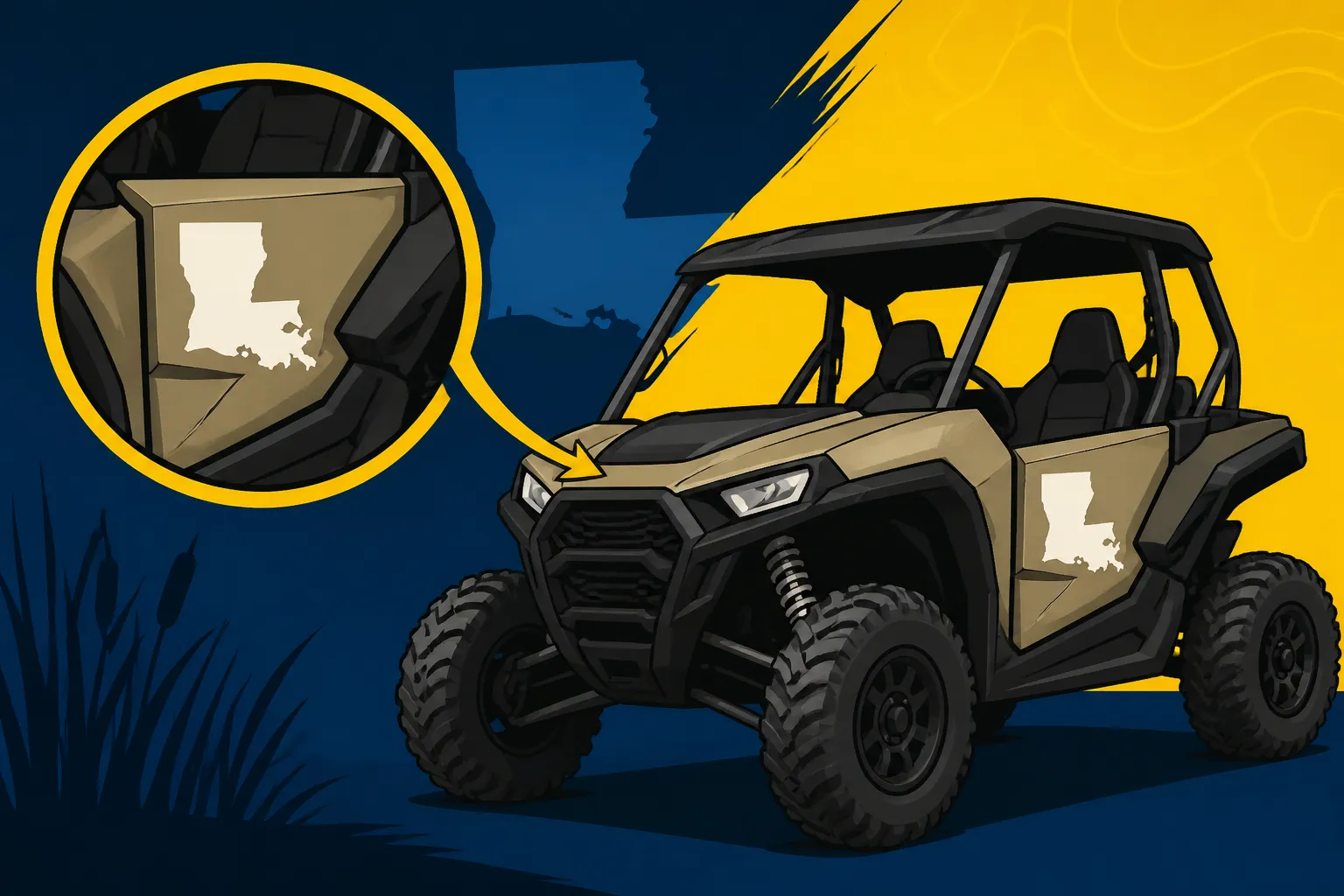
The Louisiana OMV states that the ORV decal should be affixed to the right-hand side of the front fork or frame for ATVs and dirt bikes, and to the right-hand side of the front cowl or frame for UTVs. The key here is "right-hand side" and "visible." This isn't just some arbitrary rule; it's designed to ensure consistency and ease of identification for law enforcement. They know exactly where to look when they see an off-road machine.
It's important to understand that these guidelines are pretty clear for a reason. They aim to avoid situations where the decal is hidden by accessories, rider positioning, or simply caked in mud from a recent excursion. When you're dealing with official documents like titles, bills of sale, or even just confirming ownership, consistency is key. Sometimes, you might even need to present these types of documents, perhaps prepared with the help of resources like LawDepot, to the OMV when you first get your [Louisiana ORV Decals and Titles Explained]. So, adhering to the decal placement rule is just another facet of overall compliance.
Practical Placement Tips for Different Machines
While the OMV provides general guidance, let’s get specific for common machine types.
For ATVs:
On an ATV, the "right-hand side of the front fork or frame" usually means on the steering stem area, or on the frame tube running down from the handlebars on the right. Some riders opt for the upper portion of the right front fender, as it’s often visible and less prone to getting scraped by boots or trail debris. The main goal is to pick a flat, clean surface that won't obscure the decal when you're sitting on the machine or riding through brush. Make sure it's not on a movable part where it could get folded or ripped.
For UTVs (Side-by-Sides):
For UTVs, the "right-hand side of the front cowl or frame" gives you a bit more leeway due to the larger body. Many UTV owners place it on the glove box door (if on the right), the passenger side dashboard, or a flat, visible section of the plastic bodywork near the front passenger side. The key is to ensure it’s easily seen from the outside and isn't covered by a windshield wiper, mud flap, or aftermarket accessory. Again, a clean, flat surface is crucial for good adhesion. When you first register your UTV, knowing [Registering a Side-by-Side in Louisiana] will also involve ensuring you have the proper paperwork, which might include documents drafted or reviewed with the help of LawDepot to confirm ownership.
For Dirt Bikes:
Dirt bikes, like ATVs, usually have the decal placed on the right-hand side of the front fork tube or the frame where it's not going to be easily rubbed off by riding boots or knee braces. The front number plate can also be a spot if it’s on the right side and doesn’t interfere with other required signage. The general rule of thumb is to pick a spot that's relatively protected but still clearly visible when looking at the bike from the front or side.
Here's a quick summary table for common decal placement:
| Machine Type | Recommended Placement Area | Key Considerations |
|---|---|---|
| ATV | Right-hand side of front fork tube, steering stem, or upper front fender. | Choose a flat, clean, and relatively protected area. Ensure it's not easily scraped by boots, branches, or mud. Must be visible from the front/side. |
| UTV/Side-by-Side | Right-hand side of front cowl, passenger side dash, or flat body panel near the front passenger area. | Prioritize clear visibility from the outside. Avoid areas prone to heavy mud splatter, wipers, or where accessories might cover it. Ensure surface is clean and flat for best adhesion. |
| Dirt Bike | Right-hand side of front fork tube, frame near handlebars, or right side of front number plate. | Select a spot that avoids rider contact (boots, knee braces) and trail impact. Must be clearly visible from the front/side. |
Common Mistakes to Avoid
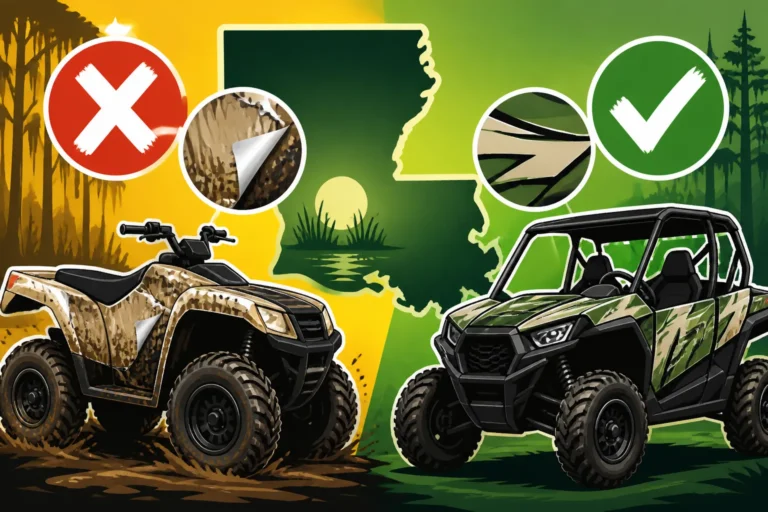
Even with guidelines, it’s easy to make mistakes. One of the biggest no-nos is placing the decal on the underside of a fender or in a location where it can only be seen if you get down on your hands and knees. This defeats the purpose of visibility. Another common error is placing it on a part of the machine that is frequently removed or swapped out, like an easily detachable fairing or a temporary mud guard. You want it on a permanent part of the machine.
Beyond hiding the decal, applying it to a dirty, greasy, or textured surface is a recipe for disaster. It will likely peel off, leaving you without proof of registration and potentially risking a ticket. Make sure the area is meticulously cleaned and dry before application. Don't forget that [You Have 30 Days to Affix the Decal] once issued, so don't let it sit in an envelope, forgetting where it needs to go or letting it get damaged before you even apply it.
Maintaining and Protecting Your Decal
Once that precious decal is on your machine, you want to make sure it stays put and remains legible for its entire lifecycle. The Louisiana outdoors can be tough on these little stickers, so a bit of care goes a long way. This isn't just about avoiding a fine; it's about making sure your compliance is always clear.
Preparing the Surface for Longevity
The success of your decal's adhesion hinges on proper surface preparation. First, clean the chosen area thoroughly. This means more than just a quick wipe down. Use a degreaser or rubbing alcohol to remove any oils, waxes, dirt, or old adhesive residue. Then, let the surface dry completely. Any moisture trapped underneath will compromise the adhesive.
Once clean and dry, consider the temperature. Applying a decal on a cold, damp morning might not result in the best bond. Warmer, dry conditions usually lead to stronger adhesion. When applying, press firmly, working from one side to the other to avoid air bubbles. Smooth out any bubbles with your thumb or a credit card. Taking these extra few minutes during application can significantly increase your decal's lifespan, saving you the hassle of a [Louisiana Decal Replacement If Lost] down the road.
What to Do If Your Decal Gets Damaged or Lost
Despite your best efforts, sometimes accidents happen. A tree branch might scrape it off, intense sun might fade it beyond recognition, or it could simply peel away after a particularly aggressive mud bath. If your decal becomes unreadable or goes missing, you need to address it promptly. Operating your machine without a valid, visible decal is like driving without a license plate—it's just asking for trouble.
You’ll need to contact the OMV to obtain a replacement. This usually involves a small fee and some paperwork. Having your original registration documents and proof of ownership ready will expedite the process. This is another area where a clear [Louisiana Itemized Dealer Invoices] or a properly executed [Louisiana Notarized Bills of Sale] (which you might create with a service like LawDepot for other transactions) can be incredibly useful to verify your machine’s identity and ownership when dealing with the OMV. Don't put it off; the sooner you replace it, the sooner you can ride worry-free.
Understanding Decal Cycles and Renewals
It's also crucial to remember that your ORV decal isn't a one-and-done affair. Louisiana decals operate on a specific cycle, and you’ll need to renew it periodically. This typically involves a small yearly fee, often charged in a multi-year cycle. Missing a renewal date means your decal expires, rendering it invalid, even if it's still stuck firmly to your machine. Keeping track of your renewal date is just as important as proper placement.
The OMV usually sends out reminders, but it’s always a good idea to mark your calendar or set a digital reminder. Understanding [Louisiana Decal Cycles and Their Length] can help you anticipate when renewals are due. Staying on top of renewals, alongside proper placement, ensures continuous compliance and avoids any surprises when you're out enjoying Louisiana's beautiful trails and riding areas.
When and How the Decal Is Inspected
Knowing when and how your decal might be inspected can help alleviate anxiety and reinforce the importance of proper placement. It's not just about getting it on; it's about keeping it in a condition that will pass muster with officials. Our off-road machines are often used in remote areas, but that doesn't mean they escape scrutiny.
Routine Checks by Law Enforcement
Law enforcement, including Louisiana State Troopers, parish deputies, and Department of Wildlife and Fisheries (LDWF) agents, conduct routine checks on ORVs, especially in areas known for off-road recreation like state forests, Wildlife Management Areas (WMAs), and popular mud parks. These checks are typically for safety, compliance with riding regulations, and verifying registration. Your decal is often the first thing they look for. A visible, unexpired decal makes their job easier and often means a quicker interaction for you.
When an officer approaches, they're often looking for that decal right away. If it’s tucked away, faded, or covered in mud, it could lead to them asking for additional identification and paperwork, like your [Louisiana Title and Proof of Address] or even a bill of sale to verify ownership. This is why having it correctly placed and in good condition is so vital. It’s part of the first impression your machine makes, and a good impression can save you time and hassle.
What Happens If Your Decal Is Improperly Placed
If your decal is improperly placed—meaning it’s not visible, or it’s not on the specified side of the machine—you could still face consequences, even if you technically have one. An officer might issue a warning, or they could escalate to a citation, depending on their discretion and the specifics of the situation. They might interpret an obscured decal as an attempt to evade registration, even if that's not your intention.
It’s crucial to understand that simply possessing the decal isn't enough; it must be displayed in accordance with OMV regulations. An improperly placed decal creates doubt and could force you to go through the extra step of proving that your machine is, in fact, registered. This is where understanding [What a Louisiana State Trooper Can Ask to See] becomes important, as they have the authority to request further documentation if the initial visual check isn't clear. To avoid this, take the time to place it correctly from the start.
The Importance of Up-to-Date Paperwork
While this guide focuses on decal placement, it's impossible to discuss decals without emphasizing the importance of all your associated paperwork. Your decal is simply one piece of the puzzle. To obtain the decal, you needed to have proper proof of ownership, whether that was a manufacturer's statement of origin (MSO) for a new machine or an assigned title for a used one. You also had to show [Louisiana Requires Proof of Sales Tax First] before the OMV would even consider issuing you a title and subsequent decal.
Keeping all your documents in order—including your title, proof of insurance (if applicable for road crossings), and your decal registration—is paramount. When you’re dealing with things like buying or selling a machine, official documents are critical. Ensuring these documents are valid and accessible, perhaps even organized using templates you've acquired from services like LawDepot, is just good practice for any responsible ORV owner. This holistic approach ensures that not only is your decal where it should be, but the entire legal framework around your machine is solid. It helps answer the bigger question of [Why an ATV Needs Both a Title and a Decal] to be fully compliant in Louisiana.
Disclaimer
This article is for general informational purposes only and does not constitute professional advice. Laws, prices and regulations vary by location and change over time. Consult a qualified professional for guidance on your specific situation.