Louisiana ORV Decal Cost
It's incredibly frustrating when you're just trying to enjoy your off-road machine in the beautiful Louisiana outdoors, and you run into a maze of rules, permits, and fees. One of the most common questions that trips up even seasoned riders is about the Louisiana ORV decal – what it is, why you need it, and perhaps most importantly, how much it actually costs. This guide is designed to cut through that confusion, explaining everything you need to know about the price of your ORV decal, what it covers, and how to stay compliant without losing your cool.
Understanding the Louisiana ORV Decal Requirement
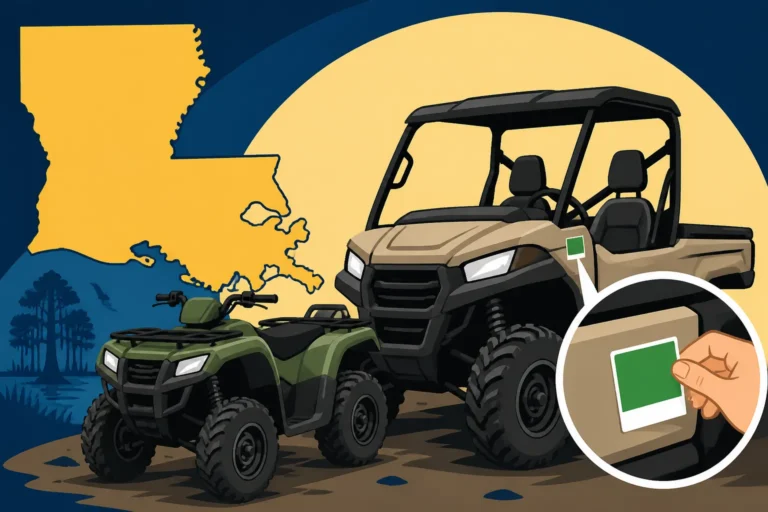
When you think about owning an ATV or UTV, your mind probably jumps to the fun stuff: hitting the trails, exploring hunting camps, or maybe just cruising around your property. But before you can really let loose, there's some essential paperwork that needs to be handled, and the ORV decal is a big piece of that puzzle. It's not just a sticker; it's your official pass to ride legally on designated public lands and, in some cases, even to signify farm exemption.
Why Your Off-Road Machine Needs a Decal
Many riders initially confuse the decal with the title, thinking if they have one, they don't need the other. It's a completely understandable mix-up! The truth is, they serve different, but equally important, purposes. Your machine's title is proof of ownership, like the deed to your house. It establishes who legally owns the ATV or UTV. The decal, however, is more like a registration that grants permission to operate the vehicle under specific conditions on certain lands. It's how the state identifies that your machine is recognized and compliant with off-road vehicle laws. Without it, you're essentially riding an unregistered vehicle in the eyes of the law, which can lead to some pretty unwelcome consequences. The revenue generated from these decals also often goes directly back into maintaining the very trails and riding areas that we all love to use, so it's a critical piece of the off-road infrastructure. For a deeper dive into the distinction, you might want to read [Louisiana ORV Decals and Titles Explained].
Who Needs to Get a Decal in Louisiana?
In Louisiana, most off-road recreational vehicles, including ATVs, UTVs, and dirt bikes, are required to have an ORV decal if they're going to be operated off private property. This applies whether you've just bought a brand-new machine from a dealer, picked up a used quad from a private seller down the road, or even if you're a new resident bringing your trusty machine into the state. There are, of course, a few exceptions that we'll touch on later, primarily for machines used exclusively for agricultural purposes on private land. But for the vast majority of riders who want to enjoy trails or parish roads where allowed, that little sticker is non-negotiable. Even if your machine spends most of its life at a hunting camp, if it ever touches public land or a shoulder of a parish road where permitted, that decal needs to be prominently displayed.
Breaking Down the Cost of a Louisiana ORV Decal
Let's get down to the brass tacks: what's this decal going to set you back? Many riders worry that it's another hefty fee added to the already considerable cost of buying an off-road machine, but the good news is that the core decal fee is actually quite reasonable. The state aims to make off-road recreation accessible, and the cost structure for the decal reflects that. However, like most things involving state agencies, there can be a few other minor charges that add up, depending on how and where you process your application.
The Basic Decal Fee
When you go to get your Louisiana ORV decal, you'll be happy to know that the main fee for the decal itself is designed to be very low. It's not a one-time charge for the life of the machine, but rather an annual fee that typically gets collected for a set period, covering multiple years. So, while you might pay a lump sum every few years, that payment accounts for a very modest charge for each year the decal is valid. This structure means you're not constantly having to remember to pay a small fee every single year, but you're still contributing regularly to the off-road fund. To understand the exact cycle, you can check out [Louisiana Decal Cycles and Their Length]. For a direct reference to the minimal yearly charge, take a look at [Louisiana Charges $3 a Year for a Decal]. This ensures that the cost isn't a barrier to entry for most riders.
Here's a simple breakdown of the decal fee structure:
| Decal Type | Payment Frequency | Typical Cost per Year | Payment Coverage |
|---|---|---|---|
| Standard ORV Decal | Multi-year lump sum | Very Low, nominal fee | Multiple years |
| Replacement Decal | As needed | Minor fee | Remaining cycle |
| Farm-Exempt Decal (if applicable) | As needed | Potentially no direct fee, but administrative costs | N/A |
Other Potential Costs and Fees
While the primary decal fee is low, there are a few other administrative costs that might sneak into your total. When you process your decal application through the Louisiana Office of Motor Vehicles (OMV), there's typically a small handling fee. This isn't unique to ORV decals; it's a standard charge for many transactions processed by the OMV to cover their administrative overhead. For specific details on this, you can refer to [Louisiana Handling Fee of $8]. It's a modest amount, but it's good to be aware of it so there are no surprises at the counter.
Additionally, if your decal gets lost, stolen, or damaged, you'll need to obtain a replacement. There's usually a small fee associated with getting a new decal issued to cover the printing and processing. This is a common scenario, especially for machines that get used hard in the elements, and it's much better to get a replacement than to risk riding without one. Learn more about this process and its associated costs by looking up [Louisiana Decal Replacement If Lost]. Remember, these aren't hidden fees, but rather standard administrative charges that keep the system running smoothly. It's always a good idea to factor in these minor potential expenses when budgeting for your off-road adventures.
The Renewal Process and Staying Compliant
Getting your first decal is just the beginning; knowing when and how to renew it is crucial for uninterrupted riding. Many people mistakenly think once they have the decal, they're set forever, but like any registration, it has an expiration date. Missing this can lead to uncomfortable encounters with law enforcement, and frankly, nobody wants that when they're out trying to relax. Staying on top of your renewal cycle is easy once you know the ropes, and it can save you a lot of headaches, and potential money, in the long run.
When and How to Renew Your Decal
Louisiana's ORV decals operate on a specific cycle, meaning they're valid for a certain number of years before they need to be renewed. You'll typically pay for this multi-year period all at once. The OMV usually sends out reminders as your decal approaches its expiration date, but it's always a good practice to note it yourself, perhaps by adding a reminder to your calendar or phone. The renewal process is fairly straightforward. You can usually renew your decal in person at an OMV office, which is great if you prefer direct assistance or have other OMV business to conduct. Many riders also find it convenient to renew online or by mail, which are often options provided by the OMV. Always ensure your contact information is up to date with the OMV so you receive any notifications. Understanding the specific timeframe for renewals is covered in [When a Louisiana ORV Decal Comes Up for Renewal].
Avoiding Penalties for No Decal
Riding without a current and properly displayed ORV decal can quickly turn a fun day into a costly one. Law enforcement officers, whether state troopers or local parish deputies, are authorized to check for these decals, especially in areas known for off-road recreation. If you're caught without one, you could face fines and penalties. These aren't just minor inconveniences; they can significantly outweigh the cost of the decal itself. Imagine planning a great weekend trip, only to have it cut short and your wallet lightened because of an expired decal you forgot about. It's a frustrating situation that's entirely avoidable. To understand the full scope of what you could be facing, it's worth reviewing [Louisiana Penalties for No Decal]. The small cost of the decal is truly a small price to pay for peace of mind and legal access to Louisiana's beautiful riding areas.
Special Considerations for Decal Costs
While the standard ORV decal is pretty straightforward, there are a few situations that can bring up different questions about decals and their associated costs. Whether you're dealing with a machine that stays strictly on the farm, or you're simply passing through Louisiana from another state, the rules can vary slightly. Knowing these nuances can save you time, confusion, and even unexpected fees.
Decals for Farm-Exempt Machines
Louisiana recognizes that many ATVs and UTVs are primarily used as workhorses on farms, ranches, or other agricultural properties. For machines used exclusively for bona fide agricultural purposes and operated only on private land, there might be an exemption from the standard ORV decal requirement. However, this doesn't always mean no decal at all. Sometimes, a special "farm-only" decal or registration is still required, though it might not carry the same cost as a recreational decal, or it could simply be a way to officially declare its purpose. The key here is "exclusively." If that farm machine occasionally takes a spin down a public road shoulder to get to another field, it might suddenly fall under different rules. For clarity on whether your farm machine truly needs a decal, check out [Does a Farm-Only Quad Need a Louisiana ORV Decal?]. To formalize this farm exemption, you often need to swear an affidavit. Resources like [Louisiana Agricultural Affidavits for an ATV] can guide you through the process, and online legal form providers like LawDepot can be a helpful starting point if you need to draft or understand affidavit requirements for such exemptions. LawDepot provides a range of templates that can make preparing these legal documents much simpler, helping ensure you meet all the OMV's criteria for your farm machine. They offer user-friendly forms, often customizable, which can be invaluable when navigating specific legal paperwork like those required for agricultural exemptions.
Decals for Out-of-State Visitors and New Residents
If you're just visiting Louisiana with your off-road machine from another state, you might be wondering if you need to buy a Louisiana ORV decal. Generally, if your machine is properly registered and decaled in your home state, Louisiana usually extends reciprocity, meaning you won't need a separate Louisiana decal for temporary visits. However, this is always subject to change and specific state agreements, so it's wise to double-check. The rules for visitors can differ from those for permanent residents. For detailed information, consult [Louisiana Rules for an Out-of-State Machine].
On the other hand, if you're making Louisiana your new home and bringing your ATV or UTV with you, the situation changes. As a new resident, you'll eventually need to get your machine titled and decaled in Louisiana. This process is similar to what a long-time resident would go through, though there might be specific steps for transferring out-of-state paperwork. It’s part of establishing your residency and bringing all your vehicles into compliance with Louisiana's regulations. The cost would then align with the standard Louisiana ORV decal fees. To get a head start on understanding this process, be sure to look up [Louisiana Title for a New Resident]. When gathering the necessary paperwork, remember that LawDepot can be a useful platform for finding generic templates for bills of sale or other supporting documents that might be required during your OMV visit, especially if your original purchase paperwork is incomplete. Having all your documents in order, possibly with the aid of tools like LawDepot, can make your transition to Louisiana residency much smoother when it comes to your off-road machine.
Disclaimer
This article is for general informational purposes only and does not constitute professional advice. Laws, prices and regulations vary by location and change over time. Consult a qualified professional for guidance on your specific situation.