Riders 60 and Older on Physically Challenged Trails
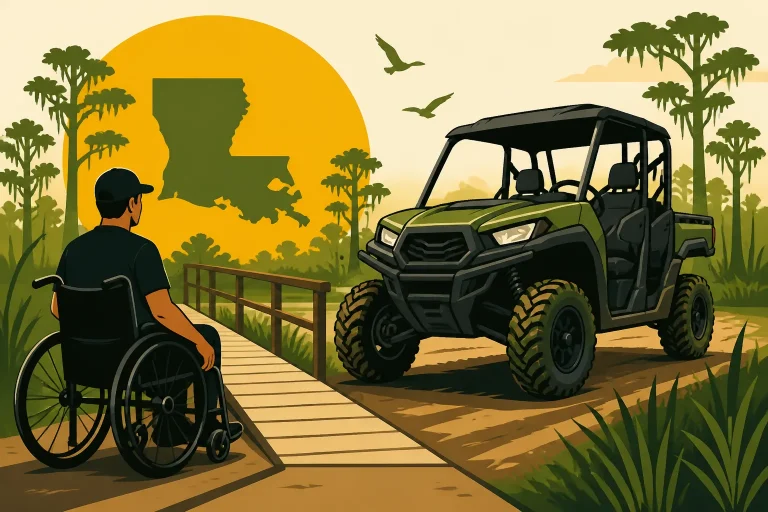
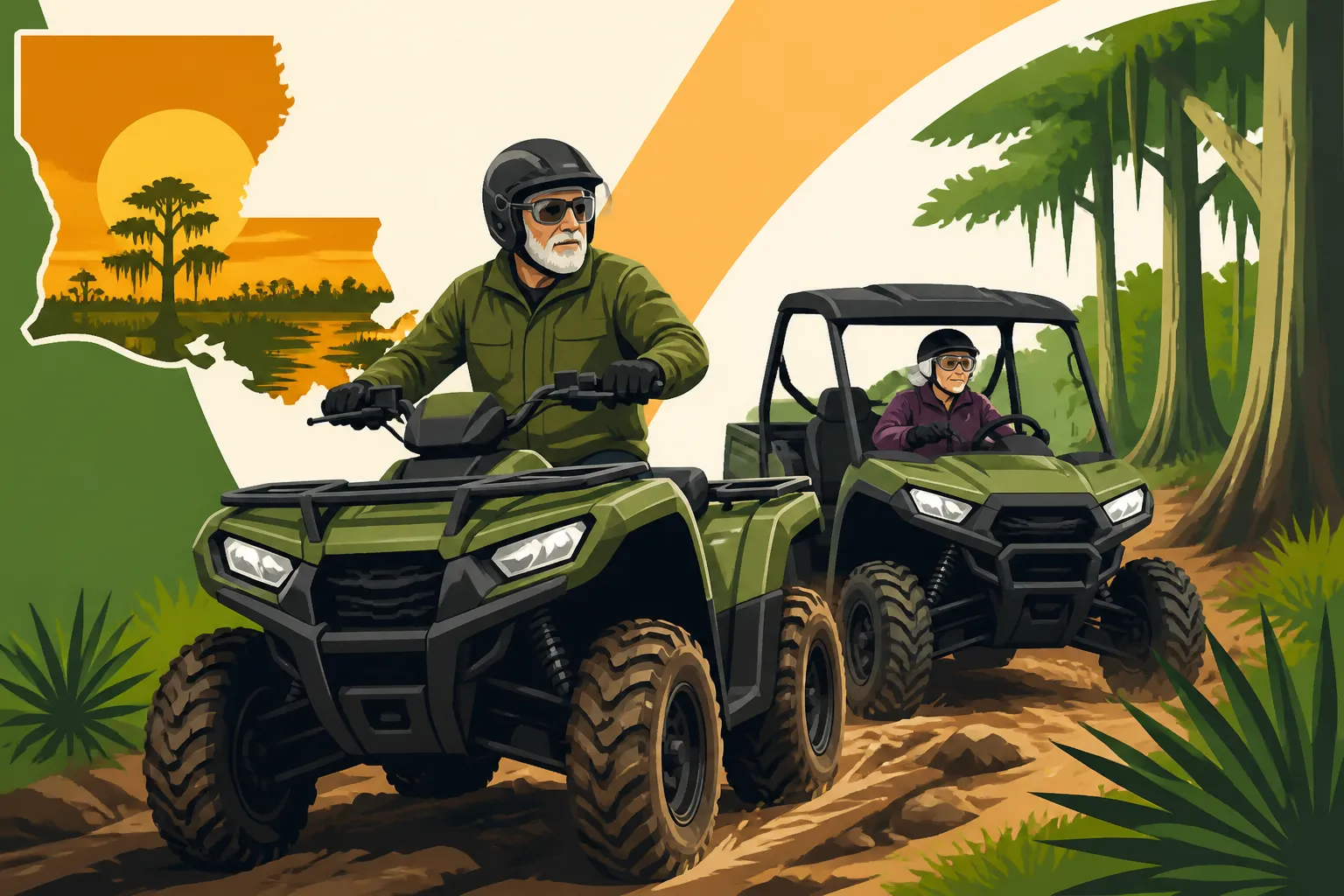
Louisiana riders who are 60 or older may have access to certain trails designated for physically challenged users, but that does not make every WMA trail open or remove other riding rules. The key is confirming the route and its current conditions before unloading. Here’s how to understand the age-based access, check the requirements that still apply, and plan a ride without relying on assumptions.
What the age-based trail access means
Louisiana’s WMA riding rules include an age-based provision for riders 60 and older on designated physically challenged trails. The practical point is that access to these particular routes is not necessarily limited to riders with a disability. If you meet the age requirement, a trail marked for physically challenged use may be an option even if you do not have a disability.
That permission is specific to the designated trail. It should not be read as general permission to ride anywhere on a wildlife management area, use an unmarked route, or ignore a seasonal closure. An access provision for one type of trail does not turn an entire WMA into an open riding area.
A useful distinction is:
- Who may use the designated trail: riders who qualify under the applicable age-based or disability access rule.
- Where they may ride: only routes authorized for that use at that location.
- What else still applies: current access permits, machine requirements, riding seasons, operating hours, and site rules.
The trail’s designation matters. A route may be marked on a current map or identified in the WMA’s specific regulations. A worn path, old sign, or route another visitor describes as accessible is not enough to establish that motorized use is allowed there. Before you head out, check the specific area’s current information and ask the managing office if the trail’s status or eligibility is unclear.
This access is also different from a general accessibility guarantee. A trail’s name or designation does not, by itself, tell you whether the surface is firm, how steep it is, whether barriers are present, or whether it is suitable for a particular rider or machine. Get details about the actual route if those conditions affect your decision.
If you are unsure whether the site is a WMA or another type of public land, confirm that first. Rules for WMAs are not automatically the same as rules for Kisatchie National Forest trails, a private riding park, or land managed by another agency. For an overview of public WMA riding requirements, see Louisiana WMA Riding Rules for Quads and Louisiana Physically Challenged Trail Access.
Check the trail, permits, and riding conditions before leaving
The most reliable plan starts with the individual WMA, not a general statement about Louisiana trails. Trail access can vary by area and season, and conditions may change because of weather, maintenance, hunting activity, or a temporary closure.
Confirm the particular trail is open to your machine
Look for current information that identifies the route as a motorized trail and confirms that it is open on your planned riding day. Verify that the designation applies to the machine you intend to bring. A trail available to some off-road vehicles may have limits on vehicle type, size, weight, or tires.
Do not assume that a physically challenged trail is open year-round. WMA motorized use can be subject to seasonal limits, and closures may apply even when a route appears usable. Before towing, check the current WMA map and notices, then confirm details with the managing agency if the map or rules leave room for doubt. The broader seasonal restrictions are covered in Louisiana WMA Season Closures.
Keep access permits separate from trail eligibility
Being 60 or older may address eligibility for a designated trail, but it does not automatically satisfy every other entry requirement. WMA access permits and self-clearing permits serve different purposes, and requirements can depend on the area, the activity, and the rider. Check what applies to your visit rather than assuming age replaces a permit or form.
If a self-clearing permit is required, complete it as directed at the site and keep the portion you are instructed to retain. The steps are explained in Louisiana Self-Clearing Permit Steps. For a general breakdown of entry requirements, see Louisiana WMA Permit Requirements.
A forest trail or private park may have a different permit process altogether. Do not use instructions for a WMA as a substitute for checking the rules of another riding area.
Check machine limits and operating rules
Eligibility for a trail does not exempt your ATV or UTV from equipment limits. Louisiana WMA rules may restrict vehicle weight, tire dimensions, lug height, tire pressure, or the types of tires permitted. The limits can be easy to miss if you ride mostly at private parks, where different equipment may be allowed.
| Before the ride | What to verify |
|---|---|
| Trail status | Is this specific route open to motorized use on your planned day? |
| Eligibility | Does the age-based access apply to this trail and rider? |
| Permits | Does the WMA require an access permit, self-clearing permit, or both? |
| Machine type | Are ATVs, UTVs, or both allowed on the route? |
| Equipment | Do weight, tire, and other machine limits apply? |
| Conditions | Are weather, hunting, maintenance, or temporary closures affecting access? |
| Hours | What are the site’s current operating hours and riding window? |
For equipment details, consult Louisiana WMA Tire Rules Explained and Louisiana WMA Weight Limits Explained. If your machine is close to a stated limit, check its specifications and measure it rather than estimating from appearance. A measurement that is acceptable at a private park may not meet a WMA rule.
Plan for a safe, manageable ride
A trail designation answers a question about access; it does not tell you whether the route will be comfortable or safe for a particular rider. Use the current map and available trail information to judge the route’s length, surface, slope, and likely obstacles. If those details are not published, ask the area manager before relying on the route for a particular trip.
Riders often make better plans by starting with a short outing and leaving room to turn back. That is especially sensible when the route is unfamiliar, the surface has recently been wet, or a rider is returning to off-road riding after time away. Check the forecast and consider how rain may affect traction, visibility, and stopping distance.
Before the ride:
- Confirm the route and rules. Save or print the current map and keep the area’s contact information accessible.
- Check the machine. Inspect tires, brakes, steering, lights, fuel, and any safety equipment required for the machine.
- Carry the required paperwork. Keep permits and other required documents where they can be found quickly. Title and decal paperwork is separate from trail eligibility; see Louisiana Decal and Title Together.
- Agree on a turnaround point. Decide when to stop or return if the route is rougher, longer, or more tiring than expected.
- Tell someone your plan. Share the riding area and expected return time, particularly if cell service may be limited.
A compact tire-pressure gauge can be useful for checking pressure before riding. If shopping online, including through Amazon, compare the gauge’s range and readability with your machine’s requirements; don’t assume a generic gauge is accurate enough for a limit that matters.
On the trail, ride at a speed that leaves room to respond to uneven ground, other visitors, and changing conditions. Keep to the authorized route and do not go around a closed sign or barrier. If a trail becomes difficult, turning around is a sound decision—not a failure to complete the ride.
If you ride with family or a group, make sure everyone understands that the age-based access applies to the qualifying rider and the designated route. It is not a blanket pass for every companion or machine to use any nearby track. Keep the group together, avoid blocking the route, and check whether the WMA has additional rules for passengers or UTVs.
Common misunderstandings to avoid
“I’m over 60, so I can ride anywhere on the WMA”
No. The age provision relates to designated physically challenged trails. It does not authorize riding on unmarked routes, closed trails, or areas where motorized use is prohibited. Follow the WMA map and the rules for the particular site.
“The trail designation means no other permit is needed”
Do not assume that. Trail eligibility and entry paperwork are separate questions. Check current permit requirements for the WMA and complete any required forms before riding. Keep proof with you if the rules call for it.
“The trail is open, so any ATV or UTV can use it”
Not necessarily. Machine type and equipment limits may apply even when a trail is open. Check the current restrictions for vehicle weight, tires, and other specifications before hauling your machine.
“A trail I used before is still open”
A past trip does not confirm current access. Seasonal rules, land-management decisions, maintenance, weather, or temporary closures may change what is available. Check again before each visit, especially after heavy rain or during a season when access is restricted.
“The age rule makes the route automatically suitable for me”
The rule addresses who may use a designated trail, not the trail’s physical difficulty or condition. If you need a firm surface, a particular width, gentle grades, or another feature, verify that information directly. If the route’s condition is uncertain, choose a different option or postpone the trip.
When information conflicts, rely on the current official rules and the managing agency’s answer for that specific WMA. Save a copy of the map or permit instructions you used, but be prepared to follow posted closures and on-site directions if conditions change after you arrive.
Disclaimer
This article is for general informational purposes only and does not constitute professional advice. Laws, prices and regulations vary by location and change over time. Consult a qualified professional for guidance on your specific situation.