Louisiana Notarized Bills of Sale
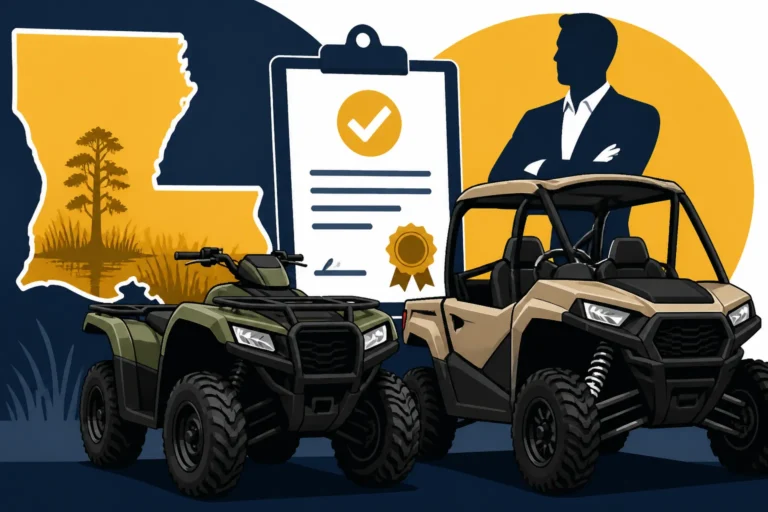
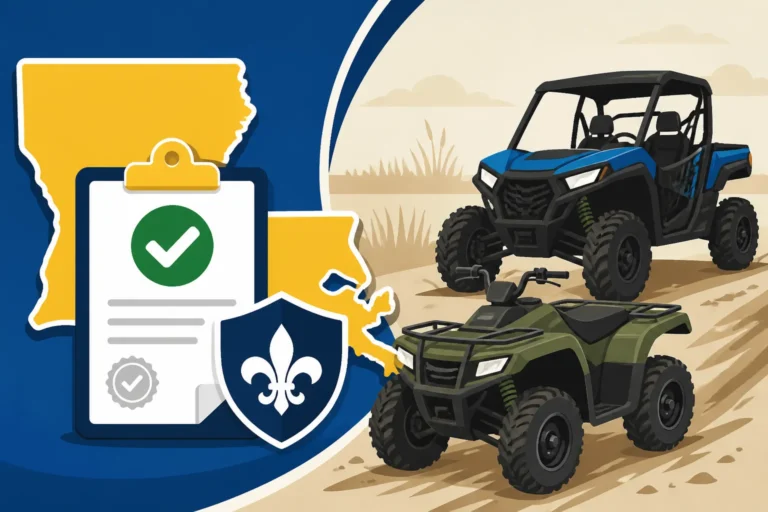
Buying or selling an ATV or UTV in Louisiana can feel like navigating a swamp sometimes, especially when you hit the bureaucratic tangles of paperwork. One of the biggest tripping points, and a source of real frustration for many, is understanding the crucial role of a notarized bill of sale. This guide is here to untangle those knots, explaining precisely why this document isn't just a formality, but a vital piece of your transaction that protects everyone involved and smooths your path at the Office of Motor Vehicles (OMV).
Why a Notarized Bill of Sale Matters in Louisiana
When you're dealing with the sale or purchase of an off-road machine in Louisiana, a simple handshake and a basic written agreement might feel sufficient, especially if you know the person. But the reality is that the state, through its OMV, requires a more formal approach, particularly when it comes to proving ownership and transferring titles. A notarized bill of sale elevates your private agreement from a casual note into a legally recognized document, which is absolutely critical for several reasons. It's the difference between a smooth trip to the OMV and potentially being sent home to get your paperwork in order, which nobody wants after waiting in line.
Protecting Both Buyer and Seller
Think of a notarized bill of sale as a shield for both parties in an ATV or UTV transaction. For the buyer, it provides undeniable proof that the machine was legally purchased, on what date, and for what amount. This is your primary defense against any future claims of ownership dispute, or if the seller later tries to deny the sale ever happened. Imagine buying a used quad, and a few weeks later, the original owner claims you never paid or that you stole it. Without a notarized document, your word is often all you have. With one, you have concrete proof of the transaction, authenticated by a neutral third party.
On the flip side, the seller is equally protected. Once the bill of sale is notarized, it formally documents the transfer of ownership, removing liability from them for any incidents that occur after the sale. This is incredibly important. If the buyer gets into an accident immediately after leaving your property, having a notarized bill of sale clearly stating the transfer date and time can save you a mountain of headaches and potential legal battles. It also confirms the final sale price, preventing any disputes about money exchanged. It's a clear line drawn in the sand, ensuring that once the keys and the document are handed over, the responsibility shifts definitively.
OMV Requirements for Titling
Here's where the rubber meets the road: the Louisiana Office of Motor Vehicles (OMV) has specific requirements for titling an ATV or UTV, especially when it's a used machine changing hands. If you're buying a used ATV, the OMV generally requires an assigned title from the previous owner, along with a bill of sale. While not every bill of sale must be notarized for every single transaction type, it is overwhelmingly recommended for private party sales of used machines because it adds a layer of authenticity that the OMV often prefers and, in many cases, requires to validate the signatures and intent of the parties involved.
The OMV's goal is to prevent fraud and ensure that vehicles are properly transferred. A notarized signature gives them confidence that the people signing the document are indeed who they claim to be, and that they willingly entered into the agreement. Without that notary's seal, the OMV clerk might question the validity of the signatures, potentially leading to delays, demands for additional documentation, or even outright refusal to process the title transfer until proper authentication is provided. This can be especially frustrating if the seller has moved away or is no longer easily reachable. Don't let your title application get bogged down because of a missing stamp! This is also linked to why [Louisiana Requires Proof of Sales Tax First] – the OMV wants to see valid proof of the transaction value before issuing a title.
What Information Your Bill of Sale Needs
A bill of sale isn't just any piece of paper; it's a legal document that needs to be precise and comprehensive. Skimping on details here can lead to confusion down the line or even render the document less effective for its intended purpose. You want to leave no room for ambiguity about what was sold, to whom, for how much, and when. Thinking of it as a blueprint for the transaction can help you ensure all critical components are included.
Key Details for the Machine Itself
First and foremost, the bill of sale must clearly identify the ATV or UTV being bought or sold. This goes beyond just saying "a red quad." You need to provide specific, verifiable identifiers that precisely distinguish this machine from any other. The most critical piece of information here is the Vehicle Identification Number (VIN). This unique serial number, usually found on the frame of the machine, is its legal fingerprint. Make sure it's written out accurately, letter for letter, number for number, on the bill of sale. Don't rely on memory or a hasty scribble; double-check it against the actual VIN on the machine.
Beyond the VIN, you should include the make (e.g., Honda, Polaris), the specific model (e.g., Foreman, RZR), and the year of manufacture. Listing any specific features or accessories included in the sale, such as a winch, plow, or upgraded tires, can also be helpful to prevent disputes about what was or wasn't part of the deal. The more descriptive you are about the machine, the clearer the transaction becomes. This level of detail protects both parties from misunderstandings about the exact item being transferred.
Buyer and Seller Identification
Just as important as identifying the machine is identifying the people involved in the transaction. The bill of sale needs to clearly state the full legal names of both the buyer and the seller. This means the name as it appears on their government-issued identification, like a driver's license. Including their current physical addresses is also crucial for legal documentation and for the OMV's records. You should also include a contact number and email address for each party, though these are more for convenience than strict legal necessity on the document itself.
When you go to get the document notarized, the notary will verify these identities using official photo identification, so ensuring the names on the bill of sale match the IDs is paramount. If multiple individuals are buying or selling the machine, all parties must be listed and typically need to sign the document. For instance, if a quad is being sold by two co-owners, both their names and signatures are required. For a machine with [Louisiana Title With Two Owners], all owners would need to participate in the sale process. This clarity on who is involved ensures that the transfer of ownership is legally sound and leaves no room for questions about who signed what.
Purchase Price and Payment Terms
The financial aspect of the transaction needs to be explicitly detailed. The bill of sale must clearly state the agreed-upon purchase price of the ATV or UTV. This should be written out in both numerical form (e.g., $5,000.00) and in words (e.g., Five Thousand and 00/100 Dollars) to prevent any misinterpretation. This figure is critical not just for the parties involved, but also for calculating [Louisiana Sales Tax Proof at the Counter] when you go to title the machine. The OMV will expect consistency between your bill of sale and the sales tax you've paid or are about to pay.
Furthermore, it's wise to detail the payment method (e.g., cash, cashier's check, bank transfer) and the date the payment was received. If there are any specific payment terms, such as a deposit paid beforehand or an agreement for partial payments, these should also be outlined. However, for a simple private sale, a clear statement of the full cash price and confirmation of receipt is usually sufficient. This section prevents disputes over the final price and ensures transparency for tax purposes. A well-crafted document using a service like LawDepot can ensure these financial details are captured correctly.
The Notary Public's Role in the Transaction
Many people view a notary as just someone who stamps a paper, but their role is far more significant, especially in legal transactions like vehicle sales. In Louisiana, where documentation is taken seriously, a notary public acts as an impartial witness, adding a layer of authenticity and legal weight to your bill of sale. Their presence turns a private agreement into a verifiable public record.
Verifying Identities and Signatures
The primary function of a notary public in a transaction involving a bill of sale is to verify the identities of the people signing the document. They don't just take your word for it; they require a government-issued photo ID (like a driver's license or state ID card) from each signatory. They will meticulously check that the name on the ID matches the name on the document, and that the person physically present is indeed the individual whose signature they are witnessing. This process is crucial in preventing fraud, identity theft, and later claims that a signature was forged.
Once identities are confirmed, the notary witnesses the actual signing of the document. They ensure that all parties are signing willingly and knowingly, not under duress or misunderstanding. After witnessing the signatures, the notary affixes their official seal and signature, along with the date of notarization. This seal acts as a certification that the identities were verified and the signatures were witnessed by an authorized official. It’s this crucial step that gives your bill of sale the legal authority and trustworthiness that the OMV relies on when processing your [Louisiana Titles ATVs Through the OMV].
Where to Find a Notary
Finding a notary public is typically quite easy, as they are ubiquitous in most communities. Banks and credit unions are excellent places to start; many financial institutions offer free notary services to their customers, and sometimes for a small fee to non-customers. If you're financing your quad through a Shreveport dealer, they might even have one on staff. Local shipping stores, like UPS Stores, often have notaries on site for a fee. Public libraries, law offices, and even some real estate agencies might also have notaries available. A quick online search for "notary public near me" will usually yield plenty of options.
When planning your visit, it's a good idea to call ahead to confirm availability and any fees. Remember to bring your valid photo identification and the unsigned bill of sale. Do not sign the document beforehand, as the notary needs to witness your signature in person. Having all parties present with their IDs, and the completed (but unsigned) bill of sale ready, will ensure a smooth and quick notarization process. This simple step, once you know where to go, is quick and incredibly valuable for securing your ATV or UTV transaction.
Common Pitfalls Without a Notarized Bill of Sale
While it might seem like an extra step, skipping the notarization of your bill of sale for an ATV or UTV in Louisiana can lead to significant headaches and financial risks. Many buyers and sellers, especially in private party transactions, often overlook this detail, only to find themselves in a bind later on. The peace of mind and legal protection that a notarized document offers far outweigh the minor inconvenience of getting it done.
Disputes Over Ownership and Condition
Imagine you buy a used side-by-side from a private seller, pay cash, and get a handwritten bill of sale. A few months later, a relative of the seller claims the machine was actually theirs and demands it back, or alleges the seller didn't have the right to sell it. Without a notarized document, proving clear ownership can become incredibly difficult. The lack of a verified signature can make your bill of sale vulnerable to challenges in court. You might find yourself in a long, costly legal battle trying to prove you are the rightful owner, even if you paid fair market value.
Similarly, disputes can arise over the condition of the machine. While a bill of sale primarily addresses ownership, a notarized document adds weight to any clauses about the machine being sold "as-is" or any disclosed defects. If a buyer later claims you misrepresented the ATV's condition, a notarized bill of sale strengthens your defense that the transaction was transparent and mutually agreed upon. The formal nature of notarization discourages such frivolous claims, knowing that both parties' intent and agreement were officially witnessed. This is why [Why Your Bill of Sale Needs a Notary] is so crucial.
Headaches at the OMV Counter
This is perhaps the most immediate and frustrating consequence of not having a notarized bill of sale when the OMV expects one. You show up, wait in line, present your title and bill of sale, only for the OMV clerk to inform you that your paperwork isn't sufficient to process the title transfer. They might question the signatures, especially if the title itself isn't signed perfectly or if there are any erasures or alterations. Without a notary's stamp, the clerk has less assurance about the authenticity of the transaction. This often means being sent home, having to track down the seller again (who might now be difficult to reach or unwilling to help), and incurring further delays in getting your machine legally titled.
The OMV process is designed to be rigorous to protect against fraud. If your bill of sale looks like a casual agreement, it might raise red flags. You might be asked to provide additional affidavits or even return with a properly notarized document. This can turn a simple trip into a multi-day ordeal, delaying your ability to legally operate your ATV or UTV on permitted roads or even register it for certain events. Understanding [Louisiana Title Questions OMV Hears] can help you anticipate these issues, but proactive notarization is the best defense.
Avoiding Fraud and Scams
Unfortunately, the world of private sales can sometimes attract individuals looking to take advantage of others. A non-notarized bill of sale offers less protection against various forms of fraud. A seller might claim they never received full payment, or a buyer might dispute the sale entirely. Without an impartial witness (the notary) verifying identities and signatures, it's easier for unscrupulous individuals to back out of agreements or make false claims.
For instance, a seller could use a non-notarized bill of sale as a way to potentially reclaim a machine, arguing that the signature isn't theirs or was obtained under false pretenses. For buyers, the risk lies in purchasing a machine from someone who doesn't have the legal right to sell it. A notary helps ensure that the person signing as the seller is indeed the person whose name is on the ID, adding a layer of due diligence. While notarization isn't a silver bullet against all fraud, it significantly reduces the vulnerability of both parties to common scams and disputes, making the transaction much more secure.
Creating a Legally Sound Bill of Sale
Crafting a bill of sale that holds up under scrutiny doesn't have to be intimidating. While you can certainly draft one from scratch, there are many resources available to help ensure all the necessary legal components are included. The goal is to create a document that is clear, comprehensive, and leaves no room for misinterpretation.
Using Templates and Online Services
For most private party ATV and UTV sales, a standard bill of sale template is perfectly adequate, provided it's filled out completely and accurately. You don't necessarily need a lawyer to draft a custom document. Many online legal resource platforms, like LawDepot, offer free or low-cost templates specifically designed for vehicle sales. These templates are typically structured to include all the essential information we discussed earlier: buyer and seller details, machine description (including VIN, make, model, and year), purchase price, and any relevant terms of sale.
Using a template ensures you don't accidentally omit critical information that could cause issues later, especially when dealing with the OMV. When you use a service like LawDepot, you can often customize the template to fit any specific agreements you have with the other party, such as including a clause that the machine is sold "as-is, where-is" without warranty. Just remember to print out the final document, ensure all fields are correctly filled in, and bring it (unsigned) to the notary. Having multiple copies for both buyer and seller is also a good practice. For those wondering about Louisiana Notarized Bills of Sale, these templates are a fantastic starting point.
When to Seek Legal Counsel
While templates and notarization cover the vast majority of private ATV and UTV sales, there are specific situations where consulting a legal professional might be a wise investment. These typically involve more complex transactions or circumstances that fall outside the norm. For example, if the machine has a lien against it that needs to be settled during the sale, or if the sale involves multiple parties with complicated ownership structures, an attorney can help draft a more intricate agreement that fully protects everyone's interests. This also applies if the machine is being sold as part of an estate (such as [Louisiana Titles for an Inherited Machine]) or a business asset, where corporate law might come into play.
Another scenario is if there are existing disputes or known legal issues with the machine itself, such as a salvaged title or an ongoing mechanical problem that significantly impacts its value. An attorney can help draft appropriate disclaimers and indemnification clauses to shield the seller from future liability. While these situations are less common for everyday private ATV sales, recognizing when your transaction crosses into a more complex legal territory is key to avoiding future problems. For standard, clear-cut sales, however, a well-executed, notarized bill of sale template should be all you need.
Here’s a quick checklist to make sure your Louisiana ATV/UTV bill of sale covers all the bases:
| Section | Key Details Required | Importance |
|---|---|---|
| Seller Information | Full legal name, current address, phone number | Establishes legal identity of party transferring ownership |
| Buyer Information | Full legal name, current address, phone number | Establishes legal identity of party receiving ownership |
| Vehicle Information | Make, Model, Year, VIN (Vehicle Identification Number) | Uniquely identifies the specific ATV/UTV being sold |
| Purchase Price | Amount in numerical and written form | Confirms sale value for tax purposes and prevents disputes |
| Date of Sale | Exact date of transaction | Establishes when ownership was transferred, crucial for liability |
| As-Is Clause | Statement clarifying sale is "as-is" (recommended) | Limits seller's liability for post-sale issues |
| Signatures | Buyer(s) and Seller(s) | Expresses agreement to terms; required for legal validity |
| Notary Acknowledgment | Notary's signature, seal, and date (highly recommended) | Authenticates identities and signatures, critical for OMV acceptance |
This table provides a comprehensive overview of what should be included in your bill of sale. Following this checklist ensures you create a document that stands up to scrutiny and helps facilitate a smooth title transfer at the OMV. When considering your overall transaction, remember that [Louisiana Form DPSMV 1799 Explained] is the specific application you'll use for titling your machine, and a proper bill of sale is key to filling that out correctly. Also, be aware that [Louisiana Title Processing Time] can vary, so having all your documents in order from the start is a huge advantage.
When you're ready to sell your machine, a well-prepared notarized bill of sale is your best asset for a smooth transition. For buyers, it’s the cornerstone of your new ownership, paving the way for a trouble-free title. It really is an essential piece of the puzzle, providing clarity and legal standing for your ATV or UTV transaction in the Pelican State.
Disclaimer
This article is for general informational purposes only and does not constitute professional advice. Laws, prices and regulations vary by location and change over time. Consult a qualified professional for guidance on your specific situation.