Buying From a Seller Across the Sabine
Buying an off-road machine from a private seller across the state line, especially from a neighboring state like Texas or Arkansas, can feel like navigating a maze of paperwork and rules. It's easy to get bogged down in the details of titles, sales tax, and registration when you're just excited about your new ATV or UTV. This guide will walk you through the entire process, from verifying the machine's history before you buy it, to understanding Louisiana's specific requirements for bringing an out-of-state purchase home, and finally, getting it legally titled and ready for the trails here in the Pelican State.
Navigating the Initial Purchase with an Out-of-State Seller
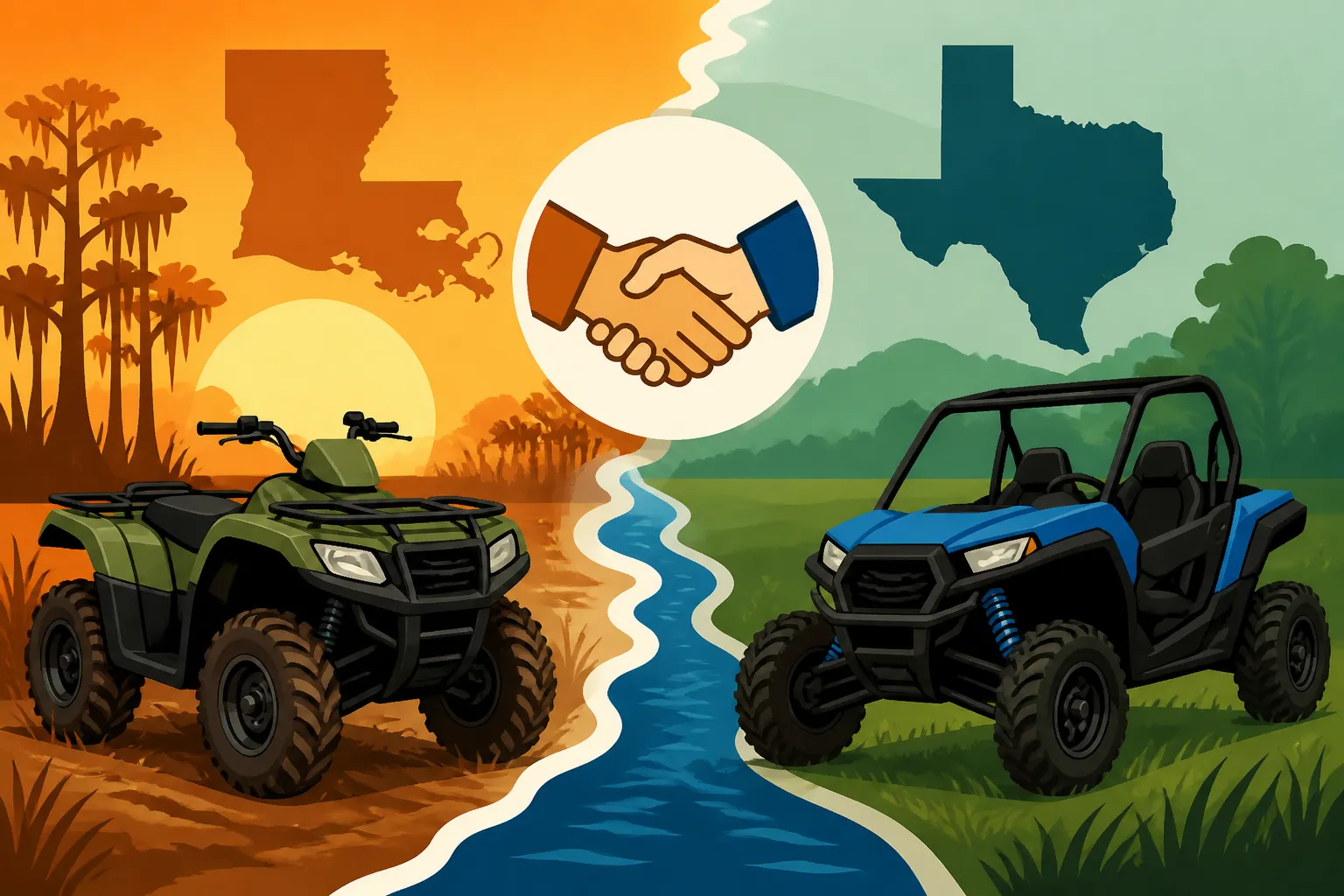
When you're looking at a machine from a seller who isn't a Louisiana resident, perhaps just across the Sabine River in Texas, the first steps are critical. You can’t assume their state’s rules are the same as ours, and what might seem like a minor oversight on their end could become a major headache for you back home. It's all about due diligence and making sure you get all your ducks in a row before you even think about handing over cash.
Verifying Ownership and Machine History
The last thing you want is to bring home a stolen machine or one with a lien attached that the seller conveniently forgot to mention. Before you agree to buy anything, you absolutely need to confirm the seller is the legal owner and that the machine is clear of any undisclosed financial encumbrances. Ask to see their identification and compare the name to the title. If the names don't match, or if they have a flimsy excuse, that's a huge red flag.
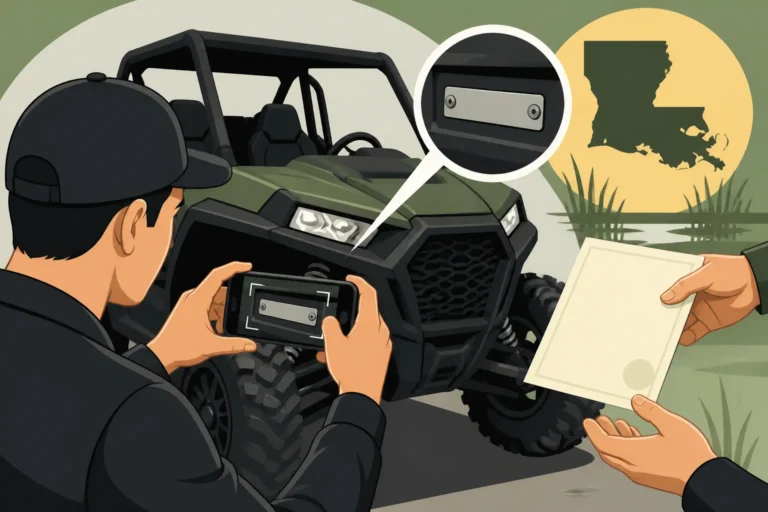
Next, get the Vehicle Identification Number (VIN) from the machine. This isn't just a formality; it's your key to unlocking its history. Use the VIN to run a background check through services that can tell you if it's been reported stolen, was involved in a major accident, or has an outstanding loan against it. Many online services offer this, and it's a small investment that can save you thousands of dollars and immense heartache. While Louisiana doesn't always mandate titles for older ATVs, most neighboring states do, so expect a title. If the seller doesn't have one, ask why. A legitimate reason might exist, but it's rare for newer machines. Always remember, the cleaner the history, the smoother your titling process will be. For more on what to look for, check out [Checking Whether a Used Quad Is Reported Stolen].
Drafting a Robust Bill of Sale
A bill of sale isn't just a receipt; it's a legal document that protects both you and the seller. When buying from out of state, its importance is amplified because you're dealing with different legal jurisdictions. This document should clearly state the buyer's and seller's full names and addresses, the date of sale, the purchase price, and a detailed description of the machine, including its VIN, make, model, and year. It should also explicitly state that the machine is being sold "as-is," but that the seller warrants they have the legal right to sell it and that it is free of all liens and encumbrances.
Make sure the bill of sale includes a section for both parties to sign and date. Better yet, get it notarized. Louisiana's OMV has a strong preference for notarized bills of sale, especially for out-of-state purchases, as it adds an extra layer of authenticity and helps prevent fraud. Services like LawDepot can help you generate a comprehensive and legally sound bill of sale template tailored to your needs, ensuring all critical information is included and properly formatted. This can be a huge relief, especially if you're not used to drafting legal documents yourself. A well-prepared bill of sale is crucial for your subsequent visit to the OMV. For specific requirements, see [Louisiana Notarized Bills of Sale].
Payment and Exchange Logistics
The actual exchange of money and the machine also requires careful planning when buying across state lines. Cash is king for private sales, but carrying a large amount of cash can be risky. Consider using a certified cashier's check or initiating a bank transfer while you are both present at a bank. Avoid personal checks or digital payment apps like Venmo or PayPal for large sums, as these can be reversed or don't offer the same level of protection.
When you meet the seller, choose a safe, public location, perhaps even a local police station parking lot, especially if you're traveling a significant distance. Inspect the machine thoroughly one last time, comparing the VIN on the machine to the title and bill of sale. Once the payment is made and documents are signed, take possession of the machine and all original paperwork, including the signed-over title (if applicable), the bill of sale, and any service records or owner's manuals. Remember, you can't just jump on your new machine and ride it home across the state line on public roads – that's a big no-no in Louisiana and most other states without proper street-legal registration. You'll need a trailer for transport.
Bringing Your Out-of-State Machine into Louisiana
Once you’ve successfully purchased your off-road machine across the Sabine and safely trailered it home, the next hurdle is getting it properly registered and titled in Louisiana. This involves a few specific steps with the Louisiana Office of Motor Vehicles (OMV), and it's where many new owners get stuck if they're not prepared.
Understanding Louisiana Sales and Use Tax
This is often the biggest surprise for buyers bringing a machine in from out of state. Unlike some other states, Louisiana requires you to pay state and local sales tax on your purchase, even if you paid tax in the state you bought it from. This is referred to as "use tax" if you paid sales tax in another state, and the OMV will credit any sales tax you can prove you paid in the other state against Louisiana's tax rate. However, if the other state's sales tax was lower than Louisiana's combined state and local rate (which it often is), you'll owe the difference here. If you paid no sales tax in the other state, you'll owe the full Louisiana state and local sales tax.
The OMV absolutely requires proof that this tax has been paid or addressed before they will issue you a Louisiana title. This means you'll either pay the use tax directly at the OMV counter when you apply for your title, or you'll present a receipt from the other state's tax authority showing what you already paid. Don't skip this step or assume it's handled; [Louisiana Requires Proof of Sales Tax First]. This is a critical component of the overall cost of ownership, and it needs to be factored into your budget. For more details on this often-confusing aspect, refer to [Louisiana Use Tax on a Machine Brought Home].
Titling Your Out-of-State Machine at the OMV
Once the sales or use tax is settled, you can proceed with titling. Louisiana's OMV is the agency responsible for titling ATVs and UTVs. You'll need to fill out a Vehicle Application form (often DPSMV 1799, though forms can change), present your original out-of-state title (if one was issued), and your notarized bill of sale. The OMV will examine these documents to ensure they are complete and legitimate. They'll verify the VIN and may even physically inspect the machine if there are any discrepancies or unusual circumstances.
The process for an out-of-state title transfer is largely similar to an in-state one, but with the added layer of proving ownership and tax payment from another jurisdiction. Be prepared for a small title fee and a handling fee at the OMV. While exact amounts can vary, expect typical government processing fees. It's always a good idea to check the OMV's website or call ahead for the most current fee schedule and required forms. While some titles can be processed quickly, others might take longer, so be prepared for some waiting time. [Louisiana Title Processing Time] can vary depending on the complexity of your situation.
Essential Documents for the Louisiana OMV
To make your OMV visit as smooth as possible and avoid multiple trips, gather all your documents beforehand. Here’s a checklist of what you’ll typically need when bringing an out-of-state machine to Louisiana:
- Original Out-of-State Title: If the machine was titled in the seller's state, you must have the original title, properly signed over to you by the seller.
- Notarized Bill of Sale: This is non-negotiable for proving your purchase and the price paid. As mentioned, LawDepot can help create a professional one.
- Proof of Sales/Use Tax Payment: A receipt showing you paid sales tax in the other state, or be ready to pay the Louisiana use tax at the OMV. [Louisiana Sales Tax Proof at the Counter] is a must.
- Valid Photo ID: Your current Louisiana driver's license or state ID.
- Proof of Louisiana Residency: Utility bill, lease agreement, etc., showing your current Louisiana address.
- Completed Vehicle Application Form: The OMV's official form for titling vehicles.
- Any Lien Release: If the machine had a lien in the previous state, you need a document proving it was satisfied.
Document Checklist for Out-of-State ATV/UTV Purchase
| Document Required | Description | Where to Get It / What to Do | Importance Level |
|---|---|---|---|
| Original Out-of-State Title | Signed over by the seller to you. | From the Seller | Critical |
| Notarized Bill of Sale | Details of sale, purchase price, VIN, buyer/seller info. | Created by You/Seller (e.g., LawDepot), then Notarized | Critical |
| Proof of Sales/Use Tax Payment | Receipt from seller's state, or prepare to pay at OMV. | From Seller's Tax Authority or OMV | Critical |
| Valid Photo ID | Your current Louisiana Driver's License or State ID. | Your Wallet | Critical |
| Proof of Louisiana Residency | Utility bill, bank statement, lease. | Your Home Records | High |
| Completed Vehicle Application | OMV Form DPSMV 1799 or equivalent. | OMV Website or Office | High |
| Lien Release (if applicable) | Documentation confirming any previous liens are satisfied. | From Seller's Lender | Critical (if applicable) |
Having all these documents organized will save you a lot of time and potential frustration at the OMV.
Addressing Common Challenges
Even with careful planning, sometimes you hit a snag. Buying a used machine, especially from a private party out of state, can present unique challenges. Knowing how to deal with them ahead of time can prevent a simple purchase from turning into a nightmare.
Dealing with a Missing Title
What if the seller from across the Sabine doesn't have a title for the machine, perhaps because their state didn't require one for older models, or it was simply lost? This can be a major problem for titling in Louisiana. While Louisiana does title older ATVs, generally you need either a manufacturer's statement of origin (MSO) for a new machine or an assigned title for a used one. If neither is available, the OMV process becomes significantly more complex.
You might need to seek a court order or pursue a bonded title, which involves getting an indemnity bond to protect the state and future owners if the original owner ever comes forward. This is a costly and time-consuming process. Your best bet is to avoid machines without titles unless the price is exceptionally low and you're prepared for the extra legwork, expense, and potential uncertainty. Always prioritize a machine with a clean, transferable title. For cases where a title is truly missing, consult [Louisiana Title Without a Bill of Sale] for a deeper dive into the difficulties.
The Importance of a Notarized Bill of Sale
We've touched on this, but it bears repeating: a notarized bill of sale is your shield. When you're buying from out of state, proving the legitimate transfer of ownership becomes even more critical for the Louisiana OMV. A simple handwritten note might suffice for some in-state private sales, but when you're crossing state lines, the OMV wants to be absolutely sure the transaction is legitimate and that all parties are who they say they are.
A notary public verifies the identities of the signers and witnesses their signatures. This extra step significantly reduces the risk of fraud and provides strong evidence of ownership for the OMV. Many banks, credit unions, and even shipping stores offer notary services for a small fee. Don't let the seller talk you out of it by saying it's unnecessary. Services like LawDepot can not only help you draft a proper bill of sale but also guide you on how to get it notarized correctly, making sure it meets the OMV’s standards. This seemingly small detail can prevent huge delays in your titling process.
When the VIN is Problematic
The Vehicle Identification Number (VIN) is the machine's unique fingerprint. It's on the title, the bill of sale, and physically stamped on the frame. If there's any discrepancy between these, or if the VIN on the machine appears to have been tampered with, you've got a serious problem. The OMV will absolutely scrutinize the VIN. If they find any irregularities, they might refuse to title the machine, suspecting it's stolen or has been illegally altered.
Before you buy, compare the VIN on the physical machine to the title document, and ensure it matches character for character. Also, look for signs of tampering, such as grinding marks, welding, or numbers that don't look original. If you find any issues, walk away from the deal. It's not worth the risk. If, by some chance, you discover a VIN problem after purchase, contact local law enforcement immediately; you might have inadvertently purchased a stolen vehicle. The OMV is very strict on VIN verification because it is the primary way they track ownership and ensure legality.
Getting Ready to Ride in Louisiana
Once your machine is titled and the sales tax paid, you're almost ready to hit Louisiana's diverse trails and riding areas. However, there are a couple more pieces of the puzzle, specifically related to decals and understanding the rules of the road (or lack thereof) for off-road vehicles.
Obtaining Your Louisiana ORV Decal
Beyond titling, Louisiana requires an Off-Road Vehicle (ORV) decal for almost all ATVs and UTVs operated within the state, whether on public or private lands, unless specifically exempted (like for exclusive farm use, and even then, there are nuances). This small sticker is proof that you've paid your annual fee to the state for the privilege of operating your machine.
You can obtain your decal at the OMV when you title your machine, or separately if you already have a title. The decal is typically an annual fee, and it must be prominently displayed on the machine. Failing to have a current decal can result in fines and potentially even impoundment if encountered by law enforcement. It's a simple, inexpensive step that keeps you legal and supports the state's efforts in managing off-road recreation. Make sure to get it done shortly after titling your machine; you typically have a grace period, but why risk it? Don't forget, [You Have 30 Days to Affix the Decal] once issued. For more information on what this decal covers and how it works, see [Louisiana ORV Decals and Titles Explained].
Understanding Road Rules and Exceptions
This is a big one, and it causes a lot of confusion for riders, especially those new to Louisiana or coming from states with different rules. Generally, ATVs are not street-legal in Louisiana. You cannot ride them on public roads, streets, or highways. There are very limited exceptions, primarily for agricultural purposes, and even those come with strict conditions like daylight hours, speed limits, carrying an affidavit, and often a 5-mile radius restriction from your farm. UTVs have slightly different rules, with some parishes and municipalities allowing them on designated roads if certain criteria are met (like insurance, proper lighting, and driver age).
Never assume you can ride your ATV or UTV on a public road in Louisiana. Always check local parish and municipal ordinances, as well as state statutes. If you're caught riding illegally, the penalties can include significant fines, court costs, and even impoundment of your machine. It's just not worth the risk. Always trailer your machine to and from designated riding areas like Kisatchie National Forest trails or private mud parks. Understanding these rules is critical to being a responsible rider in Louisiana. For a full breakdown, check out [Can You Ride an ATV on the Road in Louisiana?].
Insurance Considerations
While Louisiana does not generally require insurance for ATVs and UTVs used exclusively off-road on private property, it's a smart idea to have it. Accidents happen, and medical bills or property damage can quickly add up. If you plan to ride your UTV on any public roads (even if designated by a parish), then insurance will be required, similar to a regular vehicle.
Consider getting a comprehensive policy that covers theft, damage to your machine, and liability for injuries or damage you might cause to others or their property. If you financed your machine, your lender will almost certainly require full coverage insurance. Talk to your insurance agent about specific off-road vehicle policies. Some homeowners' policies might offer limited coverage, but usually not enough for significant incidents. Better safe than sorry when it comes to protecting your investment and your finances.
Disclaimer
This article is for general informational purposes only and does not constitute professional advice. Laws, prices and regulations vary by location and change over time. Consult a qualified professional for guidance on your specific situation.