Vernon Enduro’s 30 Miles in Louisiana
Vernon Enduro offers a taste of Louisiana riding in the piney woods near Leesville, but a “30-mile trail” can mean a very different day depending on your machine, the route, and recent weather. This guide covers how to plan a visit, what to verify before unloading, and how to ride the area thoughtfully without assuming every trail suits every ATV or UTV.
What to Know About Vernon Enduro
Where the trail is and what “30 miles” means
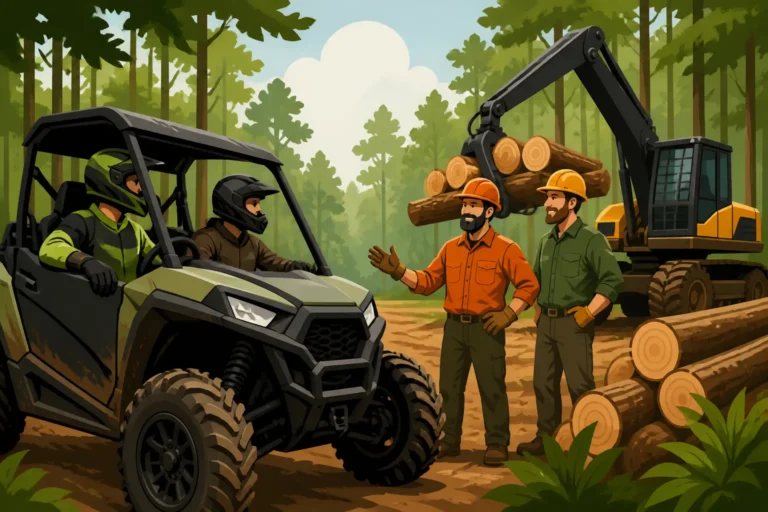
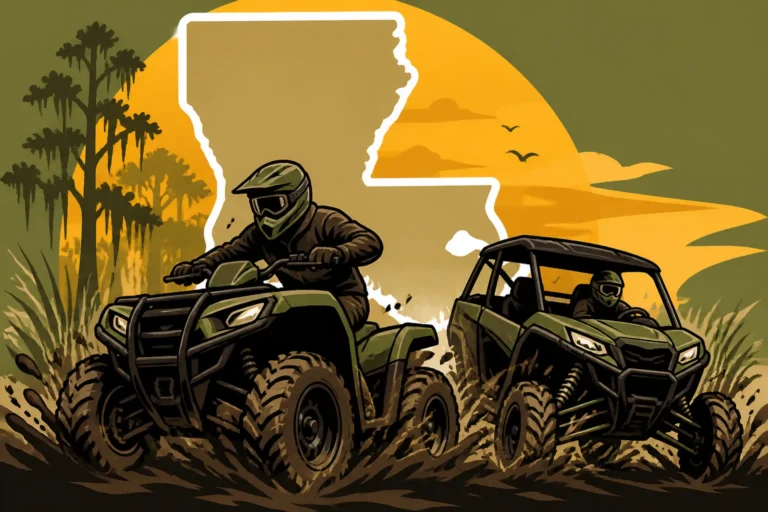
Vernon Enduro is associated with the Kisatchie National Forest area in Vernon Parish, near Leesville. Its roughly 30 miles of trail make it a notable option for riders looking for a longer outing in Louisiana’s pine country. Expect a forest setting rather than a developed motorsports venue: conditions and the riding experience can change with weather, maintenance, and the route you choose.
Treat the mileage as a trail-system figure, not a promise of one continuous loop or a particular ride duration. Your actual distance depends on which sections are open and appropriate for your machine, how you navigate the trail, and whether you turn back or repeat a section. A map can help you estimate a route, but don’t rely on a mileage figure alone to judge whether you have time, fuel, or daylight for the day.
Check machine eligibility before you tow
The name “Enduro” is not a substitute for checking vehicle rules. Trail systems can distinguish among motorcycles, ATVs, and side-by-sides, and restrictions may apply to trail width, machine size, or specific routes. Before leaving home, confirm that your vehicle type is allowed on the trail you plan to ride. If you’re bringing a side-by-side, don’t assume that a trail open to motorcycles or quads will accommodate it.
Also verify the current access and operating information through the land manager or the relevant trail-status page. Forest routes can close temporarily for maintenance, weather, or other management needs. For broader context on how to check before setting off, see [Checking a Trail Status Page First]. If you’re comparing destinations for a particular machine, [Louisiana Trails That Allow Side-by-Sides] and [Louisiana Trails That Allow Dirt Bikes] can help you organize your questions before choosing a route.
Plan a Ride That Fits Your Group
Match the route to your experience
A 30-mile trail system can be tempting to tackle all at once, especially if your group has driven a long way to get there. But mileage does not tell you how technical a route feels, how quickly your group will travel, or how much energy the ride will take. A new rider may need frequent stops to get comfortable with turns, uneven ground, and changing trail surfaces. An experienced rider may still need to slow down when visibility is limited or the ground is soft.
Before you start, agree on a manageable first section and a clear turnaround plan. If riders in your group have different experience levels, let the least experienced person help set the pace. Stop somewhere safe to regroup rather than stretching the group out until the last rider feels pressured to catch up. The overview in [Louisiana Trail Difficulty Ratings] is useful when you’re thinking about how to compare trail descriptions with the abilities in your group.
Choose navigation tools without relying on one source
Bring a current map, and know how to orient yourself before you leave the trailhead. A phone-based map can be convenient for checking your position and planning, and onX Offroad may help you review route information before a ride. Save or download what you need ahead of time rather than counting on a strong cell signal in a forested area. A paper map is a sensible backup when your phone battery runs low or reception disappears.
Use mapping tools as planning aids, not permission to ride wherever a line appears. Confirm that a route is open and legal for your machine, and follow signs and barriers on the ground. If your map and posted directions disagree, pause and check with the land manager instead of guessing. For another practical backup approach, see [Carrying a Paper Map in the Forest].
Prepare for Louisiana Trail Conditions
Expect weather to change the ride
Rain can make a forest trail feel completely different from the same route on a dry day. Soft ground, standing water, slick roots, and muddy turns can slow a group and make recovery harder. A low-looking puddle may conceal a deeper rut, and a shortcut around a wet patch can widen trail damage or take you somewhere you are not allowed to ride. If the forecast has been wet, check trail conditions before towing and be prepared to postpone.
Heat matters too, particularly when you’re riding at a relaxed pace with frequent stops or wearing protective gear. Start hydrated, bring more water than you expect to need, and take breaks before anyone feels worn down. A hot, humid afternoon can turn a short mechanical delay into a difficult wait. For more on timing a ride after wet weather, see [Louisiana Trail Conditions After Rain] and [Louisiana Trail Riding After Heavy Rain].
Pack for a self-sufficient day
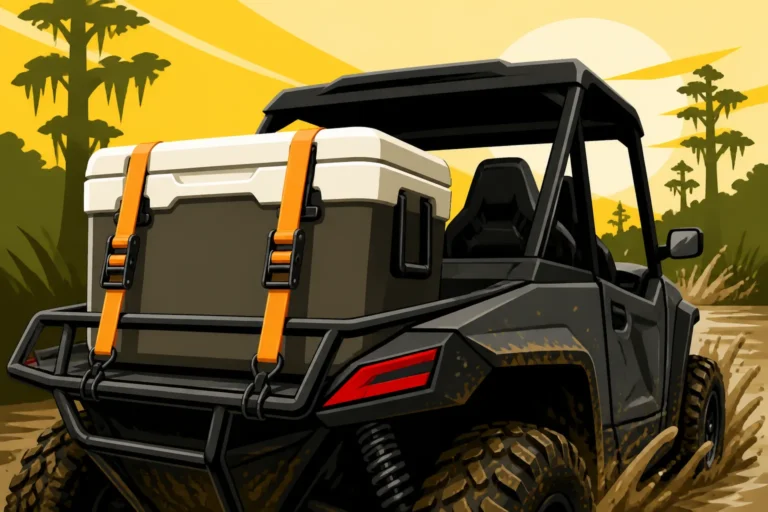
Think through the ordinary problems that can interrupt a ride: a loose strap, a flat tire, a dead phone, a minor scrape, or a machine that needs time to cool down. Pack basic first-aid supplies, water, snacks, a way to communicate, and tools suited to your machine. Bring a small repair kit and any essential spares you know your vehicle may need. Keep those items secured so they don’t shift when you travel over rough ground.
Before leaving, tell someone where you’re going and when you expect to be back. Check fuel range against the route you intend to ride, not just the trail system’s total mileage. If riders are using different machines, compare their range and pace so nobody is forced to turn around alone. A little preparation can prevent an avoidable problem from becoming a long walk out.
| Before you leave | What to confirm | Why it matters |
|---|---|---|
| Trail access | Whether the area is open and where current updates are posted | Closures or restrictions can change your plan |
| Machine type | Whether your ATV, UTV, or motorcycle is permitted on the intended route | Vehicle rules may vary by trail |
| Route plan | Which sections you expect to ride and where you’ll turn back | Mileage alone does not define a safe day |
| Weather | Recent rain, forecast, heat, and storm risk | Surface conditions and comfort can change quickly |
| Supplies | Fuel, water, first aid, tools, and navigation backup | Forest riding can involve delays and limited reception |
| Group plan | Pace, regroup points, and what to do if separated | A shared plan helps everyone ride more confidently |
Ride Responsibly on the Trail
Stay on routes you’re allowed to use
Keep your machine on designated, open routes. Riding around a barrier or cutting a new line through the woods can damage the trail and create problems for other users. If you encounter a closed section, turn around and follow the posted direction rather than trying to find an unmarked way around it. A trail map is helpful, but it does not override signs or closures at the site.
Be considerate when you meet other trail users. Ease off the throttle, leave room, and follow any posted right-of-way guidance. Visibility can be limited by trees, bends, dust, or terrain, so ride at a speed that lets you respond to someone around the next corner. Quiet, predictable riding also makes the area more welcoming for other visitors.
Leave the site in good shape
Carry out what you bring in, including food wrappers, drink containers, and broken straps or parts. Avoid leaving trash at the trailhead or beside the route. If your machine gets muddy, be mindful about where you wash it; follow the site’s instructions and avoid carrying sediment into waterways or onto roads. Respect gates, signs, parking areas, and any designated staging instructions.
A clean ride is also a safer ride. Secure loose gear before setting off, and do a quick walkaround when you stop. Check that your group has all its belongings before leaving the trailhead. Small habits like these reduce the chance of a dropped item becoming litter or a loose object interfering with a machine later.
Build a Realistic Day Around Vernon Enduro
Allow time for the ride, not just the mileage
A route that looks manageable on a map can take longer than expected once you account for stops, changing conditions, and the pace of the group. Give yourself time to unload, check equipment, review the route, and get everyone comfortable before riding. Avoid setting a schedule that depends on covering every available mile. It is better to finish a shorter ride with energy to spare than to rush through the last section as daylight fades.
If you’re visiting from outside Vernon Parish, plan the drive and trailer logistics as carefully as the ride itself. Confirm where you can park and unload, and make sure your towing setup is ready for the return trip. Keep enough daylight for loading and a final equipment check. A calm departure is easier than discovering a loose tie-down or missing piece of gear when everyone is tired.
Make a backup plan
Before you go, choose an alternative if the trail is closed, too wet, or unsuitable for your machine. A backup does not need to be another destination; it can simply be a plan to shorten the ride, turn around early, or spend the day doing something else. Check access information again before you leave, especially if weather has changed since you first made plans. For other destination ideas and planning details, see Louisiana ATV Trails: Where to Ride and Louisiana Trail Closures and Seasons.
If you are riding with friends, agree on the backup plan before anyone is eager to unload. That small conversation can prevent a frustrating debate in a parking area after a long drive. Decide who will check for updates, how the group will communicate if separated, and what conditions mean “we’re calling it.” With a realistic plan, Vernon Enduro’s wooded setting and substantial trail mileage can be part of an enjoyable day without turning the ride into a race against the clock.
Disclaimer
This article is for general informational purposes only and does not constitute professional advice. Laws, prices and regulations vary by location and change over time. Consult a qualified professional for guidance on your specific situation.