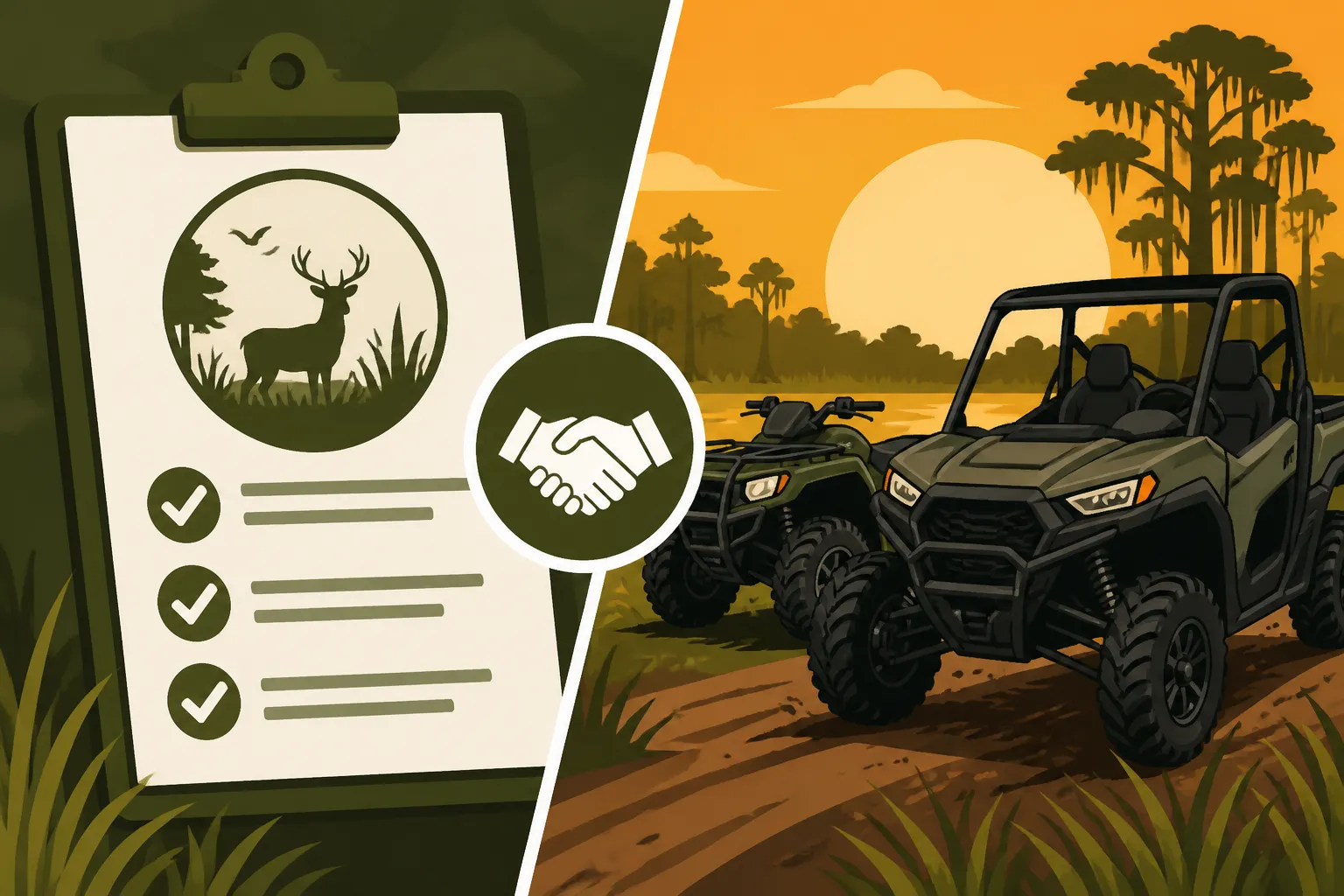
What a Hunting Lease Says About Quad Use
Navigating the world of hunting leases in Louisiana can feel like a maze, especially when you throw your trusty ATV or UTV into the mix. Many of us sign on the dotted line, dreaming of deer season, only to realize later that the vague wording in our lease agreement leaves us scratching our heads about what we can and can't do with our off-road machines. This guide is here to shed some light on those often-confusing clauses, helping you understand precisely what your hunting lease says about quad use so you can enjoy your time in the woods without unexpected headaches or conflicts.
Deciphering Your Louisiana Hunting Lease: What It Says About ATV and UTV Use
Let's be honest, when you're presented with a thick stack of papers for a hunting lease, your eyes tend to glaze over pretty quickly. You're eager to get out there, scout your stand locations, and start making memories. But skipping over the fine print, especially the sections pertaining to vehicle use, can lead to serious misunderstandings down the line. A hunting lease isn't just about paying rent for a patch of land; it's a legally binding contract that outlines your rights and, more importantly, your limitations while on the property.
Landowners and hunting clubs have specific reasons for including clauses about ATVs and UTVs. Often, it's about minimizing environmental impact, preventing property damage, ensuring safety, or even maintaining a certain "feel" for the hunting experience. They might want to protect delicate ecosystems, prevent ruts in agricultural fields, or ensure that late-night joyriding doesn't disturb other hunters or local residents. For these reasons, reading your lease with a keen eye for anything related to "vehicles," "motorized transport," "off-road machines," or even "property access" is absolutely crucial. Don't assume anything; if it's not explicitly permitted, it might be implicitly prohibited, or at least require a conversation. This is where [Getting Written Permission From a Louisiana Landowner] becomes invaluable if your lease is vague.
Sometimes, the lease might be a generic document, not specifically tailored to the unique terrain or local customs of your hunting grounds. Other times, it might be incredibly detailed, spelling out every conceivable rule. Regardless, your responsibility as a lessee is to understand and adhere to these rules. If something isn't clear, never hesitate to ask for clarification before you put tires on dirt. Getting an answer in writing can save a lot of grief later on. Remember, you're a guest on someone else's land, and respecting their rules is paramount to maintaining a good relationship and securing future leasing opportunities.
Common Restrictions You'll Find Regarding Off-Road Machines on Leased Land
Most hunting leases will have some form of restriction on how and when you can use your ATV or UTV. These aren't just arbitrary rules; they're usually designed to protect the land, the wildlife, and the safety of everyone involved. Let's break down some of the most common ones you're likely to encounter.
Designated Trails and Roads Only
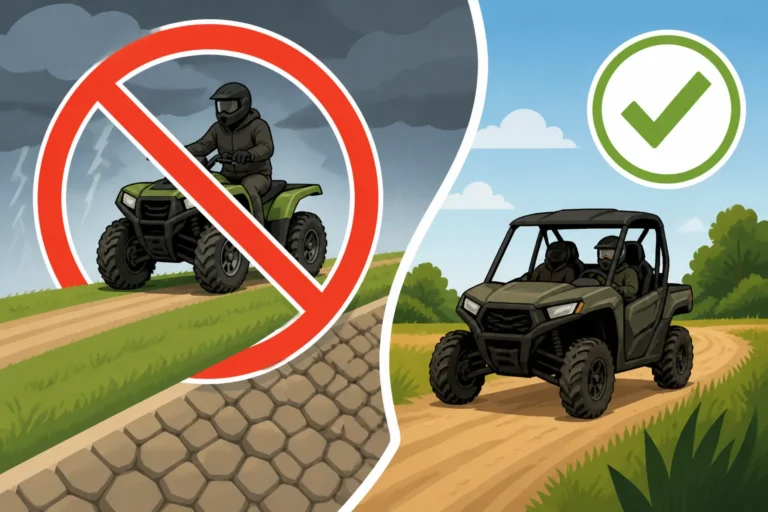
This is perhaps the most prevalent rule you'll see. Many leases will explicitly state that off-road vehicles are only permitted on pre-existing roads, trails, or fire lanes. This is to prevent new ruts and erosion, protect young timber, and keep hunters from disturbing areas unnecessarily. Imagine a property where every hunter decides to blaze their own trail to their stand; within a season, the land would be a mess of crisscrossing tracks, damaging habitat and making it harder for wildlife to move naturally.
If your lease specifies "designated trails only," respect that. Don't think that just because a path looks clear, it's okay to ride. Stick to the obvious, well-maintained routes. If you need to access a new area, always ask the landowner or lease manager for guidance first. They might show you an approved route or explain why certain areas are off-limits. Deviating from these paths, even slightly, could be seen as a breach of your agreement and potentially lead to charges under [Louisiana Trespass Law for Riders] if severe enough.
Time of Day and Season Restrictions
It's common for leases to restrict ATV/UTV use to specific times of day, especially during hunting season. For example, you might only be allowed to ride an hour before sunrise and an hour after sunset. This is primarily to minimize disturbance to game animals during prime hunting hours. The sound of an engine roaring through the woods at midday can push deer and other wildlife deeper into cover, disrupting everyone's hunt.
Some leases might even ban ATV/UTV use entirely during certain periods, such as the peak of deer rut or specific weeks of duck season, to ensure maximum tranquility. Always check the lease language for these temporal limitations. Riding outside the permitted hours, even just for a quick trip, can upset other hunters and might lead to friction within the club or with the landowner. [Louisiana Rules for Riding After Dark] often involve specific lighting requirements, which might be implied even on private land if you're riding in low light outside of restricted hours.
Restrictions on Game Retrieval and Scouting
While many hunters use ATVs or UTVs specifically for game retrieval, some leases place strict limits on this. You might be required to retrieve game manually, or only be allowed to use a quad for retrieval after a certain time of day (e.g., after 10 AM) to avoid disrupting morning hunts. This is another measure to maintain the integrity of the hunting experience and minimize disturbance.
Similarly, some leases might restrict using your machine for general scouting, especially during the off-season. They might want you to walk the property to get a better feel for the land, or simply to reduce vehicle traffic. If your lease allows game retrieval, consider outfitting your UTV with a sturdy cargo bed or a dedicated game hauler. Even if it's not a lease requirement, having reliable gear from brands like SuperATV can make those heavy retrievals much easier and safer, ensuring you comply with any limits on repeated trips.
Passenger Limits, Age Requirements, and Equipment Rules
Leases can also dictate who can ride with you and what kind of equipment your machine needs. For example, a lease might specify that only hunters with a valid permit are allowed on the property, meaning no joyrides for family members who aren't hunting. Or it might have explicit rules about youth riders, potentially mirroring or even exceeding [Louisiana ATV Age Requirements]. You might find rules regarding carrying passengers, especially on ATVs not designed for two riders. Even on UTVs, a lease might limit the number of passengers or prohibit children from riding in certain seating positions. Always consult [Louisiana Rules for Passengers on a UTV] to understand state law, but remember the lease can add stricter rules.
Equipment rules can include requirements for spark arresters to prevent fires, or even specify tire types to minimize ground disturbance. Some leases might even have noise restrictions, meaning loud aftermarket exhaust systems could be a no-go. If you're planning to carry a firearm on your quad, your lease might have specific rules for that too, building on general guidelines like [Louisiana Rules for Carrying a Rifle]. It’s also worth considering how [What a Locked Gate on a Timber Road Means] might apply if the leased land is part of a larger timber operation; access through these gates with your machine might require special permission or keys.
Beyond the Fine Print: Navigating Practicalities and Potential Conflicts on Your Lease
Even with a thoroughly read lease, real-world situations can create ambiguity. How you handle these grey areas, and how you interact with the landowner or fellow lease members, can make or break your hunting season. It's not just about what's written, but how it's interpreted and enforced.
Interpreting Vague Clauses
Sometimes, a lease might have vague language. What exactly constitutes "excessive noise"? Is a "maintained trail" just one that's regularly driven, or does it need to be actively cleared? When in doubt, always err on the side of caution. If you're not sure if an activity is allowed, assume it isn't, and seek clarification. It's always better to ask permission than beg forgiveness, especially when dealing with property owners.
A good approach is to document any questions you have and the answers you receive. An email exchange or a signed note from the landowner regarding a specific interpretation can be incredibly useful if a dispute arises later. This proactive communication demonstrates your respect for the property and the lease agreement, which goes a long way in fostering good relationships.
Dealing with Landowners and Club Managers
Your relationship with the landowner or the hunting club manager is paramount. They are the ultimate authority on the property, and their word often carries more weight than the written lease in day-to-day operations. If a new rule is implemented, or an existing one is clarified verbally, make an effort to comply.
Open and honest communication is key. If you accidentally leave a rut or discover a fallen tree blocking a designated trail, report it immediately. Offering to fix minor issues, or even discussing potential improvements to trails with products like SuperATV winches or plow systems, can show initiative and build trust. Conversely, if you feel a rule is unreasonable or negatively impacts your hunting, approach the conversation respectfully, offering solutions rather than just complaints.
Avoiding Conflicts with Fellow Hunters
Hunting leases often involve multiple hunters or a full club. Your ATV/UTV use can easily impact others' experiences. The noise, dust, and presence of your machine can disrupt their hunts, especially if they are trying to stalk or sit quietly. Be mindful of when and where you ride. If you know someone is hunting near a specific trail, try to use an alternative route or delay your ride.
Consider the time of day and the duration of your rides. A quick trip to retrieve a deer is one thing; hours of joyriding can create resentment. This communal aspect means your actions have ripple effects. Even though you're on a private lease, remember that [Louisiana DUI Law and Off-Road Machines] still applies. Regardless of whether you’re on public or private land, operating any motorized vehicle under the influence is illegal and extremely dangerous, posing a risk not just to yourself but to everyone else on the property. Adhering to responsible riding practices, including sobriety, is crucial for everyone's safety and enjoyment. You might think [Riding Under the Influence on Your Own Land] is harmless, but on a shared lease, it’s a recipe for disaster and can lead to severe penalties.
Ensuring a Smooth Season: Best Practices for Quad Use on a Louisiana Hunting Lease
Now that we've covered the ins and outs of lease agreements and potential pitfalls, let's talk about some best practices that can help ensure you have a safe, respectful, and productive hunting season with your off-road machine.
Read Your Lease Thoroughly, Every Year
Even if you've been on the same lease for years, read the agreement before each new season. Leases can be updated, and rules can change. What was allowed last year might be prohibited this year. Don't rely on memory; go back to the source document. If your lease involves [Louisiana Agricultural Affidavits for an ATV], make sure you understand those specific stipulations, even if they seem minor.
Be Respectful of the Land and Other Hunters
This cannot be stressed enough. Treat the land as if it were your own, or even better, as if it belongs to someone you deeply respect. Drive slowly and carefully, especially on trails shared with others. Minimize noise, and don't create new trails. If you encounter other hunters on foot, yield to them and power down your engine to avoid disturbing their hunt. Being considerate goes a long way in fostering a positive environment. You never know when [Louisiana Noise Complaints About Quads] might arise, even on private land, if you're not mindful.
Maintain Your Machine Properly
A well-maintained ATV or UTV is less likely to break down, make excessive noise, or cause environmental damage (like leaking fluids). Ensure your spark arrester is in good condition, your exhaust isn't overly loud, and your tires are appropriate for the terrain to minimize rutting. Regular maintenance not only prolongs the life of your machine but also demonstrates your commitment to being a responsible lessee. If you're heading to a remote part of the lease, having reliable parts and accessories, perhaps from SuperATV, can make a difference.
Carry Proof of Insurance and Ownership
While a private lease might not explicitly require it for on-lease riding, it's always wise to carry proof of insurance for your machine. This is especially true if you ever plan to transport your quad on public roads to get to the lease. [Insuring a Quad That Never Leaves Private Land] is a good idea anyway, covering theft or damage. Additionally, have proof of ownership (like your title or registration) on hand. While Louisiana state troopers primarily check for road-legal issues, having your paperwork ready is a good practice, especially if you ever have to explain your presence or ownership to someone, or if [Louisiana Equipment Checks by Troopers] are ever conducted near the property access.
Communicate Clearly and Proactively
If you have questions, concerns, or need to report an issue, do so clearly and promptly. Use polite and respectful language. Good communication prevents misunderstandings and helps build a strong relationship with the landowner and other lease members. Remember, everyone wants to enjoy their hunting season; clear communication ensures that quad use enhances, rather than detracts from, that experience.
In conclusion, understanding your hunting lease agreement is your first and most important step to responsible ATV and UTV use in the Louisiana woods. By paying close attention to the rules, respecting the land and your fellow hunters, and maintaining open communication, you can ensure your off-road machine is a valuable asset to your hunting adventures, not a source of conflict.
Disclaimer
This article is for general informational purposes only and does not constitute professional advice. Laws, prices and regulations vary by location and change over time. Consult a qualified professional for guidance on your specific situation.