Louisiana Rules for a Child Passenger
Many parents and guardians across Louisiana wrestle with the question of whether it's safe—and legal—to bring their children along for the ride on an ATV or UTV. The laws can feel like a maze, especially when you’re trying to balance the thrill of the outdoors with your child's safety, leading to uncertainty and missed family adventures. This comprehensive guide aims to clarify Louisiana's specific regulations and best safety practices for carrying child passengers on your off-road machine, helping you confidently and responsibly plan your next outing.
Louisiana ATV Rules for Child Passengers
Let's start with ATVs, the classic four-wheelers many of us grew up with. When it comes to carrying a child passenger on an ATV in Louisiana, the law is pretty clear, and it often surprises people. Unlike UTVs, ATVs are generally designed for a single operator. This isn't just a suggestion; it's a safety principle rooted in how these machines handle and balance.
Age Restrictions and Passenger Status on ATVs
Louisiana law specifically states that an ATV is intended for a single operator, meaning it's generally not legal or safe to carry a passenger, regardless of their age, on an ATV that isn't explicitly designed for two riders. This applies equally to children. The machine's stability, braking, and steering are all engineered for one person's weight and movements. Adding a second person, especially a child who might shift their weight unexpectedly, can drastically alter the ATV's dynamics, making it prone to rollovers or loss of control. [Can You Carry a Passenger on a Louisiana ATV?] provides more context on this specific limitation.
This rule exists to protect everyone involved. A child often lacks the physical strength to hold on properly or the judgment to anticipate terrain changes, further exacerbating the risks of an already unstable machine when overloaded. You might think, "Oh, my child is small, it won't matter," but even a small change in weight distribution can have big consequences on challenging terrain. The law prioritizes the inherent design limitations and safety of ATVs, pushing back against the temptation to squeeze an extra rider on for convenience.
Seating and Supervision Requirements on ATVs
Since most ATVs are single-rider vehicles, there are no specific legal "seating" requirements for child passengers because, in the eyes of the law, they shouldn't be there in the first place. If an ATV is specifically designed and manufactured with a passenger seat, that's a different story, but these are less common, especially for typical recreational four-wheelers. The primary concern here is that an ATV lacks proper restraints or a secure, dedicated space for a passenger.
When you see someone riding an ATV with a child passenger, they are likely either violating the law or using a machine that is a rare exception designed for two. The absence of a dedicated, secure seating area with proper handholds and footrests means a child is precariously positioned, with little ability to secure themselves. Supervision, while always crucial, cannot override the fundamental design limitation of a single-rider ATV. Parents often grapple with the desire to share their passion with their kids, but in this specific instance, the law steers clear of allowing child passengers on standard ATVs to prevent serious injury.
Louisiana UTV Rules for Child Passengers
Side-by-sides, or UTVs, are a different beast entirely when it comes to passengers. Designed more like small utility vehicles, they typically feature bench or bucket seats, seatbelts, and roll cages, making them far more suitable for carrying multiple people, including children. Louisiana recognizes these design differences and has specific rules for UTV passengers.
Legal Age for UTV Passengers
Louisiana law does not specify a minimum age for passengers in a UTV, as long as the UTV is being operated legally and the child can be properly secured in a designated seating position. This is a crucial distinction from ATVs. However, while there isn't a hard age limit, the emphasis shifts to ensuring the child fits the vehicle's safety equipment, especially the seatbelts. A child must be able to sit upright, with their back against the seat and their feet flat on the floor, allowing the seatbelt to fit snugly across their chest and lap.
If a child is too small for the UTV's standard seatbelts, then a car seat or booster seat might be necessary, much like in a regular vehicle. You need to ensure any such addition is properly secured within the UTV and that it doesn't interfere with the operator's ability to drive safely. Brands like SuperATV offer a range of accessories, including child seats and harness systems, designed to integrate safely into UTVs, making it easier to secure even smaller passengers properly. This flexibility allows families to enjoy trails together, but it places the responsibility squarely on the operator to ensure every passenger is safely restrained.
Seatbelts and Designated Seating in UTVs
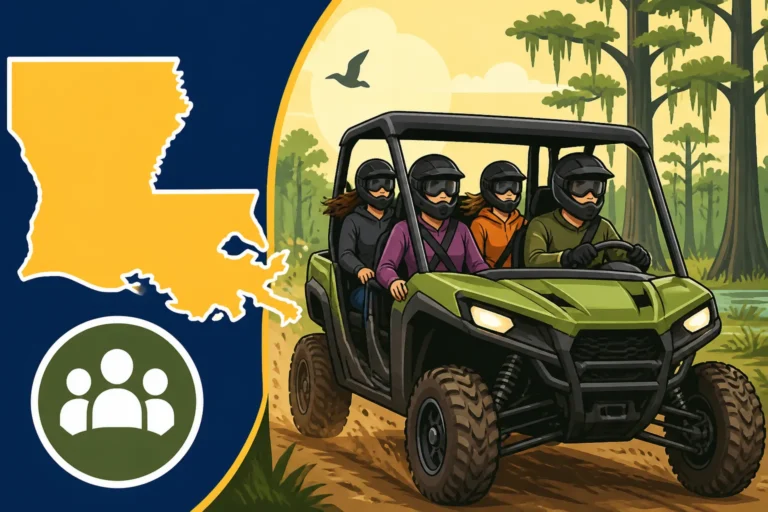
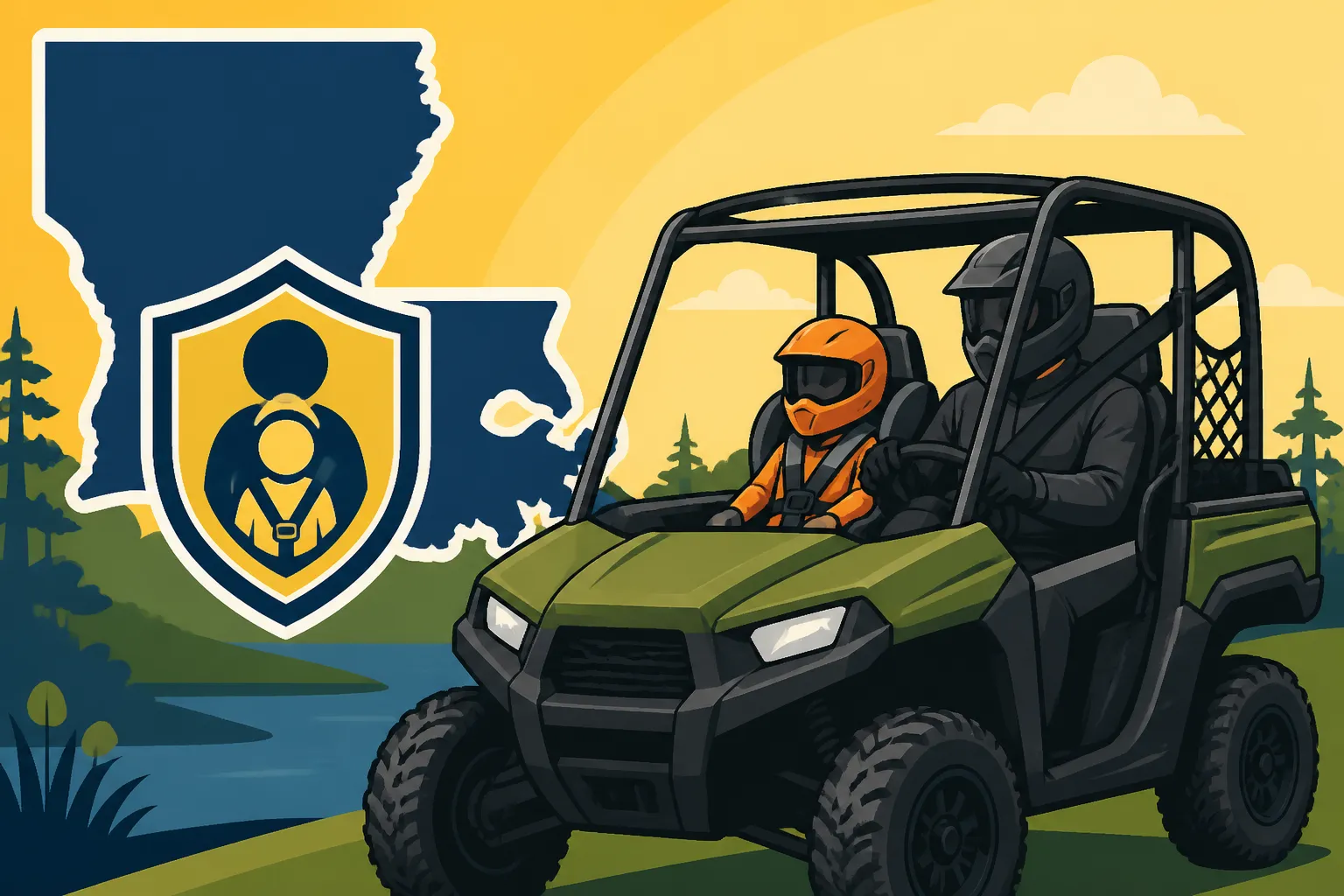
The most important rule for UTV passengers, including children, is that they must be properly secured by a seatbelt in a designated seating position. UTVs come equipped with seatbelts, typically 3-point or 4-point harnesses, depending on the model and any aftermarket modifications. Every passenger must use one, and it must fit correctly. [Louisiana Rules for Passengers on a UTV] highlights the importance of these safety features.
A "designated seating position" means a seat specifically manufactured for a passenger, not just any open space in the UTV. Standing in the bed, sitting on someone's lap, or perching precariously on the side are all unsafe and illegal. Ensure your UTV has enough designated seats for every person you plan to carry. Many UTV owners upgrade their stock seatbelts to 4-point or 5-point harnesses for enhanced safety, especially for spirited riding or when carrying precious cargo like children. These aftermarket systems, often found through accessory providers, provide a much more secure fit and distribute impact forces more effectively than standard lap belts.
Prioritizing Safety Beyond the Law
While legal compliance is a must, true responsibility means going beyond the minimum requirements, especially when children are involved. The great outdoors, while thrilling, also presents inherent risks, and it’s up to us as operators to mitigate those risks as much as possible. Thinking proactively about safety gear, riding conditions, and rider education can make all the difference.
Essential Safety Gear for Young Riders
Proper safety gear is non-negotiable for any rider, but it's even more critical for children. Their bodies are more vulnerable, and a fall or impact can have more severe consequences. Helmets are paramount. In Louisiana, [Louisiana ATV Helmet Rules] and [Is a Helmet Required on a Louisiana UTV?] detail the legal requirements, but even where not legally mandated, a Snell or DOT-approved helmet is a must for a child passenger. The helmet must fit snugly, not wobble, and cover the forehead.
Beyond helmets, consider eye protection (goggles or face shield), long-sleeved shirts, long pants, gloves, and sturdy over-the-ankle boots. This gear protects against branches, debris, sun exposure, and impacts. Think of it as armor for their adventurous spirit. Companies specializing in off-road accessories often provide youth-sized versions of this critical gear, ensuring a proper and comfortable fit. Investing in high-quality gear is an investment in your child’s well-being and allows them to enjoy the ride without unnecessary exposure to common trail hazards.
Choosing Appropriate Trails and Riding Conditions
When carrying child passengers, the type of terrain and riding conditions you encounter becomes even more important. This isn't the time for extreme rock crawling, deep mud bogging, or high-speed racing. Opt for smoother, well-maintained trails that are within your and your machine's capabilities. Consider forest roads, designated beginner trails, or private land with controlled environments.
Avoid riding in adverse weather conditions like heavy rain, thick fog, or when trails are excessively muddy or slick. These conditions not only increase the risk of an accident but can also make the ride uncomfortable and unpleasant for a child. Always check trail conditions before heading out, especially after a storm. Your goal should be a fun, safe, and positive experience that encourages a love for the outdoors, not one that frightens them or puts them at undue risk. Remember, the journey is just as important as the destination, and a calm, enjoyable ride is best when kids are on board.
Teaching Responsible Riding Habits
Even as a passenger, a child can begin to learn about responsible riding. Explain what you're doing, why you're slowing down for bumps, and why you're watching for other riders. Emphasize the importance of staying seated, keeping hands and feet inside the vehicle, and not distracting the driver. These early lessons can instill a respect for the machine and the environment.
Consider enrolling your child in a safety course when they are old enough to operate their own machine. [Louisiana Safety Course Options] and the [Louisiana 4-H ATV Safety Program] are excellent resources that teach proper riding techniques, safety procedures, and environmental responsibility. Even if they are years away from driving, understanding the principles behind safe operation can make them better, more attentive passengers. For now, leading by example and patiently explaining safety protocols, perhaps even demonstrating how accessories from SuperATV can enhance safety, will serve as their first crucial lessons on the trail.
Public vs. Private Land Riding with Children
The rules and expectations for riding with children can sometimes vary depending on whether you're on public land, like a WMA or national forest, or private property, such as a family farm or a dedicated mud park. Understanding these nuances is key to staying out of trouble and keeping everyone safe.
Public Land Rules and Enforcement
When you’re riding on public lands in Louisiana, such as the Kisatchie National Forest or a Wildlife Management Area (WMA), you’re typically subject to federal, state, and often local regulations. These can include specific age limits for operators, sometimes stricter than general state law, and strict adherence to passenger rules. For UTVs, all state rules regarding seatbelts and designated seating apply. For ATVs, the ban on passengers is generally upheld across public lands.
Rangers and law enforcement officers patrol these areas, and they are usually well-versed in the specific regulations for their jurisdiction. They won't hesitate to issue citations for violations that put children at risk. Beyond state laws, individual WMAs or forest districts may have their own posted rules about machine types, speed limits, and even the type of safety gear required. Always check the specific rules for any public land area before you visit. Ignoring these can lead to fines, impoundment, or being ejected from the riding area, spoiling your family's outing.
| Feature | ATV Child Passenger Rules (General) | UTV Child Passenger Rules (General) |
|---|---|---|
| Legal to Carry? | Generally NO, unless specifically designed for 2 | YES, with proper restraints |
| Minimum Age | N/A (due to general prohibition) | No specific minimum, but must fit restraints |
| Seating Required | N/A (due to general prohibition) | Designated seating position only |
| Restraints | N/A | Must use manufacturer-installed or approved seatbelts |
| Helmets | Recommended; sometimes legally required for operator | Recommended; sometimes legally required for operator |
| Fit Requirement | N/A | Must fit securely in seat and with seatbelt |
| Primary Concern | Stability and design for single rider | Proper restraint and seating |
Private Park and Land Regulations
Private lands and dedicated off-road parks, like Muddy Bottoms ATV Park, often have their own sets of rules in addition to or sometimes superseding state law, especially regarding age minimums and passenger policies. While some private land owners might be more lenient, commercial parks typically have strict rules for liability and safety. Many parks will have waivers that parents must sign, and they might enforce their own age limits for operators and passengers, as well as specific gear requirements like helmets for all riders, including UTV passengers. [Louisiana Private Park Helmet Rules] are often quite clear on this.
It's absolutely essential to check the specific rules of any private park or landowner before you visit with children. What's acceptable on your own private five acres might not be allowed at a bustling mud park. These parks often have staff on hand to enforce their rules, which are designed to create a safer environment for everyone. Always err on the side of caution and adhere to the strictest set of rules that applies, whether it's state law, federal regulations, or the specific policies of the private property you're visiting.
Disclaimer
This article is for general informational purposes only and does not constitute professional advice. Laws, prices and regulations vary by location and change over time. Consult a qualified professional for guidance on your specific situation.