Alcohol at a Mud Park
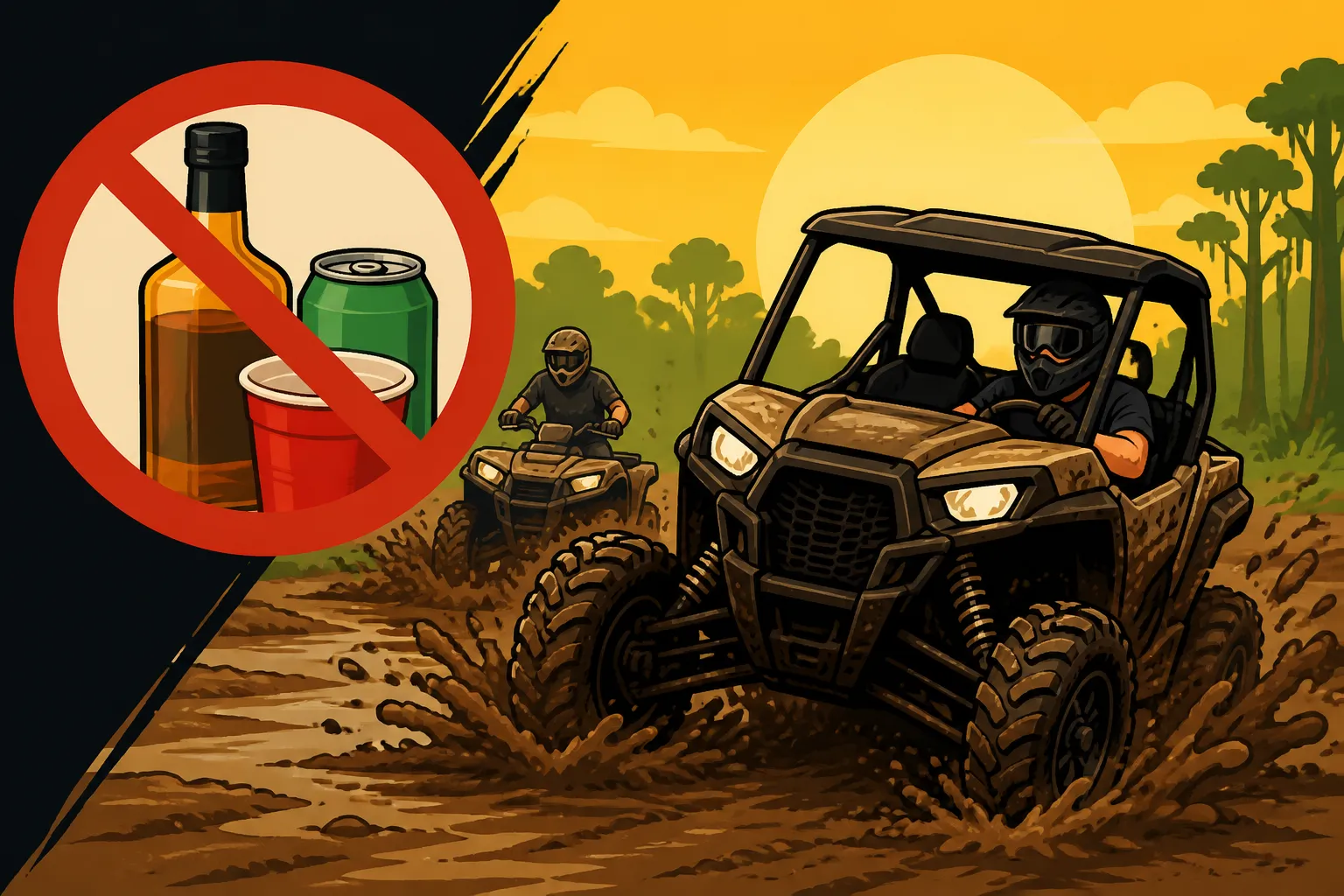
Ah, the Louisiana mud park experience! There's nothing quite like gathering your crew, firing up the rig, and heading out for a weekend of tearing up the trails. It's a fantastic escape, a chance to let loose and enjoy the camaraderie of fellow riders. And let's be honest, for many, that image often includes cracking open a cold one or enjoying a celebratory drink around the campfire after a long day of riding. But before you stock the cooler, it's really important to understand that mixing alcohol with off-road machines, even on private land, comes with its own set of rules, risks, and serious consequences. This guide is here to help you navigate those waters, ensuring your mud park adventures are memorable for all the right reasons, not the wrong ones.
Understanding Mud Park Alcohol Policies
You pull into a mud park, the air buzzing with excitement, engines rumbling, and music already drifting from campsites. It feels like a big, private party, and naturally, many folks assume that means anything goes, especially when it comes to adult beverages. But here's the reality check: while mud parks are private property, they still operate under a host of rules, and alcohol policies are almost always near the top of that list. Ignoring these can quickly turn a fun weekend into a frustrating, or even dangerous, ordeal.
Why Parks Have Alcohol Rules
Think about it from the park's perspective. They're managing hundreds, sometimes thousands, of people, many operating powerful machinery. Their primary concern is safety, not just for their guests but also to protect their business from liability. A single serious accident, especially one involving alcohol, can have devastating consequences for everyone involved and could even lead to the park shutting down.
Most parks will have explicit rules about alcohol consumption, often posted at the entrance, on their website, or in waivers you sign. These rules aren't designed to spoil your fun; they're there to create a safer environment for everyone. Some parks might allow alcohol only within designated camping areas, while others might ban it entirely from riding trails. You might find rules restricting glass containers or specific types of alcoholic beverages. For instance, some parks strictly enforce a "no open container on the trails" policy, even if you're not driving. It's always a smart move to review [Louisiana Private Park Alcohol Rules] before you pack your ice chests.
Variations Between Parks and Events
Just like every mud hole is a little different, so are the rules from park to park. A huge, multi-day event at a place like Muddy Bottoms ATV Park, which hosts massive gatherings documented on their [Muddy Bottoms' Event Calendar in Louisiana], might have different enforcement strategies than a smaller, more family-oriented park or a one-off [Louisiana Mudfest and Event Weekends]. Some events might even allow adult beverages in certain spectator areas but have zero tolerance on active trails. It’s not uncommon for parks to bring in additional security or even off-duty law enforcement during large events to help manage these policies.
It's also worth noting that while Louisiana's general open container laws might apply differently on private property, public intoxication can still lead to trouble no matter where you are. Even if the park allows alcohol, if you become disorderly or a danger to yourself or others, security or law enforcement can and will intervene. Always respect the park's staff and security, as they are ultimately the ones responsible for enforcing these policies on their grounds. A little courtesy goes a long way.
The Real Dangers of Drinking and Riding
Okay, let's talk turkey about why these rules exist and why you really need to take them seriously. Beyond the park's policies, there are profound personal risks associated with drinking and riding. This isn't just about getting a ticket; it's about life-altering injuries, property damage, and the ripple effect it has on everyone around you.
Impaired Judgment and Reaction Time
Alcohol, even in small amounts, significantly impairs your judgment, coordination, and reaction time. On an ATV or UTV, especially in the unpredictable terrain of a mud park, those faculties are absolutely critical. You need to be able to quickly assess a mud hole, react to a sudden obstacle, or avoid another rider. When you've had a few drinks, your brain processes information slower, your vision can blur, and your motor skills decline. What might seem like a manageable challenge when sober can become a terrifying, out-of-control situation when you're impaired. A moment's lapse in judgment could mean rolling your machine, colliding with a tree, or worse, hitting another person.
Consider trying to navigate a tricky section of trail after dark; if you've been drinking, even the best [Louisiana Lighting Rules on a Machine] won't fully compensate for your impaired vision. The statistics on ATV accidents involving alcohol are sobering for a reason. Don't become one of them.
Property Damage and Insurance Woes
Beyond personal injury, there's the very real risk of damaging your expensive machine. Mud parks are tough on equipment, even for sober riders. Adding alcohol to the mix dramatically increases the likelihood of breaking parts, getting stuck beyond easy recovery, or completely totaling your quad or side-by-side. Imagine bending an axle, busting a tie rod, or drowning your engine because you misjudged a water crossing while impaired. The repair bills for a machine like a heavily customized SuperATV build can be astronomical.
And here's another kicker: your insurance policy might not cover damages if you were found to be riding under the influence. Many recreational vehicle policies have clauses that void coverage in such circumstances. So, not only are you facing repair costs, but you might be footing the entire bill out of your own pocket. If you cause damage to someone else's machine or property, you could be liable for that too. Understanding [What Your Insurer Wants After a Collision] is crucial, and they definitely don't want to hear you were drinking.
Legal Consequences: DUI and Beyond
It's a common misconception that DUI laws only apply to public roads. While the specifics can vary, many states, including Louisiana, have laws that can extend to operating off-road vehicles while intoxicated, especially if the private property is accessible to the public or if you eventually transition onto a public road. A mud park might feel isolated, but if law enforcement is called for an accident or disturbance, you could absolutely face charges for [Louisiana DUI Law and Off-Road Machines].
Beyond DUI, you could face charges for public intoxication, reckless endangerment, or even assault if your impaired judgment leads to an altercation. The penalties can include hefty fines, loss of your driver's license (even if you weren't in a car), jail time, and a permanent criminal record. This isn't just about the weekend; it's about your future. If an accident occurs and you're found to be at fault and intoxicated, the legal repercussions could be severe, including civil lawsuits.
Strategies for Responsible Consumption at the Mud Park
So, does this mean you have to be a teetotaler to enjoy a mud park? Not necessarily. It means being responsible, planning ahead, and understanding your limits. It's entirely possible to enjoy the social atmosphere and even have a few drinks without putting yourself or others at risk.
Plan Your Day and Designate a Driver
The absolute best strategy is to separate your riding time from your drinking time. If you plan on riding, commit to staying sober. Save the celebratory drinks for after your machine is parked, keys are out, and you're settled in for the night at your campsite. This might seem obvious, but in the heat of the moment, with everyone having fun, it can be easy to blur those lines.
If you're going with a group, consider designating a sober driver or "spotter" for the day. This person can handle the riding, navigating, and any situations that require clear thinking, while others can enjoy themselves responsibly at the campsite. Rotate this role throughout the weekend, or have dedicated sober individuals who commit to driving while others drink. Just as you would with a night out, plan your transportation (or lack thereof) before the first drink.
Know the Park Rules and Your Limits
Every mud park will have its own set of guidelines, which might include specific quiet hours, rules about campfires, and of course, alcohol policies. Make sure you've read and understand these. Don't rely on hearsay; check the park's official website or signage. Also, be honest with yourself about your own limits. What might be "a few drinks" for one person could be too much for another, especially after a physically demanding day of riding in the heat. [Louisiana Riding in Summer Heat] can dehydrate you quickly, making alcohol hit harder and faster.
It’s also smart to ensure your camp is set up for relaxation and safety. Think about having plenty of water and food available to pace yourself. And consider the social aspect: if you're with a group, look out for each other. If someone has clearly had too much, step in and ensure they don't get behind the wheel of their machine. This is part of good [Riding Etiquette at a Mud Event].
Table: Mud Park Alcohol Rules & Safe Practices
Here’s a quick overview of common mud park alcohol rules and how to stay safe:
| Category | Common Park Rule/Expectation | Safe Practice Recommendation |
|---|---|---|
| Riding Trails | No open containers; no riding while intoxicated. | Zero alcohol while operating your machine, period. |
| Campsites | Alcohol generally permitted within designated areas. | Keep it contained; avoid excessive noise; use plastic/cans. |
| Glass Containers | Often prohibited on trails and sometimes in camps. | Bring cans or plastic bottles to prevent broken glass hazards. |
| Underage Drinking | Strictly prohibited and actively enforced. | No underage drinking. It's illegal and highly dangerous. |
| Public Intoxication | Discretionary, but can lead to removal or law enforcement. | Stay in control; if you feel too impaired, call it a night. |
| Designated Drivers | Not always a park rule, but highly encouraged. | Always have a sober operator for your machine. |
| Emergencies | Being sober is critical for effective response. | Ensure at least one person in your group remains clear-headed for First Aid at a Mud Park or other urgent situations. |
Remember, your off-road machine is a powerful piece of equipment. Treat it with respect, and give it the sober attention it deserves. While a well-outfitted machine with quality parts from companies like SuperATV can handle a lot, it can't compensate for impaired judgment. Be smart, be safe, and enjoy those Louisiana mud parks responsibly!
Disclaimer
This article is for general informational purposes only and does not constitute professional advice. Laws, prices and regulations vary by location and change over time. Consult a qualified professional for guidance on your specific situation.