Getting Written Permission From a Louisiana Landowner
Trying to find a place to safely and legally ride your ATV or UTV in Louisiana can feel like navigating a minefield. Many of us dream of exploring vast stretches of private land, but the reality is, showing up unannounced or relying on a quick verbal "yeah, sure" from a landowner is a recipe for trouble. This guide is here to walk you through the essential steps for getting formal, written permission from a Louisiana landowner, ensuring you can ride responsibly and with peace of mind.
Why Written Permission Isn't Just a "Good Idea" – It's Essential
Let's be honest, we all love the thrill of riding, but that thrill shouldn't come at the cost of legal headaches or strained relationships. In Louisiana, private property is just that – private. While a friendly handshake and a verbal nod might feel sufficient in the moment, relying on spoken agreements for something as significant as off-road riding permission is a risk you simply don't want to take. Written permission elevates the understanding between you and the landowner from a casual favor to a clear, legally sound agreement, protecting both parties.
The Legal Ramifications of Trespass in Louisiana
It’s easy to think, "What's the big deal? I'm just riding my quad." But Louisiana law takes property rights seriously. If you're on someone else's land without clear, express permission, you're trespassing, plain and simple. Even if you mistakenly thought you had permission, or if the property lines were unclear, ignorance of the law is generally not a valid defense.
The penalties for trespass can range from significant fines to, in more severe cases, your machine being impounded. Imagine the frustration and expense of having your pride and joy, maybe even outfitted with some awesome SuperATV accessories, confiscated because of a misunderstanding. Beyond the immediate legal repercussions, you could face civil lawsuits for damages if your riding caused any disturbance or harm to the property. This is why having a clear, written document is absolutely paramount – it acts as your shield against such unfortunate situations. Understanding [Louisiana Trespass Law for Riders] is the first step to ensuring you don't inadvertently break it.
Protecting Yourself and the Landowner
Written permission does more than just keep you out of legal hot water; it establishes clear boundaries and expectations for everyone involved. For you, it means knowing exactly where you can ride, what types of machines are allowed, and for how long. There’s no ambiguity about whether that back forty is off-limits or if you can bring a friend.
For the landowner, it's an invaluable layer of protection. It clarifies that they have granted specific permission under specific conditions, which can be crucial if an accident occurs. While it doesn't entirely remove liability, it demonstrates that they took reasonable steps to manage access to their property. This document can also outline rules about noise, speed, and environmental impact, ensuring your fun doesn't become their headache. This level of detail helps build trust, allowing landowners to feel more comfortable granting access for riding, perhaps even with the understanding that your machine, possibly equipped with SuperATV skid plates, will minimize ground disturbance.
Crafting Your Request for Permission
Asking for permission, especially written permission, might seem a bit daunting, but it's a straightforward process that shows you're serious and respectful. Think of it as a professional courtesy that sets the tone for a positive relationship. Approaching the situation thoughtfully and with a clear plan can significantly increase your chances of success.
Initial Contact and Building Rapport
Before you even think about drafting a formal letter, establish initial contact with the landowner. This isn't the time to show up unannounced with your trailer and machine. A polite phone call or a respectful visit at a convenient time is always best. Introduce yourself, explain your interest in riding their land, and express your commitment to being a responsible visitor.
Listen more than you talk. Understand their concerns – perhaps they've had bad experiences with riders in the past, or they have livestock, hunting leases, or sensitive crops to protect. Addressing these concerns proactively will build rapport and trust. You might mention how your SuperATV winch is there for recovery, not for tearing up the landscape, or how you practice [Louisiana Trail Etiquette Locals Expect]. A positive first impression can make all the difference in whether they're open to the idea of an off-road enthusiast on their property.
What to Include in Your Written Request
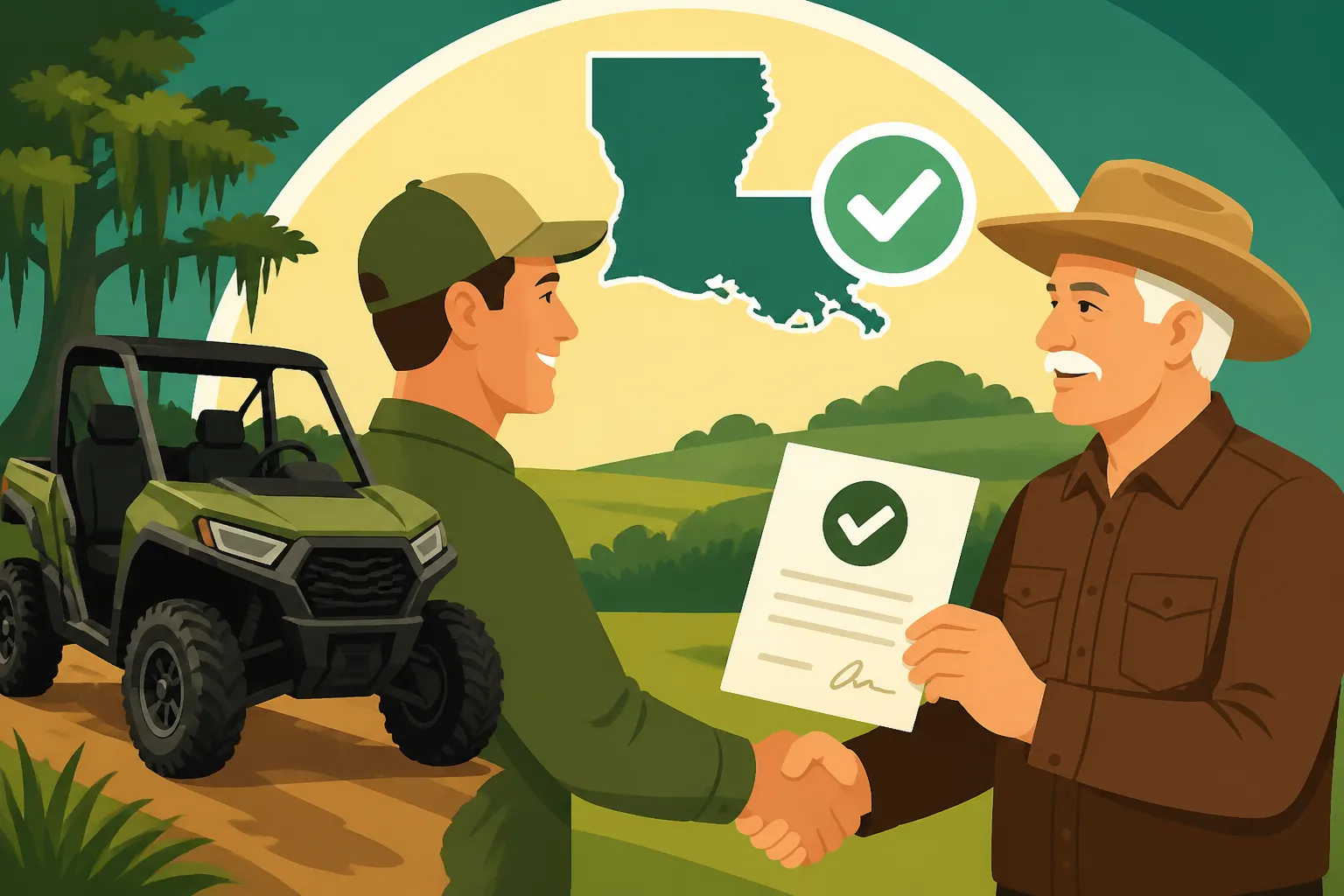
Once you've had a positive initial conversation, it's time to formalize your request. A well-written permission letter, or a pre-made [Louisiana Landowner Permission Forms] template, should cover all the critical details. This document should leave no room for misunderstanding about what is being permitted. It should clearly state who is allowed to ride, what machines they can use, where on the property they can ride, and for how long the permission is valid.
Remember to specify any agreed-upon rules, like "daylight hours only," "no alcohol," or "helmets required." It's also wise to include a clause where you, as the rider, assume all risks and agree to hold the landowner harmless in the event of an accident. This might seem like a lot of detail, but it’s precisely what makes the agreement robust and reassuring for the landowner. Don’t forget to make space for both your signature and the landowner's, along with the date.
Here's a table outlining the key elements you should consider including in your written permission document:
| Element | Description | Why It's Important |
|---|---|---|
| Landowner's Full Name | Clear identification of who is granting permission. | Legal clarity; ensures correct party is authorizing. |
| Rider(s) Full Name(s) | Who is authorized to ride (e.g., "John Doe and immediate family members"). | Limits permission to specific individuals, reducing unauthorized access. |
| Date of Agreement | When the permission takes effect and is signed. | Establishes timeline for validity. |
| Property Description | Address, parish, legal description (e.g., "Lot X, Section Y, Parish Z") or clear landmarks. | Defines exactly where riding is permitted, preventing ambiguity. |
| Duration of Permission | Specific dates (e.g., "October 1, 2023 – March 31, 2024"), or "indefinite until revoked by either party." | Provides clarity on how long the permission lasts. |
| Allowed Machine Types | ATV, UTV, dirt bike, etc., including details like "ATVs and UTVs under 70 inches wide, no agricultural tires." | Ensures only appropriate vehicles are used; avoids surprises and damage. |
| Specific Riding Areas | Designated trails, fields, specific boundaries (e.g., "entire property excluding cultivated fields and ponds"). | Prevents damage to sensitive areas and conflict with other land uses. |
| Specific Restrictions | Speed limits, noise rules, no night riding, helmet requirements, no passengers, no hunting while riding. | Protects the land, wildlife, and ensures safety; minimizes disturbance. |
| Indemnity Clause | Rider assumes all risk and agrees to hold landowner harmless from liability. | Crucial for landowner liability protection in case of accident or damage. |
| Rider's Signature | Acknowledges understanding and agreement to terms. | Legally binds the rider to the agreement. |
| Landowner's Signature | Legal authorization. | Makes the document binding and official. |
Navigating Common Landowner Concerns and Specific Scenarios
Landowners often have legitimate worries when considering allowing others onto their property, especially with motorized vehicles. Addressing these concerns head-on, with thoughtful solutions, can significantly ease their apprehension and solidify your request. It shows you're not just looking for a place to play, but you're a responsible individual who values their property.
Addressing Liability and Property Damage
The biggest elephant in the room for many landowners is liability. What if you get hurt? What if you damage their fence or irrigation system? This is where your preparedness comes in. Start by explaining that you carry personal liability insurance for your ATV or UTV. Having a policy in place, even if it's not mandated for private land use, shows incredible foresight and responsibility. You can highlight how a good policy can cover potential medical costs or property damage. If you're unsure about what coverage you need, researching [Louisiana ATV Insurance Costs] or [Louisiana UTV Insurance Minimums] can give you a baseline, even if it's not strictly for road use.
Beyond insurance, offer practical solutions. Suggest sticking to established trails or specific areas to minimize impact. Perhaps you can offer to help with light maintenance, like clearing brush or repairing small sections of fencing, turning your riding privilege into a mutually beneficial arrangement. Maybe you've invested in quality protective gear for your machine, like robust SuperATV bumpers or A-arm guards, which demonstrate your commitment to preventing damage to both your machine and the terrain. These kinds of gestures can go a long way in alleviating a landowner's fears.
Special Considerations for Leases, Clubs, and Agricultural Land
Not all private land is the same, and different types of properties come with their own unique sets of rules and considerations. For instance, if the land is part of a hunting lease, you'll need to confirm with the leaseholder and the landowner that ATV/UTV riding is permissible and won't interfere with hunting seasons or game management. [Louisiana Hunting Season and Trail Access] is a significant consideration here, as riding during deer season might be strictly prohibited by a lease agreement.
Similarly, if you're part of an ATV or UTV riding club, sometimes these clubs have existing relationships or agreements with landowners or manage their own private riding areas. Exploring [Louisiana ATV Clubs Worth Joining] could open doors to lands already vetted for riding. For agricultural land, the rules might be even more specific. While there are often exemptions for farm use, such as those covered by [Louisiana Agricultural Affidavits for an ATV], riding for recreation is a different matter. You might need to clarify that your recreational use won't compact soil in fields, disturb crops, or interfere with farm operations. Sometimes, landowners might even see utility in allowing certain types of vehicles, especially a robust UTV, perhaps equipped with a SuperATV cargo bed and heavy-duty suspension, for tasks like checking fences or hauling feed, blurring the lines between work and recreation.
Maintaining the Relationship Long-Term
Getting written permission is a huge first step, but it's just the beginning. The ongoing relationship you have with the landowner is critical for continued access. This means consistently following the rules and respecting the land as if it were your own. If the agreement says "no riding after dark," then no riding after dark, period. If it specifies certain trails, stay on them.
Regular communication is also key. A quick check-in now and then, especially if you haven't ridden in a while, shows respect. And of course, always express your gratitude. A small gesture, like sharing some wild game (if you hunt there) or simply a heartfelt thank you, can reinforce the positive relationship. Remember, you're not just a rider; you're a guest. Treat the privilege with the respect it deserves, and you'll likely enjoy access for years to come.
What to Do If Permission Isn't Granted (And Other Options)
It's natural to feel a bit disappointed if a landowner declines your request for permission. You've put in the effort, you've been respectful, but for whatever reason, they've said no. Don't take it personally. There could be countless reasons that have nothing to do with you – past negative experiences, existing leases, environmental concerns, or simply a preference to keep their land completely private. The important thing is to accept their decision gracefully and move on.
Respecting a "No" and Moving Forward
A polite "thank you for considering my request" is always the best response, even if you’re a little disheartened. Arguing or pushing the issue will only create a negative impression and cement their decision. Remember that a landowner's property is their sanctuary, and they have every right to control who accesses it. Your respectful approach, even in denial, might leave a good impression for future possibilities or open doors with other landowners they might know.
Instead of dwelling on the "no," use it as an opportunity to refine your approach for the next time you ask for permission elsewhere. Think about what you could do differently, how you could address potential concerns more thoroughly, or if there's a different type of property that might be more suitable for your riding style. There are plenty of other places to ride in Louisiana, so one closed door isn't the end of the trail.
Exploring Public Lands and Private Parks
If private land access proves difficult, or if you simply prefer a more structured riding experience, Louisiana offers fantastic alternatives. Public lands, like portions of the [Kisatchie National Forest OHV Trails in Louisiana], provide miles of designated trails for ATVs and UTVs. These areas often have specific rules regarding permits, machine types, and seasons, so it’s always crucial to check with the managing authority before you go. While they may require a permit or small fee, they offer a legal and generally well-maintained environment for riding.
Then there are Louisiana's private mud parks and off-road facilities, which are incredibly popular. Places like [Muddy Bottoms ATV Park in Louisiana] or Louisiana Mudfest offer thousands of acres specifically designed for off-road recreation. These parks often have amenities like camping, wash stations, and even events, making for a full weekend of fun without the hassle of seeking individual landowner permissions. They cater to a wide range of riders, from casual trail explorers to dedicated mud enthusiasts, and provide a legal, often social, outlet for your passion. Whether you're riding a stock machine or one fully tricked out with SuperATV portal gears and lift kits, these parks are built to handle it.
Disclaimer
This article is for general informational purposes only and does not constitute professional advice. Laws, prices and regulations vary by location and change over time. Consult a qualified professional for guidance on your specific situation.