Why Riding on a Public Levee Is Prohibited
Anyone who’s spent time cruising Louisiana’s backroads knows the temptation: those long, smooth, sometimes grassy levee tops that seem to stretch endlessly, practically begging for an ATV or UTV ride. It’s easy to look at them and think, "What's the harm?" But the truth is, riding on public levees is strictly prohibited here in Louisiana, and for very serious, often life-saving reasons. This guide is going to walk you through exactly why these vital flood protection structures are off-limits, helping you understand the rules and prevent you from getting into a heap of trouble.
The Critical Role of Louisiana Levees and Why Riding Poses a Threat
Louisiana's levees aren't just dirt mounds; they are meticulously engineered, critical pieces of infrastructure designed to protect homes, businesses, and lives from the state's formidable waterways. When you see a levee, you're looking at the front line of flood defense, and its integrity is paramount.
Protecting Vital Flood Control Infrastructure
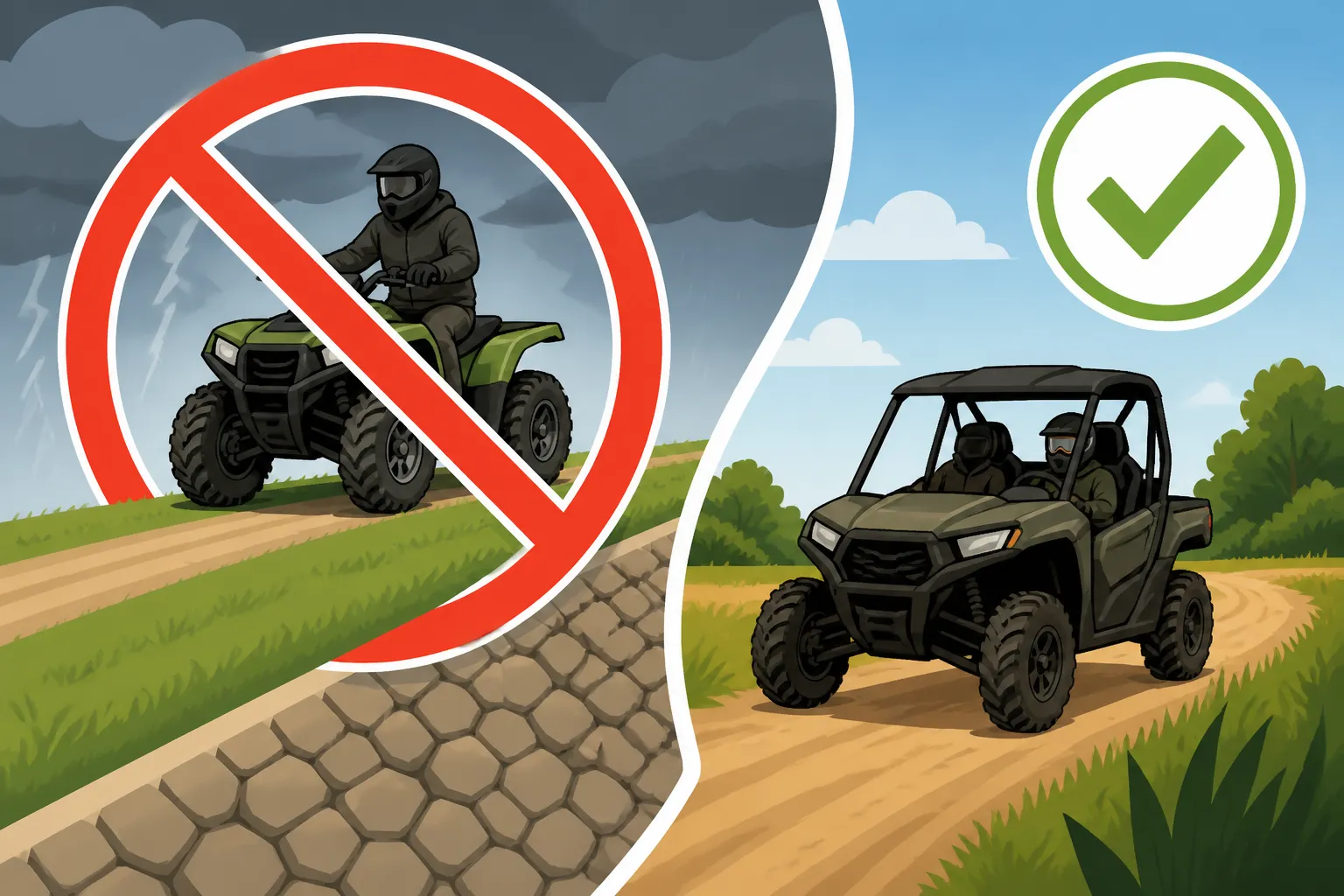
Think of a levee as a carefully constructed dam, built to precise specifications. Its core strength comes from compacted soil, specific drainage, and a robust vegetative cover that holds everything in place. When an ATV or UTV rides on top, or even along the slopes, it can cause damage that might seem minor at first glance but has far-reaching consequences. Tires dig into the soil, especially after rain, creating ruts that can channel water, leading to erosion. Even a small rut can become a significant weakness during a high-water event, potentially turning into a larger scour that compromises the entire levee structure.
Imagine a critical point on the Mississippi River, where thousands of homes rely on a levee holding firm. A careless ride by a single machine could, over time, create a soft spot or a minor erosion point that, under the pressure of floodwaters, could lead to a breach. The risk is simply too high. Levee districts spend countless hours and taxpayer dollars on maintenance, and unauthorized recreational riding directly undermines these efforts. Every impact, every rut, every bit of disturbed grass cover contributes to the slow degradation of a structure meant to literally hold back a river. That’s why the prohibition against [Louisiana Levee Riding Is Prohibited] is so absolute.
Safety Concerns for Riders and the Public
Beyond structural integrity, public levees present significant safety hazards for unauthorized riders. These aren't designated trails; they are active infrastructure sites. Levee districts constantly inspect, maintain, and sometimes repair these structures using heavy equipment. An unexpected ATV or UTV could easily collide with maintenance vehicles, surveyors, or other official personnel who have legitimate access. The surfaces themselves can be deceptive, with hidden culverts, sudden drops, or unstable edges, especially after heavy rains or along areas prone to subsidence.
Furthermore, during periods of rising water, levee districts need unimpeded access for flood fighting efforts. Any recreational machines or riders creating obstacles or simply being in the way can delay crucial emergency responses. This isn't just about your safety; it's about the safety of entire communities that depend on quick, efficient action during a flood threat.
Environmental Impact and Habitat Preservation
Louisiana's waterways and their adjacent lands are rich ecosystems, home to diverse plant and animal life. Levees, while man-made, often create unique habitats or serve as corridors for wildlife. Unauthorized ATV and UTV riding can severely disrupt these delicate environments. Ruts and soil compaction directly damage native vegetation, making it harder for plants to grow and increasing erosion. This erosion can then wash sediment into adjacent waterways, harming aquatic life and water quality.
Wildlife, from ground-nesting birds to small mammals, can be displaced or injured by unexpected machine traffic. The noise and presence of vehicles can disturb breeding grounds or feeding areas. Many levee areas are part of larger ecological systems, and maintaining their natural state, even on an artificial structure, is vital for the overall health of Louisiana's environment. Preserving these areas from unnecessary disturbance is another key reason for the riding ban.
Why Levee Riding is Prohibited: A Summary
| Reason | Description | Impact |
|---|---|---|
| Structural Integrity | Levees are engineered to withstand immense pressure; any damage can compromise their flood control ability. | Risk of erosion, weakening, and potential failure during high water events, endangering communities. |
| Public Safety | Unstable terrain, hidden hazards, and official vehicle traffic make unauthorized riding extremely risky. | High potential for serious accidents, injuries, or collisions with maintenance crews. |
| Environmental Protection | ATVs and UTVs can cause soil erosion, damage vegetation, and disturb sensitive wildlife habitats. | Degradation of natural ecosystems and increased susceptibility to further damage. |
| Legal Mandate | State and local levee districts have clear regulations prohibiting recreational access to public levees. | Violators face significant fines, machine impoundment, and potential civil liability for damages incurred. |
Who Controls Louisiana's Levees? Understanding the Authorities and Regulations
It’s often a point of confusion for riders: who exactly owns or controls these levees? The answer isn't always as simple as "the state." Louisiana's levee system is managed by a network of specialized authorities, each with a clear mandate to protect their specific region.
The Role of Levee Districts
Louisiana has numerous levee districts, each with jurisdiction over a specific geographical area. These districts are political subdivisions of the state, established to construct, maintain, and operate the flood control systems within their boundaries. They are run by boards of commissioners who are responsible for making decisions about levee integrity, access, and land use. This means that while a levee might appear to be public land, it's under the direct control and management of these specialized agencies.
These levee districts have the authority to create and enforce regulations specific to their jurisdiction. They are empowered by state law to prohibit any activity that could compromise the levee's function or safety, including recreational riding. Obtaining [Louisiana Levee District Permissions] for any kind of access is a formal process, usually reserved for essential work or official business, not casual recreation. If you’re wondering [Who Really Owns the Top of a Levee], the answer is effectively the levee district, which holds the responsibility for its proper functioning and public safety.
State Laws and Prohibitions
Beyond individual levee district regulations, Louisiana state law itself prohibits unauthorized use of levees. These statutes are in place to ensure a consistent level of protection across the state and to give law enforcement clear guidelines for enforcement. The law generally states that no one shall operate an off-road vehicle on, over, or across any levee, embankment, or right-of-way of any public levee, unless specifically authorized by the levee board having jurisdiction.
This means the prohibition isn't just a suggestion or a local park rule; it's a legally binding mandate. Ignorance of the law is never an excuse, and these regulations are designed to be understood as blanket prohibitions against recreational riding on these critical structures.
Enforcement and Patrols
Who actually enforces these rules? A combination of authorities. State police, parish sheriff's deputies, and even dedicated security personnel employed by the levee districts themselves are authorized to patrol these areas and issue citations. They are on the lookout for unauthorized vehicles, knowing the potential damage and liability that can arise from illegal use.
These patrols aren't always visible, and many sections of levees run through remote or rural areas. However, with advances in surveillance technology and increasing awareness of levee vulnerability, law enforcement is better equipped than ever to identify and apprehend violators. A simple joyride can quickly turn into a costly and embarrassing encounter with the law, especially when officers are conducting [Louisiana Equipment Checks by Troopers] in areas known for illegal riding.
The Steep Consequences of Illegal Levee Riding
It’s easy to dismiss a "no riding" sign as minor, but when it comes to Louisiana’s levees, the consequences of ignoring the rules are far from trivial. Violating levee access laws can hit your wallet hard, lead to the loss of your machine, and even open you up to significant legal battles.
Legal Penalties and Fines
Riding an ATV or UTV on a public levee without authorization is a direct violation of state law and local levee district ordinances. This isn't just a slap on the wrist. You can face substantial fines, often starting in the hundreds of dollars, potentially increasing significantly for repeat offenses or if damage is incurred. Beyond the initial fine, you'll also likely be responsible for court costs and administrative fees, which can quickly add up.
Think about it: a seemingly harmless afternoon ride could end up costing you more than a brand-new set of quality aftermarket parts from SuperATV. These penalties are designed to be a strong deterrent, reflecting the serious nature of compromising vital public safety infrastructure. They are often more severe than [Louisiana Penalties for Illegal Road Riding] because the potential for catastrophic damage is so much greater.
Machine Impoundment and Recovery Costs
One of the most immediate and painful consequences of illegal levee riding is the impoundment of your ATV or UTV. If law enforcement catches you, they have the authority to seize your machine on the spot. This means your pride and joy is towed away, and getting it back is not only a huge hassle but also expensive. You’ll be on the hook for towing fees, daily storage fees at the impound lot, and any administrative release fees. These costs can accrue rapidly, sometimes exceeding the value of older machines.
The process of recovering an impounded machine can be complicated, involving paperwork, proof of ownership, and payment of all outstanding fines and fees. It's a logistical nightmare that nobody wants to experience. Learning [How to Get an Impounded Quad Released] is a process you definitely want to avoid by simply staying off the levees in the first place.
Civil Liability and Property Damage
Beyond criminal fines and impoundment, there's the very real threat of civil liability. If your riding causes any damage to the levee itself – whether it's erosion, rutting, or disturbing protective vegetation – the levee district can sue you to recover the costs of repair. Given the engineering and specialized labor involved in levee maintenance, these repair costs can easily run into thousands or even tens of thousands of dollars.
Imagine being held responsible for contributing to a breach or a structural weakness in a levee. The potential for legal action and massive financial liability is immense. This is why [Louisiana Levee Trespass Penalties] include not only direct fines but also a path for civil recovery. The general [Louisiana Trespass Law for Riders] applies here, but with heightened stakes due to the critical nature of the property. It's simply not worth the risk.
Legitimate Levee Access and Where Else to Ride in Louisiana
Given the strict prohibitions, many riders might wonder if there’s any way to legally access levees, or what their alternatives are for enjoying their machines responsibly in Louisiana. The good news is there are legitimate paths for some, and plenty of fantastic places to ride without risking severe penalties.
Permitted Access for Official Business
It's important to understand that not all traffic is banned from levees. Levee district employees, contractors, emergency personnel, and utility workers often need access to inspect, maintain, or respond to issues on the levees. These individuals operate with official authorization and specific permits. You might see heavy-duty UTVs, often equipped with robust aftermarket components from brands like SuperATV, being used by these authorized personnel to navigate the often-challenging terrain efficiently and safely. Their purpose is always tied to the levee's function and public safety, not recreation.
Some landowners whose property directly abuts a levee might also have specific, limited permissions for access, typically for farming activities or property management. However, these permissions are highly specific, often require special permits from the levee district, and are not for general recreational use. Always assume you are not authorized unless you hold explicit, written permission from the relevant levee district.
Private Land Adjacent to Levees
Just because land is near a levee doesn't automatically mean it's off-limits. Many private properties border these flood control structures. If you own land that touches a levee, or if you have explicit, written permission from a private landowner, you can ride on that private property. However, it is absolutely crucial to know your property lines and ensure you do not inadvertently cross onto the public levee or its right-of-way.
This is where understanding [Getting Written Permission From a Louisiana Landowner] becomes paramount. A simple verbal agreement isn't always enough, especially if there's any confusion about boundaries. Always respect private property signs and err on the side of caution when you're near a levee, as the rules for the levee itself will always apply.
Exploring Legal Riding Alternatives
Instead of risking fines, impoundment, and civil liability on public levees, Louisiana offers a wealth of legal and exciting places to ride your ATV or UTV. The state is home to a variety of trails and parks designed specifically for off-road enthusiasts.
- State and National Forest Trails: Places like the Kisatchie National Forest offer miles of designated multi-use trails, where you can ride legally and responsibly. These trails are maintained and clearly marked, providing a safe environment for your adventures. Check out resources like [Louisiana ATV Trails: Where to Ride] for more information.
- Wildlife Management Areas (WMAs): Some WMAs have designated trails or specific seasons when ATVs and UTVs are permitted for access, often tied to hunting or wildlife management activities. Always check the specific WMA regulations before you go, as rules can vary widely. [Louisiana WMA Trail Riding] provides more details on these opportunities.
- Private Off-Road Parks: Louisiana boasts several fantastic private parks, like Muddy Bottoms ATV Park or Louisiana Mudfest, that are built for off-road fun. These parks offer a safe, managed environment with various terrains, events, and amenities. Many riders use high-quality upgrades, perhaps from SuperATV, to tackle the challenges these parks present. For a comprehensive look, see [Louisiana Private Mud Parks Compared].
These designated areas are not only legal but also provide a much better riding experience, often with a community of fellow enthusiasts. They are designed for fun, challenge, and safety, allowing you to truly enjoy your machine without the constant worry of breaking the law or damaging critical infrastructure.
Disclaimer
This article is for general informational purposes only and does not constitute professional advice. Laws, prices and regulations vary by location and change over time. Consult a qualified professional for guidance on your specific situation.