Louisiana Rules for Riding a Timber Road
It's an all-too-common scenario: you're out riding your ATV or UTV in rural Louisiana, enjoying the scenery, and suddenly, you spot it – a tempting dirt or gravel road winding off into a dense stand of pines or hardwoods. It looks like an open invitation to explore, but a nagging question quickly follows: "Can I actually ride my machine on this timber road, or am I asking for trouble?" This guide will break down the rules, risks, and proper procedures for navigating Louisiana's timber roads on your off-road vehicle.
Understanding Timber Roads: Not All Dirt Roads Are Equal
Here in Louisiana, many of us grew up seeing dirt roads crisscrossing forests and fields. It's easy to assume they're all open to the public, like our beloved parish roads. But when it comes to timber roads, that assumption can land you in hot water. Timber roads are primarily built and maintained by logging companies or private landowners for the sole purpose of harvesting and transporting timber. They are infrastructure for an industry, not necessarily public thoroughfares.
The Critical Distinction: Private Versus Public Land
The most crucial thing to understand about timber roads is that the vast majority of them are on private land. This is not like a state park trail or a national forest road where access is explicitly granted or regulated by a government agency. Instead, these roads are typically owned by individuals, timber companies, or large investment groups. The moment you cross onto a private timber road without explicit permission, you are trespassing, regardless of whether there's a gate or a "No Trespassing" sign.
Imagine you're driving your truck down a quiet highway in North Louisiana, perhaps near [Kisatchie National Forest OHV Trails in Louisiana]. You see a well-maintained gravel road veering off into a pine plantation. It looks wide open, maybe even has some tire tracks. Your first thought might be, "Great, a shortcut!" or "Perfect, a new area to explore on my quad!" However, that road almost certainly belongs to the timber company that owns the surrounding trees. They've built it to get their heavy equipment in and out, not for recreational use by the public. This distinction is vital because ignorance of ownership is rarely an excuse when a landowner or law enforcement gets involved.
Why Landowners Restrict Access
It might seem unwelcoming, but landowners have very legitimate reasons for restricting access to timber roads. First and foremost, liability is a huge concern. If you or someone in your riding party gets injured on their property, they could be held responsible. Beyond that, there's the risk of property damage. Heavy ATVs and UTVs, especially when ridden aggressively or in wet conditions, can damage road surfaces, culverts, and drainage systems that are expensive to maintain. There's also the constant worry about theft, vandalism, and fire hazards, particularly during dry seasons. A stray spark from an exhaust or a carelessly discarded cigarette could devastate a valuable timber stand.
Think about a timber company operating near Leesville or Ruston. Their primary business is growing and harvesting trees. Their roads are part of their operational infrastructure. They often have active logging operations, which can be incredibly dangerous for recreational riders who might not see or hear heavy machinery. They might have young tree seedlings that are easily trampled or specialized equipment stored out of sight. From their perspective, unauthorized riders represent a potential lawsuit, a maintenance headache, and a disruption to their business operations. This is why you'll often see "Posted" signs or even locked gates on these roads, even if they look inviting.
Seeking Permission to Ride on Timber Roads
Okay, so most timber roads are private. That doesn't mean all hope is lost for riding them. It simply means you have to go about it the right way: by obtaining permission. This can be a bit of a process, but it's the only truly legal and responsible path.
Identifying the Landowner
Before you can ask for permission, you need to know who to ask. This can sometimes be the trickiest part. Local parish tax assessor's offices are an excellent resource for this. Property records are public information, and you can usually look up ownership details by location or parcel number. Some parishes even have online GIS maps that show property lines and owner information. You might also ask local residents, especially those who live near the timber tract, as they often know who owns what in their area.
Let's say you're interested in a specific timber road just outside Monroe. You could visit the Ouachita Parish Assessor's office or check their online portal. By pinpointing the location on a map, you can often find the owner's name, which might be an individual, a family trust, or a large timber company like Weyerhaeuser or Plum Creek (now part of Weyerhaeuser). Knowing the exact owner is your first step towards making a respectful, informed request. Don't just assume it's "some logging company"; get specific.
Crafting Your Request for Access
Once you've identified the landowner, whether it's an individual or a company, your next step is to make a formal request for access. This should always be done in writing, or at least followed up in writing, to create a clear record. Your request should be polite, clear, and professional. Explain who you are, what kind of machine you ride (ATV or UTV), where exactly you'd like to ride (referencing specific roads or areas if possible), and for what duration.
What to include in your request:
- Your Contact Information: Full name, address, phone number, email.
- Purpose of Request: Clearly state you are seeking permission to ride your ATV/UTV on their timber roads.
- Specific Location: Reference the parcel number, road name, or clear landmarks of the area you're interested in.
- Proposed Dates/Duration: Are you looking for a one-time ride, a seasonal permit, or annual access? Be realistic.
- Your Understanding of Responsibility: State that you understand and accept the risks, and will adhere to all safety rules, respect property, and leave no trace.
- Insurance Information: Mention that you carry liability insurance on your off-road machine (if you do, and you absolutely should!).
- Waiver of Liability: Offer to sign a liability waiver if they provide one.
- Respect for Their Operations: Acknowledge that you understand this is active timber land and you will avoid any areas where logging is occurring.
For large timber companies, they may have specific land-use permit programs, especially for hunting leases. Riding access might fall under a similar program or require a separate discussion. Be prepared for a "no," but a well-written, respectful request always has a better chance than an unannounced ride. Don't forget that landowners may require a [Louisiana Landowner Permission Forms] for legal documentation.
The Value of Written Permission
If you're fortunate enough to receive permission, ensure it is in writing. A verbal "yeah, sure, go ahead" might feel friendly at the moment, but it's legally flimsy if there's ever a misunderstanding, an accident, or if a different representative of the landowner questions your presence. Written permission should ideally state:
- Your Name: Who is granted permission.
- Description of the Machine(s): ATV, UTV, number of machines.
- Specific Area/Roads: Clearly defined boundaries or routes.
- Dates/Duration: When the permission is valid.
- Any Conditions: Are there specific rules, times of day, or areas to avoid?
- Signature: From the authorized landowner or representative.
Carry this written permission with you whenever you ride on their property. If a game warden, sheriff's deputy, or company representative approaches you, you can immediately provide proof of legal access. This small piece of paper can save you from a lot of trouble, including potential [Louisiana Penalties for Illegal Road Riding] or charges of trespass.
Safety and Etiquette on Timber Roads
Even with permission, riding on timber roads presents unique challenges and requires a different mindset than hitting a designated trail park. These are working roads, not recreational trails, and safety should always be your top priority.
Navigating Active Logging Operations and Heavy Equipment
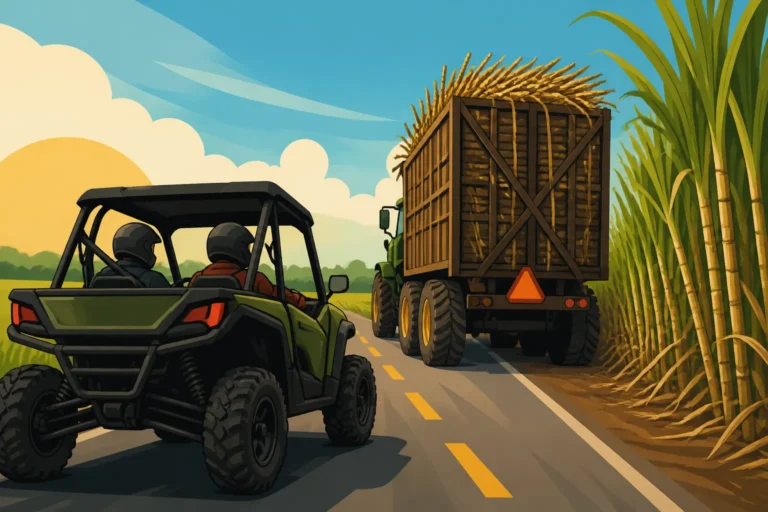
Timber roads are often active work zones. This means you could encounter enormous logging trucks, heavy feller bunchers, skidders, or dozers. These machines are massive, slow-moving, and their operators often have limited visibility. Always assume there could be equipment around the next bend. Ride slowly, especially on blind curves, and be prepared to yield the right-of-way to any logging vehicle. The sound of a diesel engine or the smell of cut timber should immediately put you on high alert.
Consider equipping your UTV with a horn or additional lighting if you plan to traverse working timber roads regularly, especially if you're riding with a [Louisiana Group Ride Planning] session. Visibility is your friend. Timber roads can also be quite narrow in places, with little room to pass. If you encounter a logging truck, pull over as far as safely possible and wait for it to pass. These drivers are on a schedule, and they appreciate riders who understand how to safely share their workspace.
Road Conditions: Expect the Unexpected
Unlike groomed trails, timber roads are built and maintained for heavy trucks, not nimble ATVs. This means the surface can be highly variable and unpredictable.
Common conditions you might encounter:
- Deep Ruts: Created by heavy truck tires, especially after rain. These can easily catch a tire and throw your machine off balance.
- Loose Gravel and Rocks: Can be slick, especially on inclines or declines, and can cause a loss of traction.
- Mud Holes and Water Crossings: Timber operations often mean wet areas. Be prepared for significant mud, standing water, and deep puddles. This is where durable components from brands like SuperATV, such as lifted suspension kits or heavy-duty axles, can really pay off in durability and capability.
- Downed Trees and Debris: Logging operations leave behind branches, stumps, and other obstacles that can be hidden or unexpected.
- Steep Grades: Roads built for heavy equipment might feature steeper inclines and declines than you're used to, requiring careful throttle control and engine braking.
- Washouts: Heavy rains can erode sections of road, creating dangerous drops or impassable areas.
Always ride defensively and within your skill level. Pay close attention to the road surface ahead. If a section looks too risky, turn back. Your machine's undercarriage, like a SuperATV skid plate, will thank you for taking it easy over rough terrain.
Environmental Responsibility and Leave No Trace
When you're granted the privilege of riding on private timber land, it's crucial to be an exemplary guest. This means strictly adhering to "Leave No Trace" principles. Pack out everything you pack in, including all trash, broken parts, and even food scraps. Avoid riding off the designated roads unless specifically permitted. Off-road deviations can damage young trees, sensitive ground cover, and wildlife habitats.
Respect posted signs, property boundaries, and any specific instructions given by the landowner. If you come across gates, leave them exactly as you found them – if they were closed, close them behind you. If you observe any issues, like downed trees blocking a road or signs of illegal dumping, consider notifying the landowner. Being a responsible rider increases the chances of continued access for yourself and others.
Legal Consequences of Unauthorized Timber Road Use
The desire to explore new terrain is strong for many ATV and UTV riders, but the legal and financial consequences of riding on private timber roads without permission are serious and often underestimated. It's not just a slap on the wrist.
Understanding Trespass Law in Louisiana
In Louisiana, trespassing can range from a simple misdemeanor to a felony, depending on the circumstances. Simply entering private property without permission, even if accidentally, can result in charges. If you cause any damage to the property while trespassing, the penalties can increase significantly. This includes damage to roads, gates, fences, or trees.
A landowner or their agent (like a timber company manager) has the right to ask you to leave their property. If you refuse, you can be charged with criminal trespass. Law enforcement, including parish sheriff's deputies or Louisiana Department of Wildlife and Fisheries (LDWF) agents, regularly patrol rural areas and are very familiar with trespass issues on timber lands. They can issue citations, impound your vehicle, and even make arrests. Imagine having your prized UTV, maybe outfitted with a SuperATV lift kit and aggressive tires, impounded and having to pay costly fees to get it back, on top of court fines.
| Scenario | Status on Timber Road (Typical) | Potential Consequence |
|---|---|---|
| No Permission, No Signs | Trespassing | Citation, Fines, Vehicle Impoundment |
| No Permission, Posted Signs | Aggravated Trespassing | Higher Fines, Potential Jail Time, Vehicle Impoundment |
| Permission, Causing Damage | Revoked Permission, Fines, Civil Lawsuit | Cost of Repairs, Legal Fees, Criminal Charges |
| Refusal to Leave | Criminal Trespass | Arrest, Higher Fines, Jail Time |
Financial Penalties and Vehicle Impoundment
Beyond the legal fines and potential jail time for trespassing, there are significant financial costs you could incur. If your ATV or UTV is impounded, you'll be responsible for towing fees and daily storage fees, which can quickly add up. These costs can easily run into hundreds or even thousands of dollars.
Furthermore, if you cause any damage to the timber road or surrounding property, the landowner can pursue civil charges against you to recover the costs of repairs. Repairing heavy-duty timber roads, culverts, or even replacing damaged saplings can be incredibly expensive. Your personal liability insurance for your off-road machine might not cover damages incurred while committing an illegal act like trespassing. This is why always ensuring you have [Louisiana Insurance for Trail Use] is wise, though it won't shield you from criminal trespass charges.
It's tempting to think, "What's the harm? No one will know." But the reality is that landowners are increasingly vigilant. Modern trail cameras, drones, and regular patrols make it much harder to ride undetected. The risk of getting caught and facing severe consequences far outweighs the thrill of an unauthorized ride. Respect for private property is not just a polite suggestion; it's a legal requirement with serious implications if ignored.
Disclaimer
This article is for general informational purposes only and does not constitute professional advice. Laws, prices and regulations vary by location and change over time. Consult a qualified professional for guidance on your specific situation.