Louisiana Levee Trespass Penalties
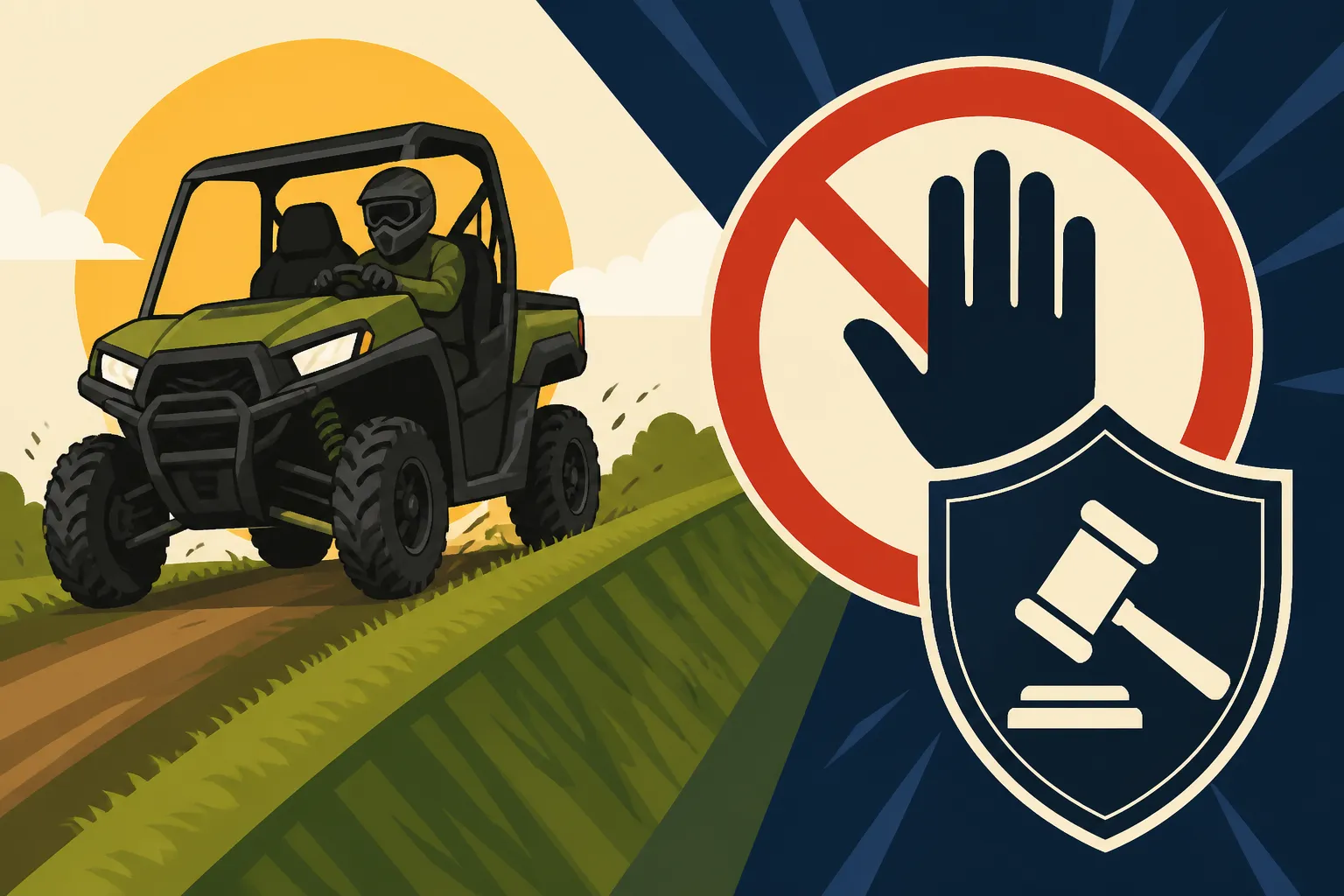
It’s a tale as old as time for off-road enthusiasts here in Louisiana: you see a tempting stretch of ground, maybe a gravel path or a well-worn track, and think, "Can I ride my ATV or UTV here?" For many, the answer is a swift and costly "no," especially when that tempting path happens to be a levee. The allure of wide-open spaces and unique terrain can be strong, but the rules surrounding our state's vital levee systems are crystal clear and the penalties for breaking them are surprisingly severe. This guide is here to walk you through exactly why levee riding is prohibited, what Louisiana considers trespass, and the very real consequences you could face, so you can avoid a costly mistake.
Understanding Why Levee Riding Is Prohibited in Louisiana
Let's be real, when you're itching to get out on your machine, the last thing you want to think about is bureaucracy and flood control. But in Louisiana, our relationship with water is fundamental, and our levees are the absolute frontline in that relationship. Understanding why riding on them is a big no-no is the first step to avoiding a hefty fine or worse.
The Critical Role of Levees in Flood Protection
Think about the sheer force of the Mississippi River, or the heavy rains that can swell our bayous and lakes in a matter of hours. Without our intricate network of levees, large swaths of Louisiana, including major cities like New Orleans and Baton Rouge, simply wouldn't exist as they do today. These aren't just dirt mounds; they are meticulously engineered, constantly monitored, and incredibly expensive pieces of infrastructure designed to protect lives, homes, and livelihoods. Each levee, whether it’s a massive federal structure or a smaller parish levee, is part of a delicate balance.
When you ride an ATV or UTV on a levee, even for a short distance, you run the risk of compromising its structural integrity. The weight of your machine, especially if it’s a heavy UTV or you’re riding in wet conditions, can compact the soil unevenly, create ruts, or disturb the protective grass cover that prevents erosion. These seemingly small actions can lead to soft spots, potential breaches, or long-term damage that could cost millions to repair and, more importantly, put communities at risk during a flood event. Levee districts take this threat incredibly seriously because they know the catastrophic potential of a failure.
Who Owns and Manages Louisiana's Levees
This is where it gets a little nuanced, and it’s often a point of confusion for riders. Many assume that if it's not clearly marked as private property, it must be fair game. However, levees are typically managed by a complex web of entities, including state agencies like the Louisiana Department of Transportation and Development (DOTD), the Coastal Protection and Restoration Authority (CPRA), and numerous local levee districts. These districts are governmental bodies with specific mandates to maintain and protect these flood control structures.
While some levee areas might technically be on public land or adjacent to private property, the levee itself, and often a significant right-of-way on either side, falls under the strict jurisdiction of these managing authorities. Their primary concern is flood protection, not recreation. Therefore, they have the legal authority to prohibit access and enforce penalties for unauthorized use. It’s not just about who owns the dirt, but who is responsible for its critical function. If you're wondering about [Who Really Owns the Top of a Levee], it's almost always a governmental entity with strict rules. These are not open spaces for casual exploration.
The Specifics of Levee Trespass Under Louisiana Law
It's not enough to know why you shouldn't ride on levees; you also need to understand the precise legal definition of trespass in this context. Ignorance of the law, as they say, is no excuse, especially when the consequences can hit your wallet and your freedom hard.
What Constitutes Trespass on a Levee
Simply put, if you are on a levee with an ATV or UTV without explicit, written permission from the managing levee district, you are trespassing. It doesn't matter if there's no "No Trespassing" sign every 100 feet. It doesn't matter if other tracks are visible. It doesn't matter if you were "just looking." The law is broad and designed to protect the integrity of the levee system at all times. This includes driving, parking, or even walking your machine onto the levee structure itself, or into the designated right-of-way areas immediately adjacent to it.
The intent isn't always factored into the initial charge. A game warden, sheriff's deputy, or state trooper isn't going to differentiate between someone intentionally tearing up a levee and someone who simply made a wrong turn or thought it was a legal trail. The act of being there with your machine, unauthorized, is the violation. Even if you're pulling over for a quick break or to check your phone, if you're on the levee without permission, you're at risk. Remember, [Louisiana Levee Riding Is Prohibited] for a very good reason.
Legal Statutes Governing Levee Access
Louisiana has specific laws in place to address unauthorized access to and damage of its levee systems. These are found primarily within the Louisiana Revised Statutes, and they empower levee districts and law enforcement to enforce these prohibitions. These statutes make it clear that levees are not public access points for recreational vehicles. The laws are designed to be a deterrent, recognizing the immense public safety risk and financial cost associated with levee damage.
The statutes often outline not only the prohibition but also the escalating penalties, from fines to potential impoundment and even criminal charges, depending on the severity and frequency of the offense. These aren't obscure rules; they are fundamental to how Louisiana manages its infrastructure. Levee districts, like the Pontchartrain Levee District or the Red River Waterway Commission, operate under these broad state mandates and often have their own specific resolutions or policies that reinforce these prohibitions. They take their role as stewards of these vital protections very seriously, and anyone found violating these rules will find that the system is set up to issue significant consequences.
What to Expect: Penalties for Levee Trespass
Okay, so you understand why it's prohibited and what constitutes trespass. Now for the nitty-gritty: what actually happens if you're caught? The penalties are not just a slap on the wrist; they can be financially painful and cause a serious headache.
Financial Fines and Court Costs
The most immediate consequence of levee trespass with an ATV or UTV is typically a substantial fine. These aren't your average parking tickets. Depending on the specific parish, the levee district's policies, and the discretion of the law enforcement officer, fines can range from a few hundred dollars to well over a thousand for a first offense. This doesn't even include the additional court costs and administrative fees that inevitably pile on.
Imagine a scenario: you're riding your shiny new UTV, maybe a Polaris Ranger with some SuperATV accessories, enjoying the scenery, when suddenly a sheriff's deputy pulls up. They inform you that you're on a levee. You might receive a citation that, when all is said and done after appearing in court (which you'll likely have to do), could easily amount to $500 to $1,000 or more. This isn't just an inconvenience; it's a significant unplanned expense that could have been avoided. And trust me, that money could be far better spent on trail passes, maintenance, or even more SuperATV upgrades for legitimate riding areas!
Machine Impoundment and Retrieval Fees
This is often the most shocking and frustrating penalty for riders. In many instances, law enforcement has the authority to impound your ATV or UTV on the spot if you're caught trespassing on a levee. This isn't just a threat; it happens regularly. Your machine will be towed away, often to a distant impound lot, and then the real costs begin to accrue.
You'll be on the hook for the towing fee, which can be several hundred dollars, especially if you're in a remote area. Beyond that, impound lots charge daily storage fees. These can add up quickly, sometimes $25, $50, or even more per day. If it takes you a week to sort out the paperwork, pay your fine, and arrange for pickup, you could be looking at another $200-$500 or more in storage fees alone. Plus, the sheer inconvenience of having to arrange transport to get your machine back from an impound lot is a nightmare. It means lost riding time, extra travel, and a massive headache. Learning [How to Get an Impounded Quad Released] involves navigating bureaucracy, which is never fun.
Potential for Criminal Charges and Civil Liability
While a first-time offense for simple levee trespass might primarily result in fines and impoundment, there are scenarios where the consequences can escalate to criminal charges. This typically happens if:
- Repeated Offenses: You've been cited for levee trespass before and are caught again. Repeat offenders face stiffer penalties.
- Damage to the Levee: If your riding activity causes demonstrable damage to the levee, beyond mere ruts, you could face charges related to property damage, which can be misdemeanors or even felonies depending on the extent of the damage. This also opens you up to substantial civil liability.
- Aggravated Trespass: If you refuse to leave when ordered by law enforcement or attempt to flee, additional charges like resisting arrest or aggravated trespass can be added.
In cases where damage occurs, the levee district is highly likely to pursue civil action against you to recover the costs of repairs. These repairs can be incredibly expensive, potentially running into tens or even hundreds of thousands of dollars. Imagine being personally liable for a portion of a levee reconstruction! When a [When a Levee District Goes to Court], they mean business, and they have the state's full backing to protect critical infrastructure. This isn't just about a weekend ride; it can impact your financial future.
Here's a quick summary of potential penalties:
| Offense Type | Initial Fine Range | Additional Costs | Other Consequences |
|---|---|---|---|
| Simple Levee Trespass | $250 – $1,000+ | Court fees, admin fees | Potential machine impoundment, towing, daily storage fees |
| Repeated Trespass | $500 – $2,000+ | Court fees, admin fees | Higher likelihood of impoundment, potential misdemeanor |
| Levee Damage | Varies greatly | Court costs, repair costs | Criminal charges (misdemeanor/felony), civil liability |
| Aggravated Trespass | Varies greatly | Court costs, legal fees | Criminal charges (e.g., resisting arrest) |
Avoiding Levee Trespass: Permitted Access and Alternatives
Knowing the dangers is half the battle. The other half is knowing how to avoid them and where you can legally and safely ride your ATV or UTV. There are legitimate ways to enjoy your machine in Louisiana without risking severe penalties.
Securing Permission from Levee Districts
Let’s be upfront: securing permission for recreational ATV or UTV riding on a Louisiana levee is exceedingly rare. Levee districts are primarily concerned with flood control, not providing riding trails. However, there are very specific, limited circumstances where access might be granted. This usually applies to:
- Official Business: Contractors or agencies performing work directly related to levee maintenance, repairs, or inspections.
- Emergency Services: Law enforcement, paramedics, or other emergency personnel operating under official capacity.
- Specific Events: In extremely rare cases, a levee district might grant temporary, highly controlled access for a public event, a parade, or a very specific community function. Even then, it’s usually for a limited section and under strict supervision.
If you believe you have a legitimate, non-recreational reason to access a levee, you must contact the relevant levee district well in advance. This typically involves submitting a formal request, outlining your purpose, duration of access, and specific route. Expect a rigorous vetting process, and do not assume permission will be granted. Never, ever just show up and expect to talk your way in. Get [Getting Permission From a Levee District Board] in writing before you even think about putting a tire on the levee. Anything less is a gamble you'll almost certainly lose.
Legal Riding Areas and Responsible Practices
The good news is that Louisiana offers fantastic opportunities for legal and enjoyable ATV and UTV riding! You just need to know where to go. Instead of risking the law on a levee, focus your energy on designated trails and parks.
- Private Mud Parks: Louisiana is famous for its mud parks, which offer thousands of acres of dedicated riding land. Places like Muddy Bottoms ATV Park or Louisiana Mudfest near Sarepta are purpose-built for off-road recreation. They have varying terrains, from deep mud to wooded trails, and are set up with amenities. These parks often have specific rules, and many riders equip their machines with SuperATV portal gear lifts or heavy-duty suspension components to tackle the challenges. They are also great places to meet other riders and enjoy events.
- Kisatchie National Forest: This vast national forest offers several multi-use trail systems, such as the Sandstone Multiple-Use Trail and the Vernon Enduro Trail. These trails are managed by the U.S. Forest Service and typically require a daily or annual pass. They provide a different kind of riding experience, with scenic woods, varied terrain, and clear regulations. Always check the current status and rules before you head out, as trails can close due to weather or seasonal conditions. You can find more information about [Louisiana ATV Trails: Where to Ride] through the Kisatchie website.
- Wildlife Management Areas (WMAs): Some WMAs across the state allow limited ATV or UTV access on designated trails, often for hunting or fishing access. However, WMA rules are very specific, often with seasonal restrictions, size limits on machines, and the requirement for a self-clearing permit. Always consult the Louisiana Department of Wildlife and Fisheries (LDWF) website for the specific WMA you plan to visit, as rules can vary greatly. Understanding [Louisiana WMA Trail Riding] can save you a lot of grief.
Always prioritize safety and respect when riding. Stick to marked trails, adhere to speed limits, and be mindful of other users. Pack out what you pack in, and if you're riding on private land (even if you have permission), ensure you know the boundaries and follow any specific landowner requests. Responsible riding ensures these areas remain open and enjoyable for everyone.
Related Off-Road Rules and Penalties in Louisiana
While levee trespass is a significant concern, it’s part of a broader landscape of off-road regulations in Louisiana. Many riders inadvertently run afoul of other laws, often leading to similar frustrations and penalties.
Private Property Trespass
Just like with levees, riding on private property without permission is a serious offense in Louisiana. This might seem obvious, but it's a common mistake, especially in rural areas where property lines aren't always clearly marked. Louisiana law considers entry onto another person's land without express permission as trespass, whether or not there are "No Trespassing" signs. However, visible signage certainly strengthens a landowner's case and increases the likelihood of prosecution.
The penalties for private property trespass can include significant fines, potential impoundment of your machine, and in some cases, even criminal charges, especially if damage occurs or if it's a repeated offense. Always assume land is private unless you have explicit, verifiable information otherwise. If you're granted permission, get it in writing if possible, especially if you plan to return frequently. It's always best to be overly cautious rather than face the legal ramifications.
Riding on Public Roads and Shoulders
This is another area of significant confusion for many off-road riders. For the most part, ATVs are explicitly not street legal in Louisiana. You cannot ride them on public roads, streets, or highways. There are extremely limited exceptions, such as crossing a road at a 90-degree angle to access private property, or for specific agricultural purposes within a short radius, but these are very tightly regulated and often require a special permit or affidavit.
UTVs (side-by-sides) have slightly different rules, but they are still far from universally "street legal." Louisiana law, specifically R.S. 32:299.3, allows parishes and municipalities to pass ordinances designating certain public roads or streets for UTV use. However, this is a patchwork system, meaning what's legal in one parish might be illegal in the next. Even on designated roads, UTVs often have strict requirements: drivers must be 21 or older, have a Class E driver's license, carry proof of insurance, and the vehicle itself might need specific equipment like headlights, taillights, turn signals, and a windshield – accessories often readily available from retailers like SuperATV.
Being caught riding an ATV or unauthorized UTV on a public road can lead to hefty fines, impoundment, and points on your driver's license. It's important to know the specific rules for [Can You Ride an ATV on the Road in Louisiana?] and to check local ordinances for [Louisiana UTV Street Legal Rules by Parish] before venturing onto any paved surface. Always err on the side of caution; a convenient shortcut isn't worth the cost of a citation and impoundment.
Disclaimer
This article is for general informational purposes only and does not constitute professional advice. Laws, prices and regulations vary by location and change over time. Consult a qualified professional for guidance on your specific situation.