Louisiana Title When the VIN Is Gone
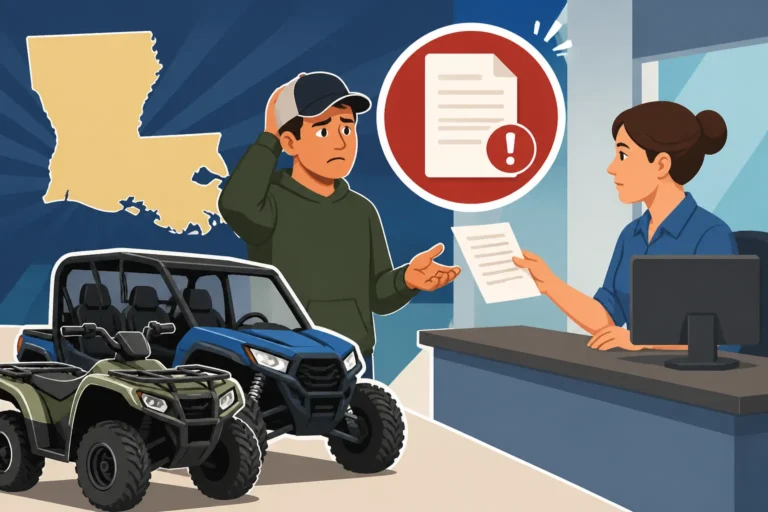
It's one of the most frustrating things to discover: you've got an ATV or UTV you love, maybe a project machine, or one that's been in the family for ages, but the Vehicle Identification Number (VIN) – that critical string of digits that defines your machine – is gone, illegible, or simply missing. This guide will walk you through the often confusing, but necessary, steps to navigate the Louisiana OMV system when your off-road machine has a compromised or absent VIN, helping you restore its identity and get it legally titled.
Why a Missing VIN is a Major Headache in Louisiana
When that critical VIN plate or etching is no longer clear, it feels like your machine has lost its identity. And in Louisiana, when it comes to the OMV, that's exactly what has happened. Without a verifiable VIN, your ATV or UTV becomes a ghost in the system, making legal ownership and operation nearly impossible. This isn't just a bureaucratic hurdle; it's a fundamental issue of identification that can bring all your plans for riding, selling, or even insuring your machine to a screeching halt.
The OMV's Strict Reliance on VINs
The Louisiana Office of Motor Vehicles (OMV) uses the VIN as the primary identifier for any vehicle, including ATVs and UTVs. Think of it as your machine's social security number. This unique, 17-character code provides a wealth of information: the manufacturer, make, model year, assembly plant, and most importantly, a unique serial number that distinguishes it from every other machine ever built. Without a clear VIN, the OMV cannot properly process a title, verify previous ownership, or ensure that sales tax has been paid. It's the cornerstone of proving legitimate ownership and preventing theft.
When you go to title a machine, the OMV clerk will first and foremost be looking for that VIN. It's what connects your application to the actual physical machine. It's how they conduct lien searches and verify that the machine isn't reported stolen. Without it, the entire process grinds to a halt, leaving you with an untitlable piece of equipment, no matter how legitimate your claim to it might feel. This strict reliance underscores just how vital that small plate or etching really is. For more on what the OMV expects, you might find [Louisiana Titles ATVs Through the OMV] helpful.
Common Scenarios Where a VIN Goes Missing or Gets Damaged
It's easy to assume a missing VIN means something shady is afoot, but often, the reality is far less dramatic and much more common. Rust and corrosion are huge culprits, especially here in humid Louisiana. A VIN stamped into a metal frame can simply fade or flake away over years of exposure to mud, water, and our relentless climate. Accidents or severe impacts can damage the frame where the VIN is located, rendering it illegible. For older or heavily used machines, general wear and tear, or even aggressive cleaning methods, can slowly erode the numbers.
Then there are the cases of machines recovered after theft, where the VIN might have been intentionally defaced by a previous perpetrator. Or perhaps you've got a custom-built machine, or one that's been pieced together from various parts, and the original frame's VIN is no longer applicable or simply wasn't transferred correctly. Sometimes, with inherited machines, the previous owner may have removed parts with the VIN for various reasons, or it simply rusted off years ago without anyone noticing. These are all real-world scenarios that Louisiana riders face, and they all lead back to the same problem: no clear VIN means no title.
Steps to Take When Your ATV or UTV VIN is Gone
Finding yourself with a machine whose VIN is illegible or completely missing can feel like hitting a brick wall. But don't despair! There's a defined process to follow in Louisiana, though it requires patience and meticulous documentation. The key is to approach the situation systematically, gathering all possible evidence to present a clear picture to the authorities.
Documenting the Problem Thoroughly
Your first step is to become a detective and a meticulous record-keeper. You need to gather every piece of information and evidence related to your machine. Start with photographs:
- Clear, well-lit photos of the area where the VIN should be. If it's rusted, faded, or damaged, capture that damage clearly from multiple angles.
- Take photos of the entire machine, showing its make, model, and any unique identifying features.
- If you have any other serial numbers – perhaps on the engine, transmission, or other major components – photograph those as well.
- Document the date and time you took these photos.
Next, you'll want to create a detailed affidavit of facts. This is a sworn statement outlining everything you know about the machine, its history, how it came into your possession, and the circumstances surrounding the missing or damaged VIN. Be as specific as possible: when did you acquire it? From whom? What was its condition then? When did you notice the VIN issue? Include any efforts you made to find it or determine its identity. Tools like LawDepot can help you generate a professional-looking affidavit, ensuring it covers all the necessary legal points. This document demonstrates your honesty and diligence to the OMV. This can be critical, especially if you also need help with [Louisiana Title Without a Bill of Sale].
Searching for Alternative Identification Numbers
While the VIN is paramount, other numbers can provide crucial clues. Many ATVs and UTVs have engine serial numbers. These are usually stamped directly onto the engine block. While not a substitute for a frame VIN for titling purposes, they can help confirm the machine's identity, especially if you have an original purchase receipt or Manufacturer's Statement of Origin (MSO) that lists both the VIN and the engine number.
Check other major components for any stamped numbers. Sometimes older machines might have a separate frame number in addition to the primary VIN, or perhaps a component identification number. It's a long shot, but every bit of information helps. If you have the make and model, consider reaching out to the manufacturer directly with any other numbers you've found. They might be able to cross-reference them with their production records, potentially yielding the original VIN if enough other identifiers are present. Always keep copies of any original paperwork, like an MSO for a new machine or a [Louisiana Itemized Dealer Invoices] if you bought it from a dealer.
Initiating a VIN Inspection with Louisiana Law Enforcement
Once you've documented everything you can and exhausted your search for alternative numbers, the next critical step is to involve law enforcement. You'll need to contact your local Louisiana State Police troop or the Sheriff's Office in the parish where the machine is located. Explain that you have an ATV or UTV with a missing or illegible VIN and you need a VIN inspection to pursue titling.
A law enforcement officer will conduct a physical inspection of your machine. Their primary goals are:
- Verify it's not stolen: They will run any partial VINs, engine numbers, or other identifiers through national and state databases to ensure the machine isn't reported as stolen. This is a crucial step for preventing illegal activity and protecting legitimate owners. [Checking Whether a Used Quad Is Reported Stolen] is a good read on this topic.
- Attempt to locate a hidden VIN: Manufacturers often stamp VINs in multiple, less obvious locations on the frame or chassis. The officer will know where to look for these "hidden" VINs that might still be legible even if the primary one is gone.
- Document the condition: The officer will confirm the VIN's absence or illegibility and document their findings, often providing an official report or a completed inspection form. This official documentation from law enforcement is absolutely essential for your OMV application. Be sure to have all your own documentation, including your affidavit (prepared with a service like LawDepot), ready for them to review.
The OMV Process for Assigning a New VIN or Verifying Identity
After you’ve done your groundwork and secured law enforcement documentation, you’re ready to tackle the Louisiana OMV. This stage involves presenting a compelling case for your machine’s identity and requesting the necessary action to get it titled. Remember, the OMV clerks deal with a high volume of standard transactions, so presenting a clear, organized, and thoroughly documented request will significantly help your cause.
Presenting Your Case to the Louisiana OMV
When you walk into the OMV office, you need to be prepared. Gather all your documents into a neat folder:
- The official VIN inspection report from the Louisiana State Police or Sheriff’s Office. This is non-negotiable.
- Your detailed affidavit of facts (the one you prepared, perhaps with help from LawDepot, outlining the machine's history and the VIN issue).
- Any original paperwork you might have, such as an old bill of sale, an MSO (if it was new), or even old registration documents that reference the machine, even if they don't have a clear VIN.
- Photographs you took of the machine and the damaged/missing VIN area.
- Proof of ownership: This could be a [Louisiana Notarized Bills of Sale], if you have it, or other verifiable documentation showing how you acquired the machine.
- Proof of sales tax payment: You'll still need to demonstrate that Louisiana sales tax has been paid on the machine, or be prepared to pay it at the OMV. [Louisiana Requires Proof of Sales Tax First] explains this in more detail.
- Your [Louisiana Photo ID at the Counter].
You'll complete a standard vehicle application form (Form DPSMV 1799, typically). Clearly explain to the OMV clerk that you are seeking to title a machine with a missing or illegible VIN and have followed the law enforcement inspection process. Be polite, patient, and prepared to answer questions. They will review all your submitted documents to determine the appropriate course of action. This might be a good time to review [Louisiana Title Questions OMV Hears] to anticipate some common inquiries.
When a Replacement VIN is Issued
If the OMV is satisfied with the documentation and the law enforcement inspection confirms the machine isn't stolen and has no other identifiable VIN, they may initiate the process for assigning a new VIN. This isn't a simple rubber stamp. The OMV might require another physical inspection by one of their own personnel, or they might coordinate with State Police to have a new VIN plate issued and affixed to your machine.
This newly assigned VIN will typically be a state-issued identification number, rather than a manufacturer's original VIN. It will be unique to your machine and will allow the OMV to create a new title record. Once this replacement VIN is officially affixed and documented, you can then proceed with the standard titling process, just as you would for any other machine. This new VIN then becomes the permanent legal identifier for your ATV or UTV, finally allowing you to obtain a clear and legitimate Louisiana title.
Potential Challenges and How to Overcome Them
Navigating this process isn't always smooth sailing, and you might encounter a few bumps. One common challenge can be dealing with uncooperative previous owners if you're trying to track down old paperwork or confirm details. If they are unwilling or unable to help, you must rely even more heavily on your own affidavit and law enforcement documentation.
Another hurdle can be inconsistencies in paperwork, especially for older machines or those that have changed hands many times. The OMV prioritizes clear, verifiable chains of ownership. If your documentation has gaps, be prepared to explain them thoroughly in your affidavit. Sometimes, the process can simply take time, as the OMV may need to conduct internal reviews or communicate with other agencies. Patience and persistence are key. Always maintain clear, polite communication with the OMV staff and keep copies of everything you submit. If you're feeling overwhelmed, remember that the goal is achievable with diligence. The OMV often needs to see that you've done everything in your power to establish the machine's legitimacy.
Protecting Your VIN (and Title!) Going Forward
Once you've gone through the extensive process of getting a new or verified VIN for your ATV or UTV in Louisiana, the last thing you want is to end up in the same predicament again. Proactive measures can save you a lot of future headaches and protect your investment. A clear, legible VIN is not just a bureaucratic necessity; it's a vital part of your machine's identity and security.
Preventative Measures Against VIN Damage
Think of your VIN as a delicate but essential part of your machine. Regular maintenance extends beyond the engine and tires to include checking your VIN plate or stamping. After a muddy ride, especially in corrosive Louisiana mud and water, give the area where the VIN is located a good cleaning. Use a soft brush and mild soap to remove grime, then rinse thoroughly. A light coat of anti-corrosion spray or even WD-40 can help protect the metal from rust and moisture, especially if your machine is stored outdoors or in a humid environment.
Consider adding a protective clear coating or even a small, transparent sticker over the VIN area to shield it from direct abrasion, impacts, and the elements. Some riders even go as far as to take detailed rubbings or castings of their VIN when they first acquire a machine, creating a physical backup record that can be stored safely away from the machine itself. Doing this can be a simple step to avoid future issues.
Secure Storage and Theft Prevention
Beyond physical damage, the other major threat to your VIN and, by extension, your title, is theft. If your machine is stolen and then recovered with a defaced VIN, you’re back to square one. Therefore, robust theft prevention is paramount. Always store your ATV or UTV in a secure location, preferably a locked garage or shed. If that's not possible, use heavy-duty chains and locks to secure it to an immovable object.
Consider investing in a GPS tracker that can be hidden on the machine. This won't prevent the VIN from being defaced, but it significantly increases the chances of recovery before extensive damage occurs. Perhaps the most critical preventative measure is keeping meticulous records. Take clear photographs of your VIN from multiple angles and store them digitally in the cloud and as physical printouts in a safe place, separate from the machine. Keep copies of your MSO, bill of sale, and title in a fireproof safe. The more evidence you have of your machine's identity and your ownership, the stronger your position will be if the VIN ever becomes compromised again.
In Louisiana, owning an ATV or UTV with a missing or damaged VIN doesn't have to be a permanent roadblock. While the path to a clear title might involve extra steps and paperwork, diligence and patience will get you there. By understanding the OMV's requirements, thoroughly documenting your situation, engaging law enforcement, and following up meticulously, you can ensure your off-road machine has a proper legal identity, allowing you to enjoy the trails and freedom it offers without worry.
| Step | Action | Key Documents Needed | Purpose |
|---|---|---|---|
| 1. Document the Problem | Take clear photos, record details. | Photos of VIN area/machine, detailed notes. | Establish current condition and VIN issue. |
| 2. Prepare an Affidavit of Facts | Write a sworn statement of machine's history & VIN issue. | Notarized Affidavit (e.g., using LawDepot). | Formalize your account of ownership and VIN status. |
| 3. Search for Alt. IDs | Check engine numbers, frame stamps; contact manufacturer. | Engine serial, frame numbers, old receipts/MSO. | Provide additional identification clues. |
| 4. Law Enforcement Inspection | Contact State Police/Sheriff for a VIN inspection. | All documents from steps 1-3. | Verify no theft, attempt hidden VIN discovery, official report. |
| 5. OMV Application | Visit OMV with all documentation. | All documents from steps 1-4, OMV vehicle application, photo ID. | Present case for titling, request new VIN assignment if needed. |
| 6. Receive New VIN/Title | OMV reviews, assigns new VIN if applicable, issues title. | (OMV internal process, then new Title document). | Legal identification and ownership of your machine. |
Disclaimer
This article is for general informational purposes only and does not constitute professional advice. Laws, prices and regulations vary by location and change over time. Consult a qualified professional for guidance on your specific situation.